AIIB: a ‘moonshot’ mission to net zero
The Asian Infrastructure Investment Bank’s chief economist and lead economist reflect on a once-in-a-generation opportunity for emerging economies to achieve a smooth and fair transition.
The net-zero transition presents a particular challenge for emerging economies due to their low state capacity. Unless urgent action is taken to help these countries raise finance, boost growth and develop technology, they could be left behind.
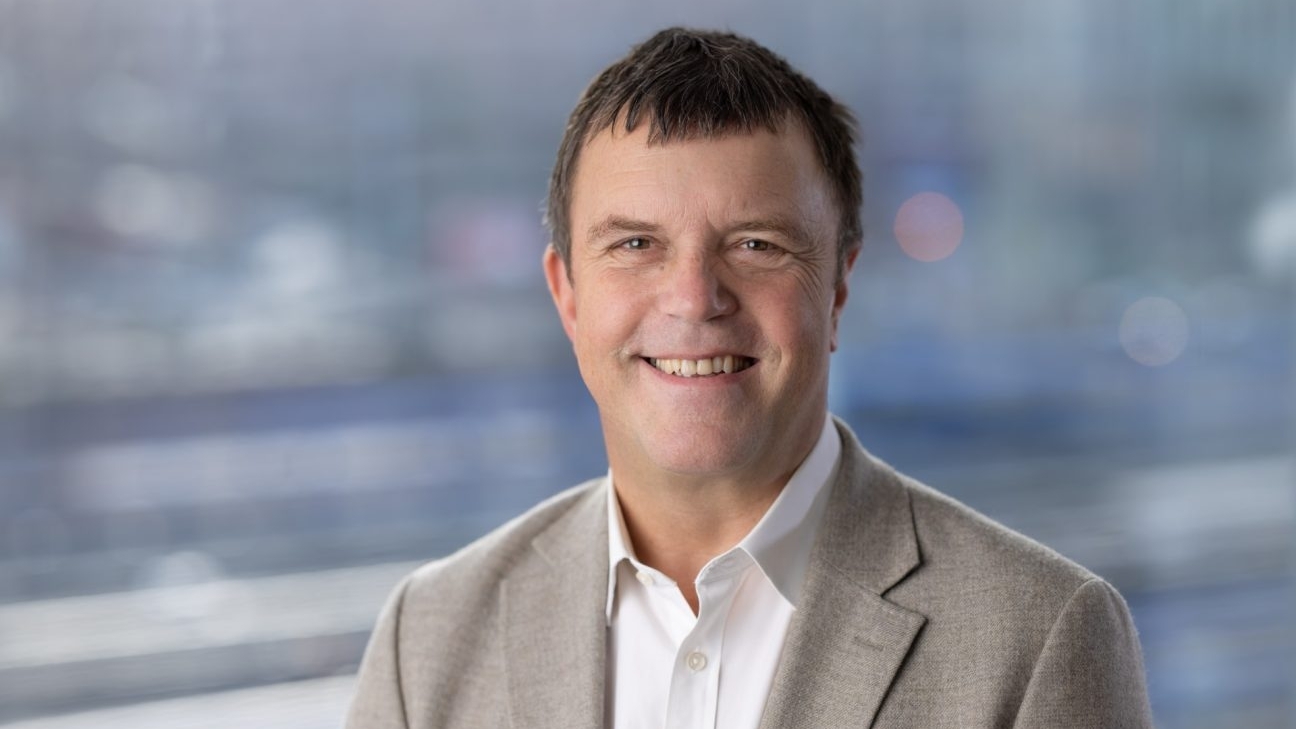
So say Erik Berglof, chief economist, and Jang Ping Thia, lead economist, at the Asian Infrastructure Investment Bank (AIIB). Their proposed solution is a “moonshot” – an ambitious project that will build on existing state capacity in emerging economies, enforce regulations and transform institutions, such as state-owned enterprises (SOEs) and state-owned financial institutions (SOFIs), to accelerate green innovation.
The approach is outlined in the AIIB’s Asian Infrastructure Finance 2022 report, which characterises the net-zero transition as a once-in-a-generation inspirational project requiring an industrial policy across economies to facilitate a smooth and fair transition.
Berglof tells Net Zero Investor: “What we are proposing [in the report] is what we call the ‘moonshot’, a mission-oriented industrial policy or a comprehensive approach that really focuses on strengthening state capacity, which is necessary for the transition everywhere.
“State capacity is arguably going to be the greatest challenge, particularly in emerging and developing countries where it's in short supply.”
State capacity is the government’s ability to accomplish its intended policy goals. Hence emerging economies currently lack the finance, technology and infrastructure to enable a net-zero transition.
What we are proposing is the ‘moonshot’, a mission-oriented industrial policy or a comprehensive approach that focuses on strengthening state capacity, which is necessary for the transition everywhere.
Climate-vulnerable economies
Berglof says that the “fundamental dilemma” outlined in the report is that climate-vulnerable economies suffer from low state capacities, which prevents them from transitioning to net zero.
He points out that Public Private Partnerships (PPPs) play a vital role in bringing the skills and dynamism of the private sector to reinforce state capacity in emerging economies. However, it is critical that the “state sets the right conditions” for the private sector, which will enable it to invest in green infrastructure.
Thia, the AIIB’s lead economist and manager, emphasises that foreign direct investment (FDI) in green technology and infrastructure can be a way of supplementing state capacity.
“Cross border FDI into weaker economies allows technology transfers, not just money, to the emerging economies so that they can upgrade their infrastructure and sectors to become part of a just transition,” he says.
The state has to set the vision, organise the value chain and motivate all the players to act. The state itself must change by example, that's important.
Reform of SOEs
Berglof explains that SOEs in Asia are heavily invested in fossil fuels including oil and gas. However, it is “absolutely critical” that they progress from “laggards to leaders” and become vital investors in renewables to enable the net-zero transition in emerging countries.
He highlights that India’s private sector has been particularly successful in driving renewable development, but its state-owned sector is heavily invested in fossil fuels.
“This is completely artificial because now you're going to have all the political forces behind the state-owned sector fighting renewables, instead of giving them incentives and getting them to start investing in renewable energy,” Berglof adds.
The AIIB’s chief economist says that the state must incentivise SOEs to invest in renewables and align them to the private sector through increasing regulation, such as carbon pricing.
“The most important single mechanism is the carbon price. Having a meaningful carbon price is going to send signals throughout the economy about getting rid of the fossil fuel subsidies, but also providing strong incentives for innovation and pushing renewables,” Berglof says.
Thia adds that for the state to mobilise the private sector to invest further in renewables, it needs to lead by example and outline “a credible vision and plan”.
He says: “The state has to set the vision, organise the value chain and motivate all the players to act. The state itself must change by example, that's important. That's why the SOEs and state-owned banks have to change.”
The most important single mechanism is the carbon price. Having a meaningful carbon price is going to send signals throughout the economy about getting rid of the fossil fuel subsidies.
MDBs make a difference
Berglof also suggests that multilateral development banks (MDBs), such as the AIIB, can help to reduce the carbon footprint of SOEs and encourage their investment in renewables. In addition, MDBs can help balance PPPs and other forms of contracting between the state and the private sector.
“MDBs can bring together state-owned enterprises and the private sector. We work with both the private sector and state-owned companies and make sure they create similar rules when it comes to environment, social and governance issues,” he says.
“That's another way in which you can create a level playing field for state-owned and private sector institutions.”