Banking on bankers: is investor pressure on fossil fuel lenders falling short?
Despite consistent investor demand, most banks are yet to refine their transition strategies
“At a time when the hard-won consensus on climate is being challenged, climate and nature remain key to our strategy”, reaffirmed Amanda Mackenzie - Lloyds Bank’s responsible business committee chair – at the group’s AGM a few days ago.
Also attending the meeting in Edinburgh was the Church of England Pensions Board. The asset owner with £3.4bn of funds under management called for a full exit from fossil fuel financing, whilst acknowledging the bank’s on-going progress.
Amidst a fiery proxy season, it is not uncommon for bankers to draw some of the heat. Particularly, when it comes to their fossil fuel financing.
For a few years now, investors have questioned the world’s largest banks over the structure of their financing. This year, the pressure is back but so too, is the banker’s resistance.
Financing the future
At the core of investor discontent with banks is the notion that a banker’s decision today affects the energy system down the road.
“Banks, and bankers, have an incredibly important role in catalysing the transition to net zero through supporting the financing of the industries they want future generations to inherit”, said Sara Taaffe - responsible investment analyst for the environment at the Church of England Pensions Board.
Taaffe’s remarks in Edinburgh came amidst resurgent investor pressure on banks to reduce fossil fuel financing and tilt their loan books to renewables. While some banks have set relevant targets, investors are now demanding an implementation plan.
21 investors read a statement to that effect at the Standard Chartered AGM earlier this month. Signatories included including Danish asset owner Akademiker Pension, Australia’s Australian Ethical and the UK’s Border to Coast Pensions Partnership and Greater Manchester Pension Fund. Investors also made their voices heard at the Barclays AGM on May 7.
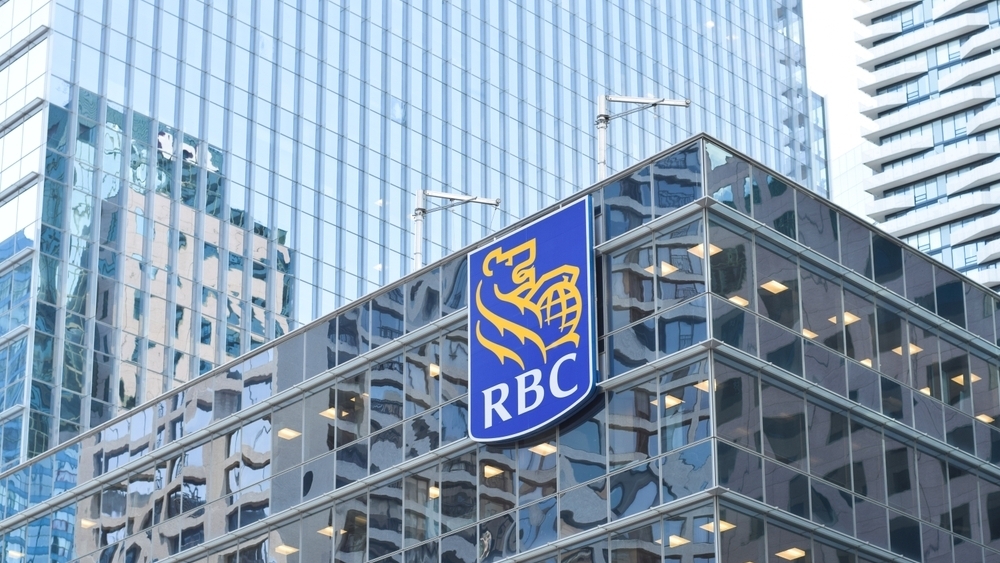
At Royal Bank of Canada’s AGM in April, a proposal asking for a ‘say on climate’ vote surfaced again – for a fourth consecutive year. It received 16% shareholder backing, a marginal gain from 15% the year prior.
The evidence supports investor concern. Reports such as the 2024 Banking on Climate Chaos report, which Taaffe cited in her remarks, provide crucial evidence that investors base their thinking on.
The data shows that since the Paris Agreement was signed, 60 banks provided over $6tn to the fossil fuel sector. A third of that came from American banks, 15% from Chinese and another 13% was provided by Canadian lenders.
Meanwhile, Royal Bank of Canada, despite shareholder concerns, has walked away from its earlier targets. In its 2024 sustainability report, the bank ‘retired’ its sustainable finance commitment to fund his comes C$500bn in sustainable projects by 2025, citing growing regulatory pressures.
Banker’s resistance
Arguably, the investor pressure on banks is yet to show proportionate results. So, what gives?
For one, climate-related shareholder resolutions are facing staunch opposition both inside the boardroom and outside it. RBC’s ‘Say on Climate’ vote was opposed by over 80% of shareholders. Elsewhere Bank of America has filed two no action requests with the SEC this year against climate-related proposals.
One asked the bank to disclose details of its ‘net zero activities’ including memberships in climate coalitions. The SEC agreed with the bank, that such disclosures had already been made. The resolution did not make it to the AGM.
NZI Annual Conference | 21.10.2025 | London Stock Exchange | Register here
Another, filed by the New York City Retirement Systems, called on the bank to disclose its energy supply ratio. This time, the SEC disagreed with the bank. The board however recommended a vote against it. On the grounds that it would unjustifiably ‘divert management attention’ from other climate strategy efforts.
Loopholes in existing climate commitments from banks are also noteworthy. European banks were amongst the world’s first to adopt coal phase out policies. Yet, when Reclaim Finance examined Glencore’s financing mechanisms – they found nine European banks in the mix.
HSBC, Standard Chartered and Barclays all have coal policies in place but general financing – the kind Glencore used in its bond issuances – is not covered. For Commerzbank and Santander, coal exclusions only apply to new customers - leaving existing clients within permissible lending range.
“European banks don’t seem to be able to break away from their toxic love affair with coal. Despite their public claims and climate commitments, their policies on ending coal finance are riddled with loopholes”, warns Cynthia Rocamora, industry campaigner at Reclaim Finance.
Collective action mechanisms are weakening too. Several North American banks have departed the Net Zero Banking Alliance – which recently voted to abandon its 1.5°C target for its members.
This proxy season, just like the last, investors have taken the climate fight to the bankers. Their efforts, however, have hurdles to overcome. From regulatory headwinds and NZBA exits to dwindling shareholder support for climate resolutions, these risk upending years of investor pressure.
Unless of course, investors have more tricks up their sleeve – to escalate their stewardship and fight back.