China’s clean energy surge puts investors on notice
China’s unprecedented expansion of renewable capacity and its first interim climate targets are reshaping global energy markets, creating new opportunities but also risks for institutional investors.
The country, which accounts for nearly a third of current global emissions, reached a critical milestone earlier this year. Having driven 90% of global emissions growth since 2015, China reported its first sustained dip in carbon output. Unlike previous temporary drops during the Covid pandemic, which stemmed from economic shutdowns, the current stabilisation has occurred alongside rising power demand — thanks to a rapid expansion of renewable capacity.
Last year, clean power met 84% of new global electricity demand. In the first half of 2025, renewables exceeded demand growth, prompting a 2% fall in fossil fuel generation, according to the China Energy Transformation Review published by thinktank Ember in September. This shift is the result of massive investment: in 2024 alone, China committed $625bn to clean energy, making it the single largest investor in the transition and responsible for nearly a third of all global funding.
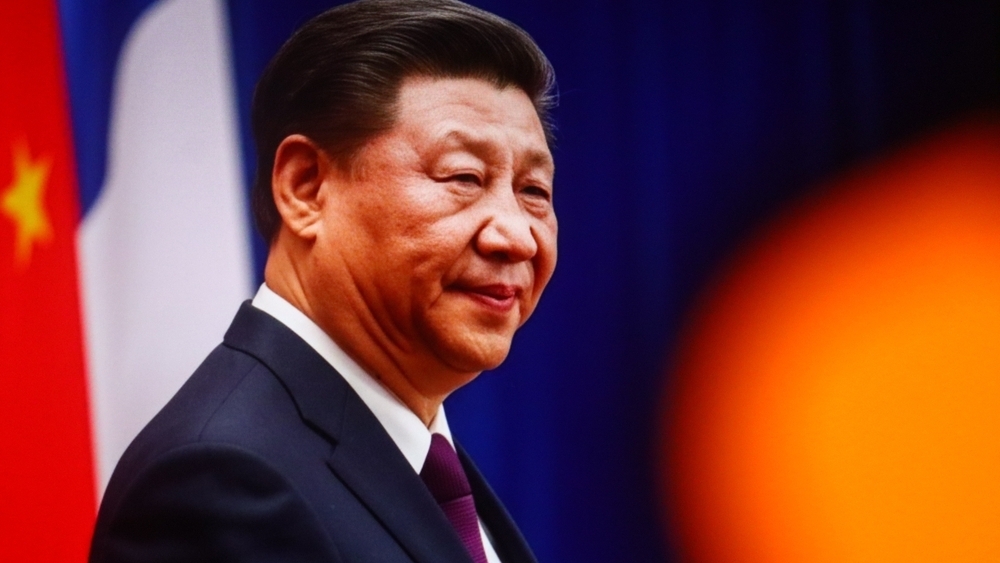
It is this momentum that appears to have emboldened Beijing. Speaking to the UN General Assembly last week, President Xi Jinping announced that China would aim to cut its carbon footprint by 7–10% over the next decade as part of its updated Nationally Determined Contributions.
Environmental activists have criticised the target as too slow and cautious, but its implementation could have far-reaching implications for investors worldwide. “China’s energy sector is undergoing a profound transformation, pushing the country towards a plateau in fossil fuel use. One of the key drivers is the rise of its clean energy industry. Clean power is increasingly accessible, affordable, and attractive for investment. This momentum is creating new economic opportunities,” said Biqing Yang, energy analyst at Ember.
The thinktank warns that China’s surge in renewable capacity is likely to accelerate a sharp fall in global fossil fuel demand from 2030 onwards, leaving investors in oil, gas and coal companies facing heightened risks of stranded assets.
Investment opportunities
While the Chinese state dominates clean energy investment, international institutions are starting to follow. Schroders Capital Infrastructure confirmed the first close of its China Renewable Energy Strategy earlier this year with a €100m anchor investment from Apple.
In listed markets, BlackRock offers a BGF China Fund investing at least 70% of its assets in Chinese equities. Other managers, including DWS and BNP Paribas Asset Management, have sharpened their focus on transition assets. BNP Paribas has developed a Transition Model to track the progress of power and mining firms. “We believe it is time to reassess the performance of leading companies in ‘hard-to-abate’ industries as they proactively transition from ‘asset phase-outs’ to climate solutions,” said Janet Li, ESG analyst at BNP Paribas Asset Management.
Chinese investors are also increasingly active: 73% of domestic institutions now recognise the financial materiality of climate change, according to research by AIGCC covered on Net Zero Investor last month.
New pitfalls
China’s scale-up also brings challenges. Solar module prices have fallen by more than 70% in three years, forcing some Western manufacturers, including First Solar, Meyer Burger and REC Solar, to shut plants. China now produces 80% of the world’s solar modules and 60% of wind turbines, according to Ember.
Institutional investors acknowledge the difficulty of competing with China’s dominance in solar and wind manufacturing, and many are shifting their focus. Funding has moved away from generation capacity towards grid modernisation, EV charging infrastructure, and clean heating and efficiency retrofits. According to the IEA’s World Energy Investment 2024 report, two-thirds of the $3trn annual flow into the energy transition is now directed at technology and infrastructure, with grid investment rising strongly.
In a fast-evolving market shaped by China’s energy strategy, adaptability may prove the most valuable asset of all.
China's institutional investors are embracing the country's climate opportunities