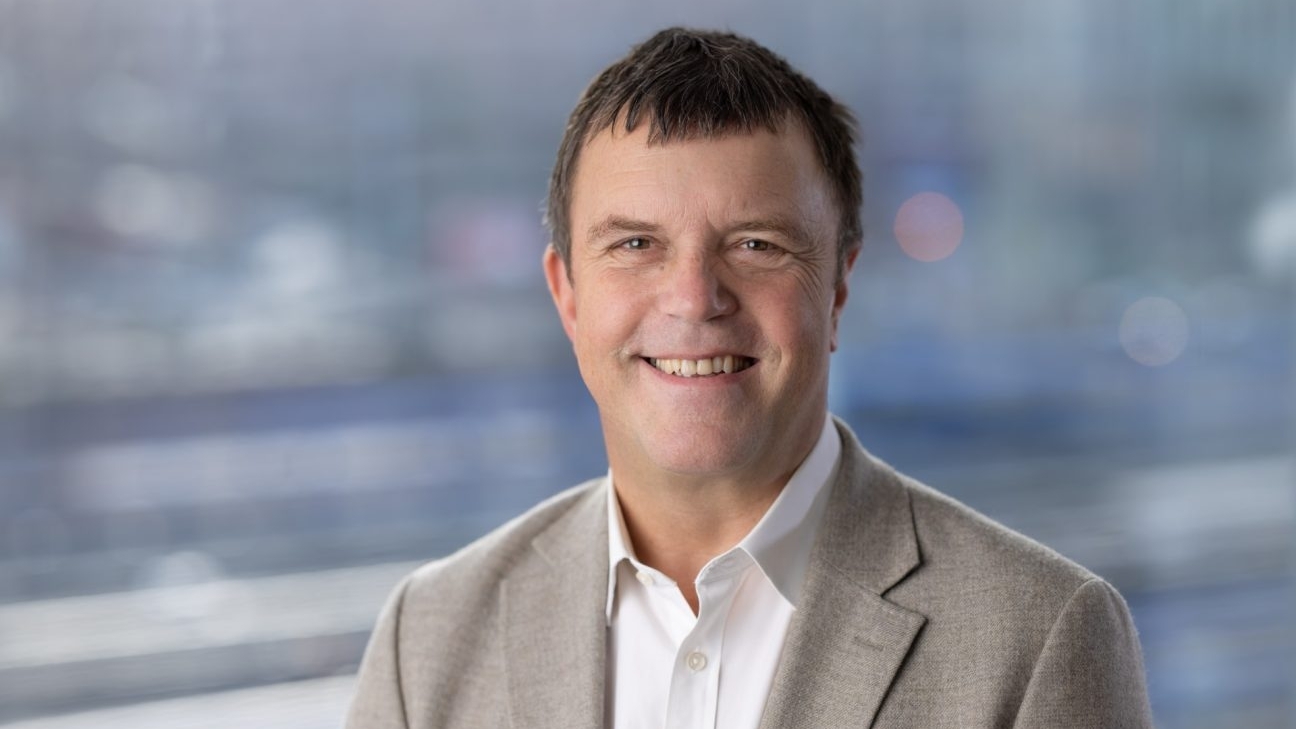
‘It takes patience’: EIFO’s Sara Sande on investing in early-stage climate tech
The Danish Export and Investment Fund is looking to become an early backer for climate tech companies
The Export and Investment Fund of Denmark (EIFO) has an equity portfolio that extends into territory most institutional investors are cautious about: early-stage climate tech. EIFO’s recent investment into Greenland-based Rock Flour Company’s €6.1m seed round epitomises that mandate in action.
Institutional investors often have reservations regarding such opportunities. Small ticket sizes, complex risks that exceed their appetite and uncertainty over returns, to name a few. Despite that, the prospect of patient capital tapping into early-stage companies is attracting attention from investors and regulators alike.
EIFO’s head of green transition, Sara Sande, told Net Zero Investor more about the fund’s approach to early-stage equity investments in climate tech and the investment thesis that underpins it all.
The mandate
EIFO’s history traces back to a merger of three-state backed funds in 2023. Among the three were a growth fund (Vaekstfonden) and the Danish Green Investment Fund. EIFO’s equity investment portfolio combines the ethos of the two.
“We have a long history with equity investments. Previously, it was solely in Danish companies. Now we have expanded the mandate to include international companies – with a strong Danish angle”, said Sande.
The mandate now rests on three verticals (life sciences, defence technology and the green transition). It is open to early-stage opportunities across the three but doesn’t stop there. EIFO’s equity portfolio, Sande points out, is stage agnostic.
EIFO implements the mandate through both funds and direct holdings. “We invest both directly and indirectly. We do invest in climate funds, but a significant portion of our investments in Danish companies are direct”, she notes.
The thesis
EIFO’s climate tech investment thesis splits the opportunity puzzle into three pieces.
“On one hand, there are the capital-intensive, hardware-based solutions; then there are the pure software plays; and finally, the hybrid models that combine elements of both”, says Sande.
For each category, EIFO’s investment thesis differs but Sande says a common denominator persists – the increasing number of companies moving along the growth curve.
“I also think there’s been a maturing of companies going from R&D to bankability”, she commented.
For these companies, the drivers of growth are wide-ranging. Some, that others might categorise as headwinds, Sande puts in the tailwinds bucket.
“In my mind, I operate with what I call the new ESG. Energy, Security and Geopolitics. These, I think are very powerful drivers that incentivize the green transition”, she affirms.
Patient returns
As companies climb up the financing ladder, Sande identifies a gap in the market.
“In the climate space, we see a gap when it comes to raising large rounds for companies. Even in the series A rounds, which for climate-tech companies tend to be large rounds”, she says.
Grabbing a seat at the early-stage table, for most financiers, is a deliberate choice of timing. Getting in early allows for returns to accrue over the long term.
EIFO’s return expectations, that cover both financial and non-financial factors, embrace the logic of the popular adage, good things come to those who wait.
“Do I believe you can make money on climate solutions investments? Absolutely. Does it take time? Yes, you need to be patient”, Sande affirms.
Risk management
That being said, institutional investor optimism around early-stage climate tech is cautious for good reason.
For asset owners, the story of Northvolt, a Swedish battery maker that filed for bankruptcy earlier this year, looms large. Early backers of Northvolt included four of Sweden’s AP funds, Danish pension fund ATP and Canadian pension fund OMERS.
Northvolt’s tale serves as a reminder of the risks of investing in early-stage companies. Among these, Sande points out, are regulatory risks, technology risks and even market risk given that these companies operate in relatively niche or nascent market segments.
“Yes, companies will fail. Yes, there is a lot of money put into these investments, but there's also tons of learnings. And that is what it requires to build the ecosystem”, Sande said.
One way forward, she notes, is indirect investment.
“Pension funds could instead participate on the fund side and invest indirectly. In that way they can spread their exposure across a portfolio, balancing risk while gaining access to a critical mass of companies from the outset”, she explains.
Cautious as it is, Sande’s optimism around early-stage climate tech is palpable. Set against the backdrop of EIFO’s allocations to companies such as RFC, her optimism speaks to an increasingly recurrent claim - early-stage climate technology companies need patient capital, and vice versa.