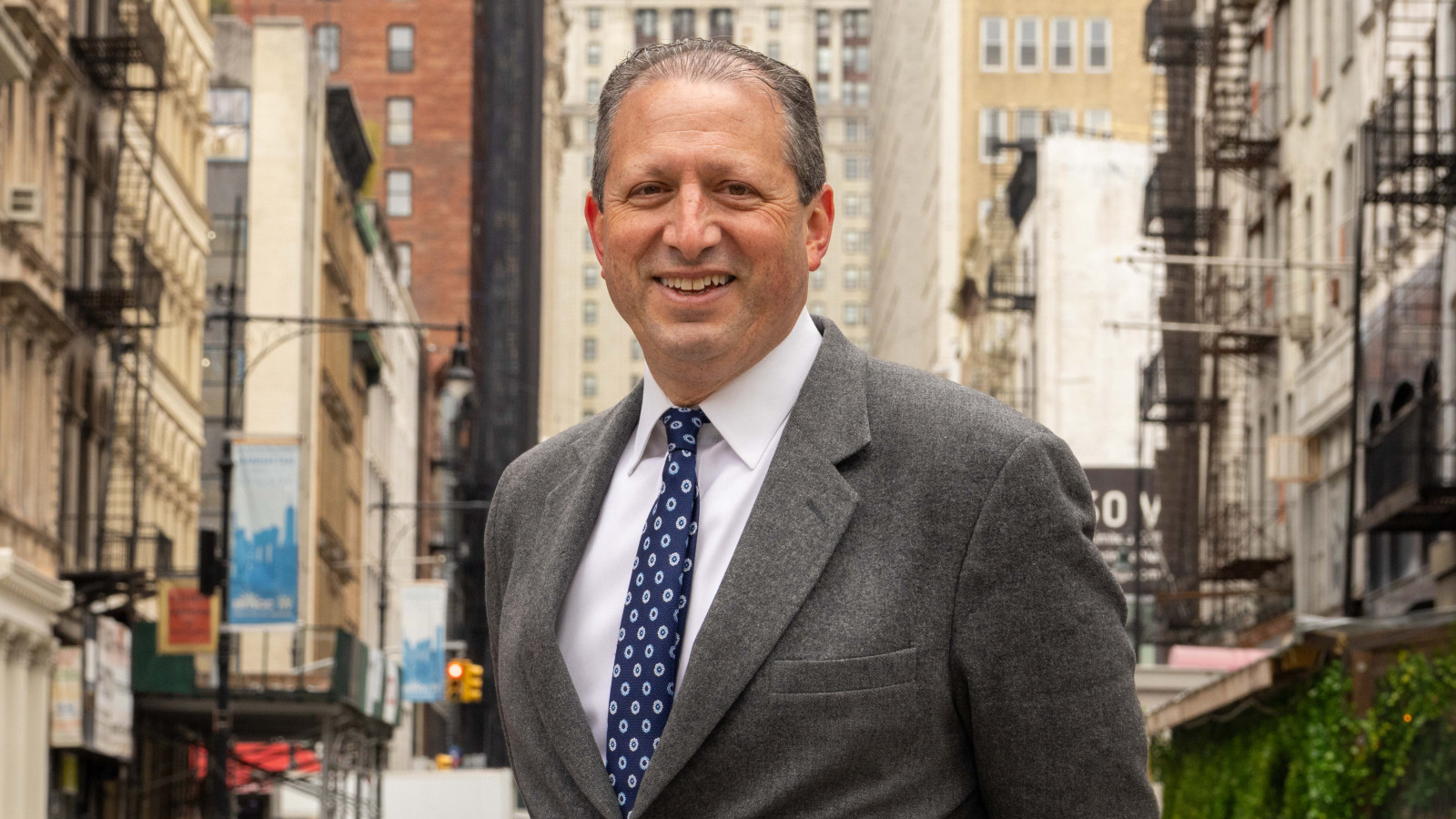
NYC Comptroller Lander: “Trump administration said responsible investment is bad for business, our investment professionals have proved otherwise”
The New York City retirement systems have announced an aggregate return of 10.3% surpassing a 7% target
New York City’s five public pension funds are some of the country’s largest asset owners. Collectively, the city’s Teachers’ Retirement System (TRS), Employees’ Retirement Systems (NYCERS), Police Pension Fund, Fire Pension Fund and the Board of Education Retirement System (BERS) manage a pool of capital now valued at $294.6bn.
On August 6, the NYC Comptroller Brad Lander and the trustees of the five retirement systems announced an aggregate investment return of 10.3%, net of fees, for the fiscal year ending 30 June 2025. The three-year return was 9.4%, the return across five years was 8.5% and across 10 years the funds achieved a return of 7.7%.
In all cases, returns exceeded the actuarial target of 7%.
Responsible investing
A responsible investment strategy that prioritises long-term returns, the Comptroller says, has contributed to strong results.
“Our strong investment returns for the third consecutive fiscal year are a testament that our disciplined and prudent long-term approach that integrates responsible investing as a strategy to assess and mitigate portfolio risk is working to deliver wins for retirees and New York City”, said Lander.
In a social media post celebrating the results, Lander claimed the results offer timely evidence in favour of responsible investment.
“The Trump administration has said that responsible investment is bad for business, but our investment professionals have proved otherwise”, he commented.
Climate solutions
The NYC pension funds have previously stated that recognising and addressing the materiality of climate risk is part of their fiduciary duty. In 2021, three of the five funds (NYCERS, TRS and BERS) set a net zero target of 2040.
The funds have also increasingly tilted their portfolios towards climate solutions. By 2035, all five pension funds are set to increase climate solutions allocations to $50bn.
This would include opportunities in renewable energy, energy efficiency and low-carbon buildings among others. According to the Comptroller’s disclosures, this figure currently stands at $14.4bn.
Asset allocation
The largest exposure of the funds’ investment portfolio is in public equities (43.4%) followed by public fixed income (31.5%) and private market alternatives (25.2%). Returns from this portfolio have exceeded targets despite significant headwinds.
“The rapidly shifting monetary policy and continued uncertainty throughout the market underscores the importance of a steady and long-term investment approach rooted in thoughtful diversification”, says Steven Meier, chief investment officer of the NYC retirement systems.
“In the coming months we remain aware of the existing challenges and are focused on thoughtful portfolio construction and disciplined manager selection and recommendations to continue maximizing portfolio value and delivering strong returns for our members and beneficiaries”, he adds.
The results show that despite the backlash, there is a strong case to be made for, fiduciary duty and responsible investment, based on returns. The statement from the NYC Comptroller office emphasises this.
“Despite meritless attacks on responsible investing, the Comptroller’s office will continue to move strongly forward with its responsible investing approach”, the statement reads.