Stafford targets 25% transition allocation in flagship infrastructure fund
The $1.1bn infrastructure secondaries strategy is Stafford’s largest infrastructure vehicle so far
Stafford Capital Partners has announced the close of its Infrastructure Secondaries Fund V (SISF V). The fund and its associated vehicles have raised a total of $1.1bn. This brings Stafford’s infrastructure AUM to $2.7bn, compared to a total AUM of $8.8bn under management and advice.
SISF V builds on Stafford’s experience of investing in infrastructure secondary markets since 2012. It is the asset manager’s largest infrastructure vehicle till date. The fund’s ability to attract new institutional investors and retain old clients, Stafford interprets as growing investor interest in the offering.
“As long-standing players in the infrastructure secondaries market, we believe there is significant Investment opportunity to leverage as the market continues to mature for both LPs and GPs”, commented Stafford Capital Partners chief executive Angus Whiteley.
The fund targets infrastructure assets through off-market transactions. So far, 35% of the fund’s capital has been committed across 115 underlying assets spread over 13 positions. Stafford expects to deploy another 15% in Q1 2026.
William Greene, Stafford’s managing partner for infrastructure says LP and GP-led secondaries saw a record high in 2025, exceeding 50% volume growth year-on-year.
“We are excited for this next phase of growth, and the opportunities it presents to our clients, as we continue to focus on our disciplined approach to portfolio construction and long-term value preservation through our tightened sustainability targets”, says Greene.
Transition assets
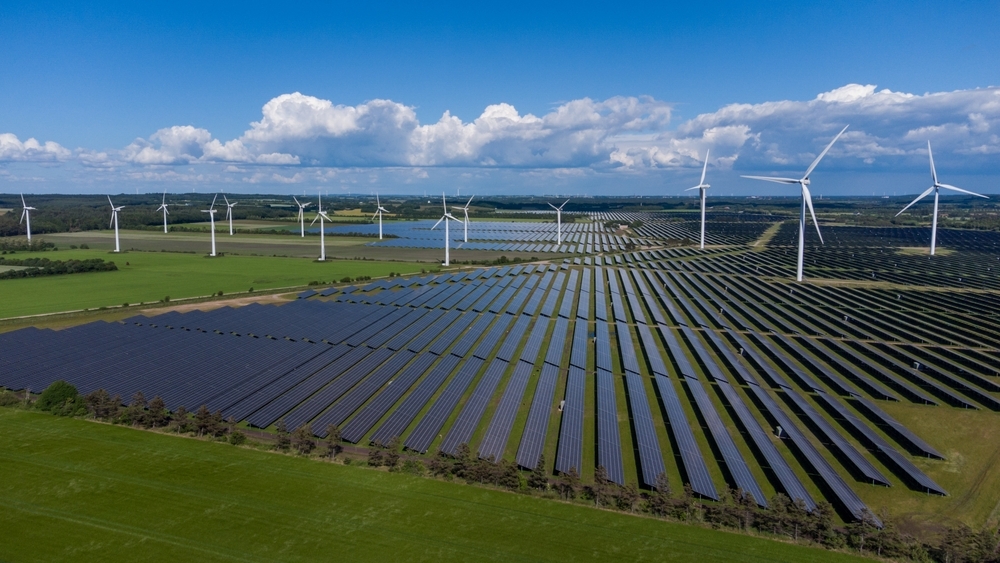
The underlying portfolio includes a range of infrastructure sectors from digital and transport infrastructure to social and transition infrastructure. A Stafford spokesperson told Net Zero Investor that the fund has a specific target for renewables and transition infrastructure, currently set at 25%.
“Energy transition today represents a key opportunity set within infrastructure investing. SISF V has a specific allocation target to renewables and energy transition assets of at least 25% of total commitments”, the spokesperson confirmed.
Of the 35% fund capital already deployed, 16% has been invested in transition assets across Europe and in the US. Commenting on the current and expected exposure to transition assets within the fund, the spokesperson said:
“The relevant investments [current exposure] foremost comprise high-quality renewable energy and energy efficiency assets in Europe and in the US. Based on a strong current pipeline, we expect to meet the 25% renewables and energy transition target at full deployment”.
According to the company’s disclosures, SISF V was classified as a SFDR Article 8 fund and compared to its predecessors, has a ‘specific and more ambitious’ climate investment target.