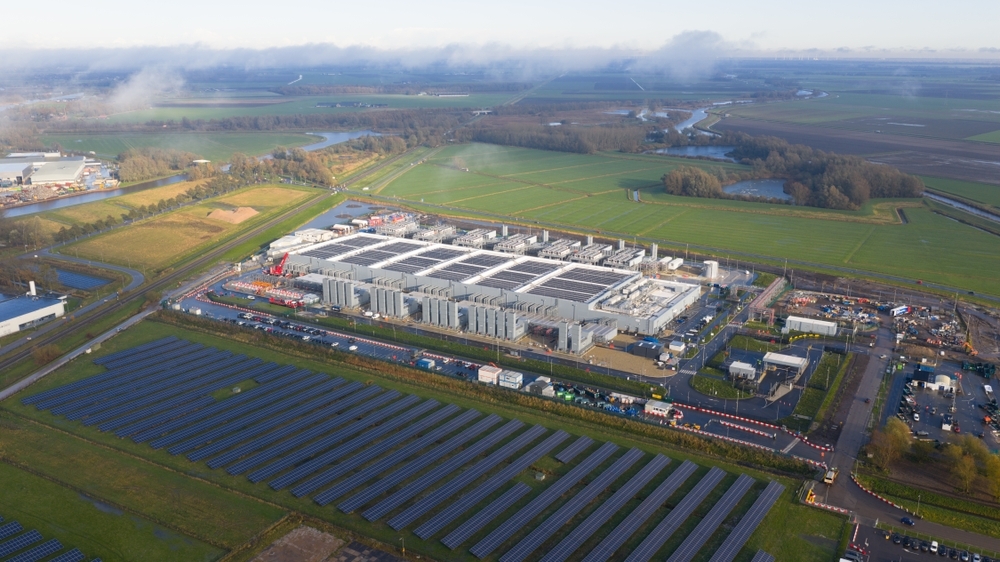
AI: the elephant in the room at PRI
Investment implications of AI’s energy demand are shaping conversations at PRI 2026
The Principles for Responsible Investment (PRI) convened its annual gathering in Amsterdam this week. Reflecting on conversations on the ground, attendees pointed to artificial intelligence (AI) having emerged as the elephant in the room.
PRI, an investor coalition, is backed by 5,000 signatories with a collective $135tn under management. Over 1,500 participants from 57 countries were reportedly in attendance this year.
NZI Transition and Climate Investment Conference | 22 October | London | Register here
Resource demand
For those on the ground, conversations about the sustainable investment implications of AI were frequent and ubiquitous.
“AI has come up in almost every conversation at PRI this year, and the tone has shifted from excitement to urgency”, said Ángel Agudo, chief product officer at Clarity AI.
Conversations raised some concerns over the sustainability implications of AI and the data centre buildout. Thibaud Clisson, head of climate at BNP Paribas Asset Management (BNPP AM), reckoned the effects were localised and concerns needed context.
“At present, the proportion of electricity dedicated to AI data centers is modest”, he said, citing IEA data.
“The challenges associated with AI tend to be localised, particularly in regions facing significant grid constraints, which is less the case in Europe. We do not see a marked rise in electricity demand in Europe due to AI data centers at this stage. This could potentially change in the future, but it does not currently represent a major issue for us”, he explained.
Water, another key resource data centers rely on, was higher on BNPP AM’s radar. “We’re worried in the short run about the water issue. If you look at where those data centres are built right now, most of them are in highly stressed areas”, he told Net Zero Investor.
Seb Beloe, managing director for sustainability at Foresight Group, concurred. Looking back on conversations in Amsterdam, he said: “On AI, there’s obviously the impact on energy demand, water and other resources, and the issue of community acceptance”.
When pressed on whether AI energy demand was a headwind or a tailwind for the energy transition, Beloe noted energy efficiency of computing power would improve over time. Clisson too expected AI to contribute to system efficiency, but said the extent remained to be seen. All in all, both said the jury was still out and it was too early to tell.
Investor use
Energy and water demand aside, AI’s integration into investment decision-making also featured in conversations. “We use AI more and more in our own processes”, said Beloe.
Foresight is not alone. Nest, the UK’s largest workplace pensions investor, and Sweden’s fund selection agency FTN have both partnered with Clarity AI for AI-driven sustainability analysis.
“AI is changing the tools sustainable investors work with”, said Clarity AI’s Agudo. He offered examples ranging from AI-driven analysis of reports and disclosures to more sophisticated use-cases such as satellite imagery and biodiversity monitoring.
“Together, these help investors build a fuller picture, monitor companies more closely and ask sharper questions about the gap between what they say and what they do”, he explained.
Agudo, an engineer-turned-economist, warned the challenge lay in developing trust in AI’s conclusions. His message to investors was to analyse AI signals alongside credible evidence. “As these tools become available to everyone, the difference won’t come from having AI, but from being able to trust what it tells you”, he added.