UK budget overhauls clean power procurement in favour of cheaper renewables
The UK is to overhaul the way it procures clean energy projects, in changes that could benefit onshore wind while creating new hurdles for more expensive technologies such as offshore wind and tidal power
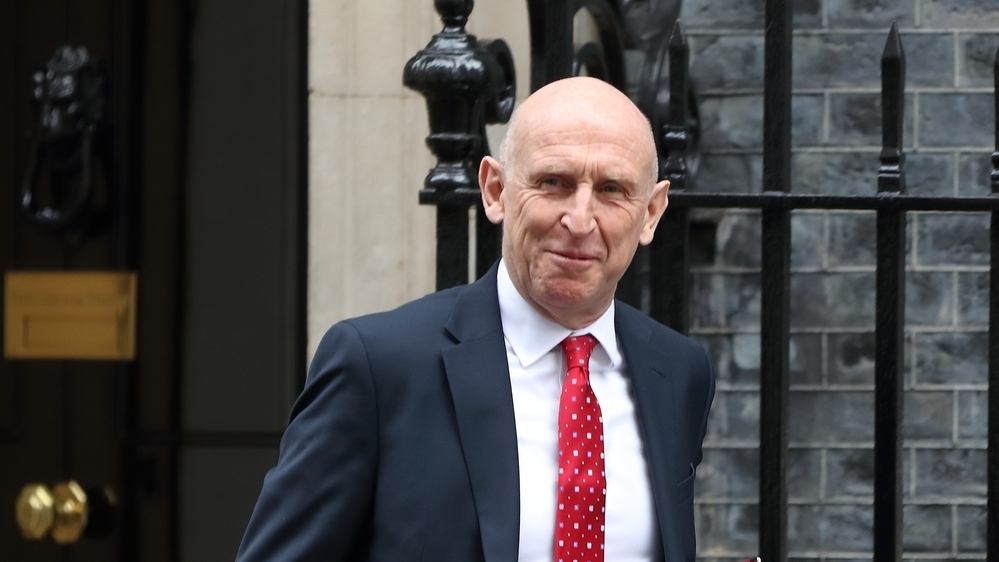
Cheaper energy bills are a priority for the government, and the chancellor, John Healey, used his first budget to restate its commitment to the energy transition. He said the government remained “unshakeably committed to net zero by 2050”, adding that this “will require deep reform of the energy system”.
Private Markets and Portfolio Construction | 5 November 2026 | Central Court, London
Cost and grid tests
Healey announced a new cost control framework under which the government will only buy and build new generation projects that can connect to the grid and lower bills.
The announcement comes after the application window for the latest renewables auction, Allocation Round 8 (AR8), closed in August. The new rules are unlikely to affect projects already in that round, but they could shape the budget for each pot, which is due to be published next month.
The grid connection requirement is not new. The cost test, however, could favour cheaper sources of renewable electricity such as onshore wind over relatively expensive ones such as offshore wind and tidal power.
Direct government backing
The framework also shifts the funding of some energy policy costs away from household levies and towards direct government spending. Hydrogen projects, for example, will be backed directly by the government rather than funded through levies on gas shippers.
Tancrède Fulop, a senior equity analyst at Morningstar, said the funding shift was unlikely to make a significant difference to the economics of renewable projects.
Healey also confirmed plans to move older renewable projects on to fixed-price contracts, to weaken the link between gas and electricity prices. Fulop said: “This reinforces a policy direction first put forward by former chancellor Rachel Reeves. For companies with the greatest exposure, including SSE, RWE and Ørsted, the financial impact will depend on the fixed prices ultimately agreed under those contracts.”
Public finance boost
The budget also included an extra £20.4bn for the National Wealth Fund and the British Business Bank, which could support further investment in the transition. The National Wealth Fund will receive £15.4bn and the British Business Bank £5bn over about five years.
Nick Bryer, the director of programmes and campaigns at the Finance Innovation Lab, welcomed the move but said: “Even with the increases announced today, though, these institutions will remain small compared with their international peers. The government should build on today’s announcement by turning the National Wealth Fund into a proper national development bank, giving it the capacity and tools needed to mobilise investment at scale, with a continued focus on the clean energy transition and regional growth.”