OMERS, a DB fund investing on behalf of Ontario municipal employees, has pledged to grow its green investments and to half the carbon footprint of its portfolio by 2030.
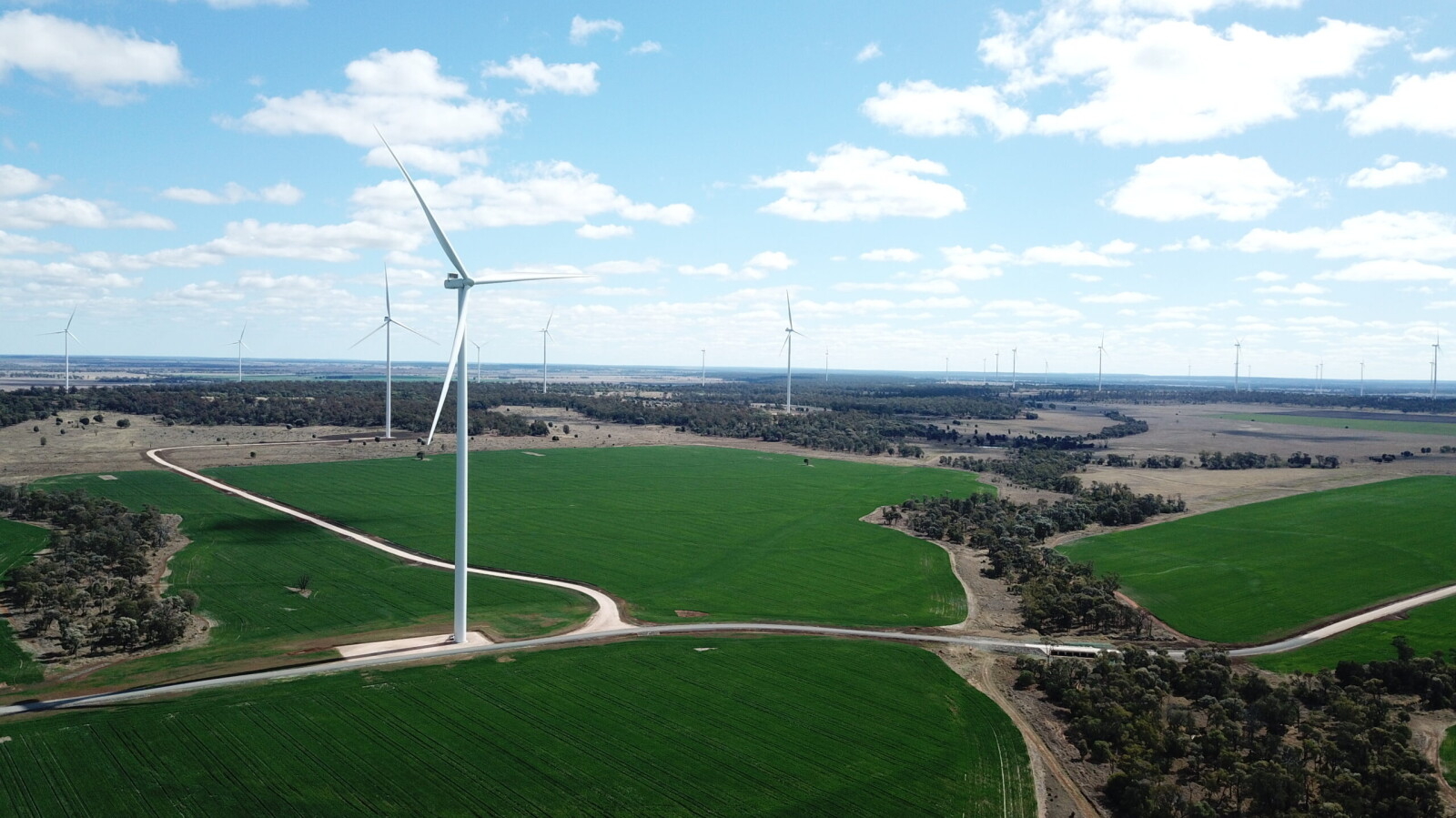
The C$127.4 billion fund has already has C$19 billion invested in assets which it has labelled as “green investments”, it now wants to increase the allocation to C$30 billion by the end of the decade, the fund announced in its latest climate action plan.
It has also earmarked C$3 billion specifically towards investing in high-carbon assets in need in need of funding for targeted decarbonization.
Examples are investments in energy firms such as Ontario-based Bruce Power and Nextbridge, but also a carbon capture project, Blue Sky, which aims to build air and seawater carbon capture.
OMERS is also invested in Northvolt and Group 14, who specialise in battery innovation as well as Dutch and Belgian renewable energy firms Kenter and Groendus.
The fund has singled out the companies accounting for the largest share of its carbon footprint. It now plans to prioritise its stewardship and engagement efforts with these companies, in order to ensure that they have credible 2030 transition plans in place.
“We believe that well-run companies, including those with thoughtful and credible plans to address the impacts of climate change, will perform better, particularly over the long term” said Michael Kelly, OMERS Chief Sustainability Officer.
When it comes to reducing the carbon footprint of its portfolio holdings, OMERS seems to be on track to meet its 2030 targets.
It had already reduced its weighted carbon intensity (WACI) from 190 in 2019 to 129 by 2021, a more than 20% reduction. But the fund also acknowledged that this trajectory was not necessarily linear over time.
Like may Canadian pension funds, OMERS has a relatively high allocation to private markets.
While listed equities account for 24% and bonds for only 7% of its strategic asset allocation, it holds 21% in infrastructure, 18% in private equity, and another 17% in real estate. In the first half of 2023, the fund returned 3.1%.