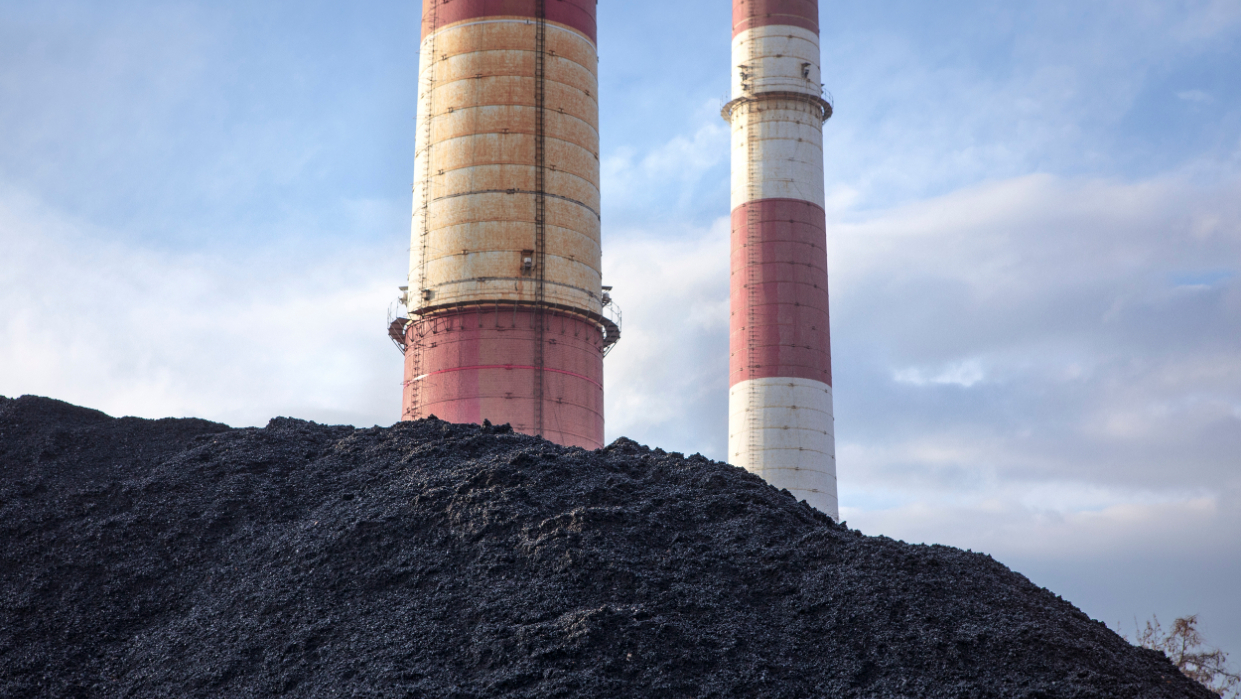
The UK has today become the first G7 country to mark its exit from coal, which has been at the heart of its industry for the better part of 150 years. Coal was the fuel that powered the industrial revolution in Britain, but the closure of Ratcliffe-on-Soar, the nation’s last coal power station, marks the end of an era. This milestone makes the UK the first G7 nation to part ways with the fossil fuel.
The UK's exit from coal, which is responsible for around 40% of global carbon emissions, has not been without its challenges. As recently as a few weeks ago, plans for a new coal mine in Whitehaven, Cumbria, were still under consideration. The project had been approved by the previous Conservative government but struggled to secure private investment.
However, two weeks ago, the UK’s first coal mine in decades was halted by a High Court ruling, which found that claims stating the mine would not increase greenhouse gas emissions were "legally flawed." A pivotal moment was an earlier High Court case against Surrey County Council this summer, which established that Scope 3 emissions must be included in environmental impact assessments for new fossil fuel developments.
This decision to account for Scope 3 emissions could have significant implications for future oil and gas exploration in the North Sea.
Another blow to the Whitehaven coal mine came with a swift announcement from the newly elected Labour government. They declared that the previous government’s decision to allow the construction of the coal mine was based on "an error in law."
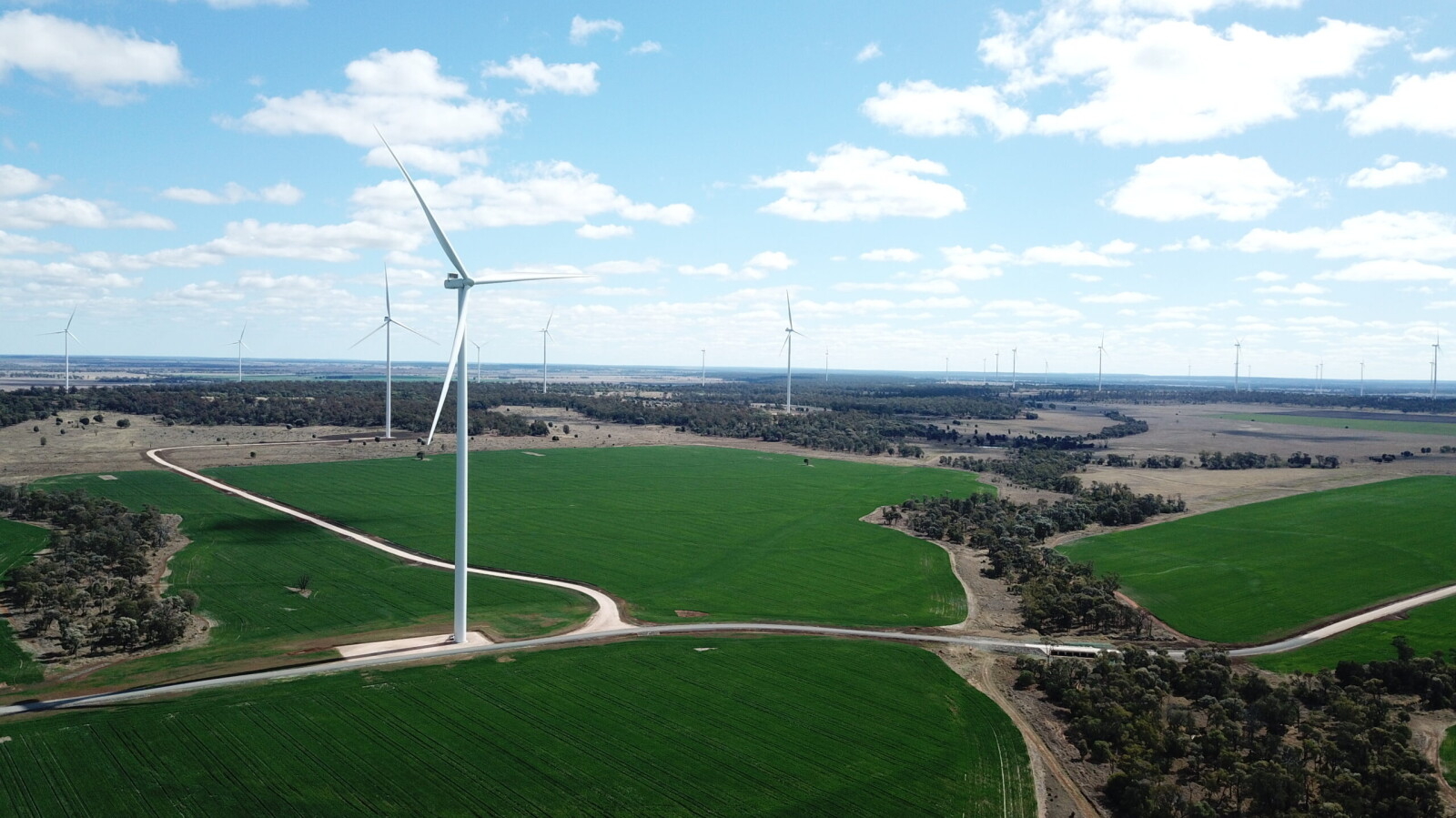
In the longer term, the UK's phase-out of coal has been made possible by the rapid expansion of renewable energy capacity. Today, wind energy accounts for nearly a third of the UK's total electricity generation, with biomass and solar contributing approximately 5% each, according to the National Grid.
UK coal demand peaked in the 1950s, with the Great Smog of London, caused by coal pollution, killing thousands. Coal generation reached its zenith in the 1980s, and the closure of mines in Wales and Yorkshire led to widespread economic hardship in those regions.
Concerns about the social impact of closing the UK’s last coal plant have been a key argument put forward by local politicians. It is also a pressing issue for ESG-conscious investors, who increasingly advocate for a just transition away from fossil fuels. At its height, Ratcliffe-on-Soar employed around 3,000 workers. The plant’s German owner, Uniper, is now in talks with unions to retrain the remaining workforce.
While the UK's last coal plant has closed, coal still accounts for more than a third of global energy generation. Investors are now shifting their focus to financial institutions that continue to support the coal industry worldwide, from banks providing loans to insurers underwriting coal projects.
Insurers continue to underwrite coal despite net zero pledges