Could Canadian banks join the NZBA exodus?
Just days after some of the largest banks in the US announced their departure from the Net Zero Banking Alliance (NZBA), the CEOs of two of Canada’s largest banks have suggested they may be reviewing their membership of the climate network.
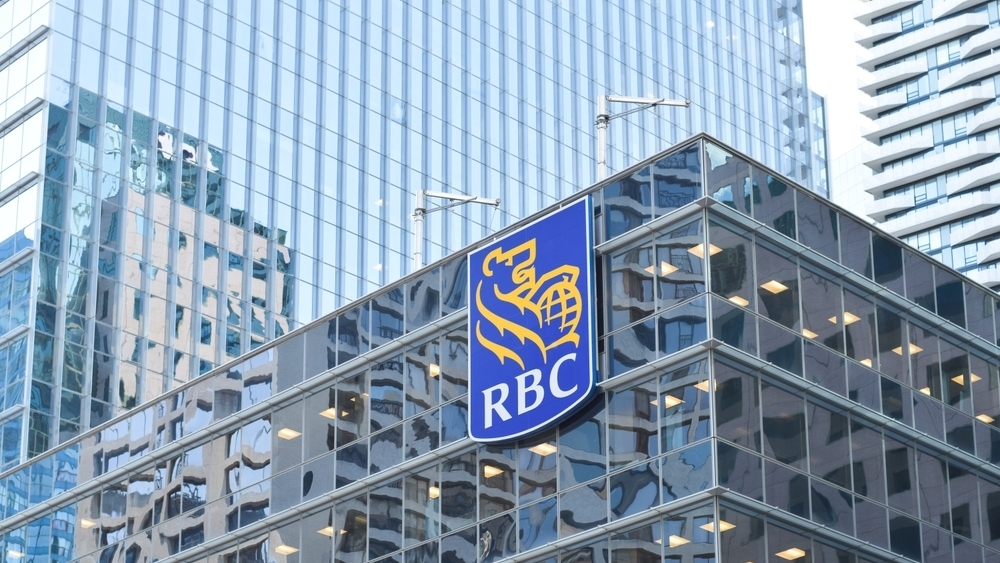
Speaking at RBC’s Capital Markets 2025 Conference on Tuesday, Dave McKay, CEO of RBC, downplayed the significance of leaving the alliance, suggesting that such a move might not necessarily indicate a lack of commitment to tackling climate change.
"I don't sense among multi sectors, clients and banks that there is a waning commitment to climate change. There is a challenge in how we build a strategy to effect a successful programme to address climate change and reduce emissions in society" McKay said adding that NZBA might not be the right mechanism to do so.
“Pulling out of NZBA, hypothetically, doesn’t lead to a non-commitment to net zero or climate change. It just means that mechanism, that organisation that fostered oversight and policies and rules around what you can and can’t do and how you report, maybe that is not the right mechanism to do it,” McKay said, adding that the bank would continue to support tackling climate change.
His comments come as RBC increasingly positions itself to expand in the US market through its advisory, lending, wealth management, and transaction banking cash management business. While RBC also has a presence in Europe, the US will remain at the heart of RBC’s expansion plans, McKay stated in his opening remarks.
At the same event, Bank of Montreal CEO Darryl White reportedly said the lender remains a member of the alliance, adding that this was the case “for now,” according to BNN Bloomberg.
Net Zero Investor has approached RBC and BMO for comments, but the organisations were not immediately available for further response.
Responding to these reports, Richard Brooks, climate finance director at Stand.earth, highlighted that environmental campaigners had warned GFANZ – the umbrella body for UN-convened climate alliances – about accepting members with high exposure to the fossil fuel sector.
“We told you so. RBC and the other Canadian banks entered into the Net Zero Banking Alliance to greenwash their fossil fuel financing and to gain cover under increasing pressure from customers and investors. It appears they misled investors about their intentions with the alliance. While the world is on fire, quitting even mediocre climate initiatives is an out-of-touch move that shareholders, workers, and regulators should pay close attention to.”
RBC is listed as the seventh-largest lender to the fossil fuel sector globally over the past ten years, according to the latest Banking on Climate Chaos report. Over the last decade, it has provided approximately $256.4bn in loans to the fossil fuel industry.
The comments by Canadian bank executives come in the wake of the resignation of Canada’s Liberal prime minister, Justin Trudeau. A federal election is scheduled to take place in October 2025, with Conservative leader Pierre Poilievre currently leading in the polls. Unlike Donald Trump, Poilievre has so far been cautious about taking a strong stance on climate issues, but he is expected to push back against Liberal climate policies such as the carbon tax and the oil and gas emissions caps.