Danish tailwinds are powering Ukraine’s wartime wind farms
Danish sovereign wealth fund EIFO and turbine supplier Vestas are bolstering a wind energy rollout in Ukraine
Energy is a critical frontline of the war in Ukraine. Following Russia’s invasion, Ukraine lost 80% of pre-war thermal electricity capacity in under two years. Simultaneously, some two-thirds of dispatchable power was either damaged or occupied.
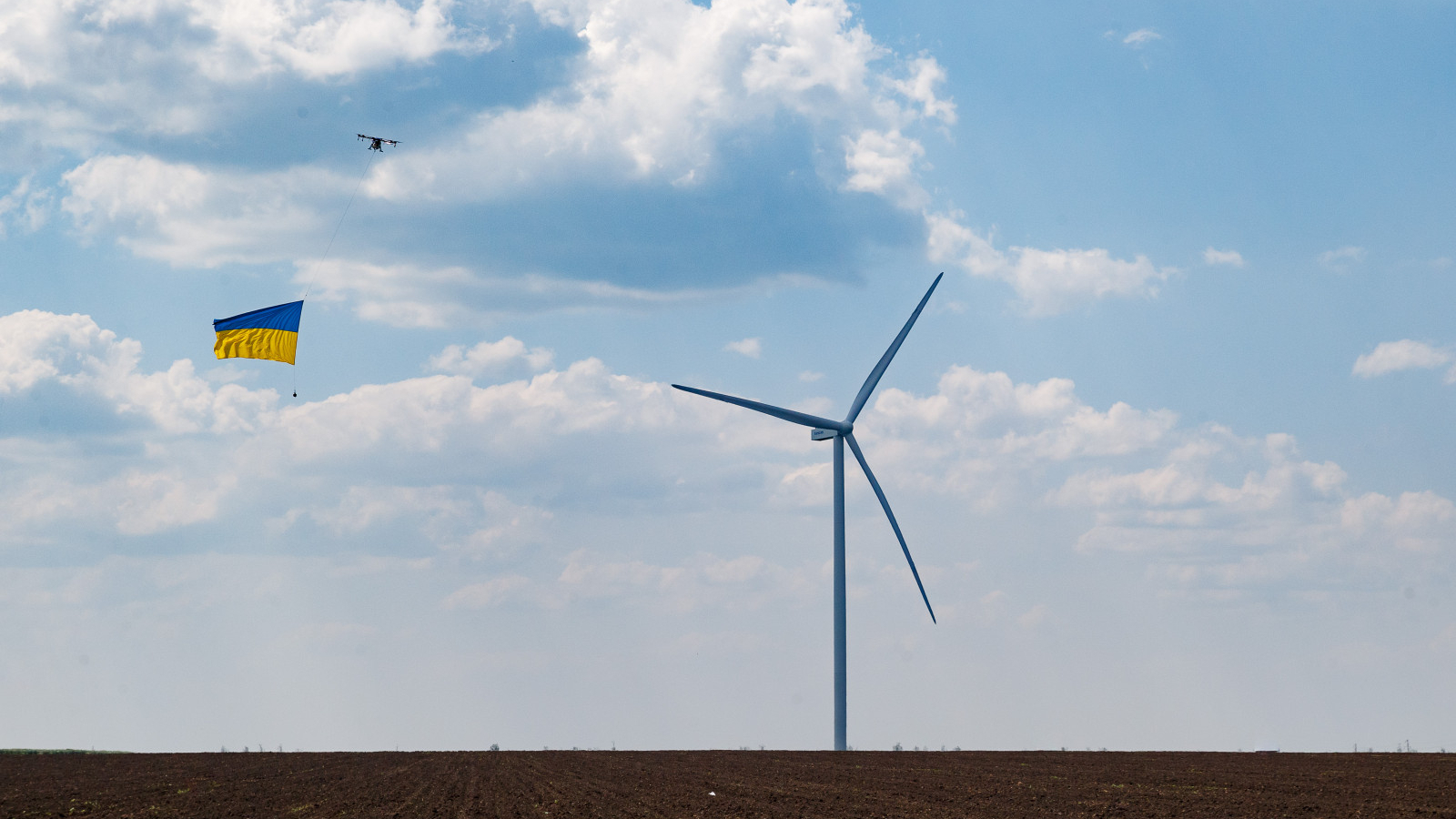
Ukraine has turned to wind to keep the lights on. In 2025, the country added a record 324MW of wind energy capacity – putting Ukrainian resilience on display in the process. Tyligulska, one of Ukraine’s largest wind power plants, was constructed just 100kms from the frontline. It is the world’s first wartime wind farm.
NZI Transition and Climate Investment Conference | 22 October | London | Register here
Ukraine’s wind rollout is picking up momentum. Kernel, an agro-industrial company, is the latest participant. The company, which supplies nearly 8% of the world’s sunflower oil exports, is building a wind farm of its own.
Danish capital
Kernel has set its sights on a new 94.5MW wind farm in central Ukraine. The project will include 21 turbines supported by battery storage systems. The electricity it produces will feed Kernel’s own operations as well as Ukraine’s wider grid.
For Ukraine’s energy woes, wind offers key security benefits. Crucially, wind power plants are decentralised and distributed energy systems – adding a layer of resilience compared to fossil fuel alternatives.
Kernel’s wind farm and DTEK Renewables’ Tyligulska have common financial backing. Denmark’s sovereign wealth fund EIFO provided guarantees for the latter. Now, the fund has extended a €100m loan to support the former.
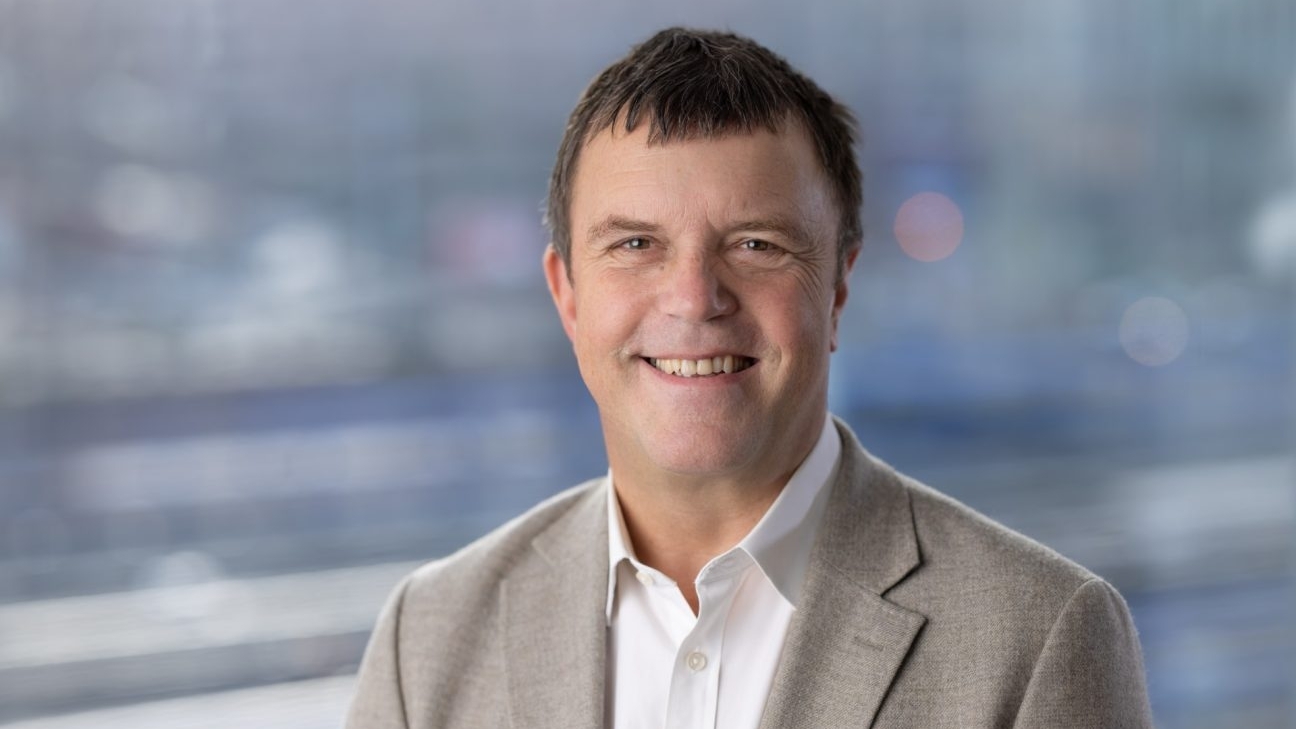
“When half of a country’s electricity production is gone, the priority is to bring new capacity online quickly. That requires someone to step forward”, says EIFO’s chief executive Peter Lundquist.
“We are pleased to help pave the way”, he adds, noting that energy is a new business domain for Kernel.
Kernel sees the project as part of Ukraine’s response to the war. “This project is much more than a new source of electricity. It is an investment in Ukraine's resilience, energy independence and long-term economic recovery. Despite the war, we continue investing in Ukraine because we believe in its future”, says CEO Yevgen Osypov.
Danish business
That Danish companies have a long history of pioneering wind energy technologies is relevant context.
The world’s first offshore wind farm – Vindeby – entered operations in 1991 off the coast of Denmark. Managed by what came to be known as Ørsted. Vestas, the Danish turbine manufacturer has wind energy engineering heritage tracing back to the 1970s.
Maintaining Denmark’s leadership in wind energy technology is one of EIFO’s stated objectives.
All of which adds commercial prospect to Denmark’s strategic partnership with Ukraine’s wind industry. “At the same time, the reconstruction of Ukraine represents a significant business opportunity, where Danish companies — such as Vestas — are helping lead the way. This benefits Danish industry and is crucial for Ukraine,” says EIFO’s Lundquist.
Vestas, for example, is no stranger to Ukrainian wind. 64 of Tyligulska’s turbines have a Vestas logo on them. When Vestas disclosed its Q2 2026 order book, Kernel’s project was announced as an ‘undisclosed order’, according to a statement from EIFO. All 21 of the farm’s turbines will be supplied and installed by Vestas.
“Ukraine’s wind power is more than a resource, is a force for recovery, resilience, and renewal”, says José Luis Jimeno, president of Vestas Mediterranean.
Denmark’s minister for business and competitiveness Martin Lidegaard also draws attention to the bigger picture. ‘Solidarity you can plug into’, he calls it – referring to EIFO and Vestas’ partnership with Kernel.
“When Russia tries to turn out the lights”, he says, “we help switch hope back on in Ukraine”.