Powering through war: how wind farms became a symbol of Ukrainian resilience
Since Russia’s invasion in 2022, wind farms have become a cornerstone of Ukraine’s energy security. Backed by investors, Ukraine defied the odds to install record levels of wind energy capacity in 2025
When construction began in 2021, DTEK Renewables’ Tyligulska wind farm was poised to be Ukraine’s largest. Then, in February 2022, Russia launched its invasion of Ukraine and DTEK paused the 500MW project.
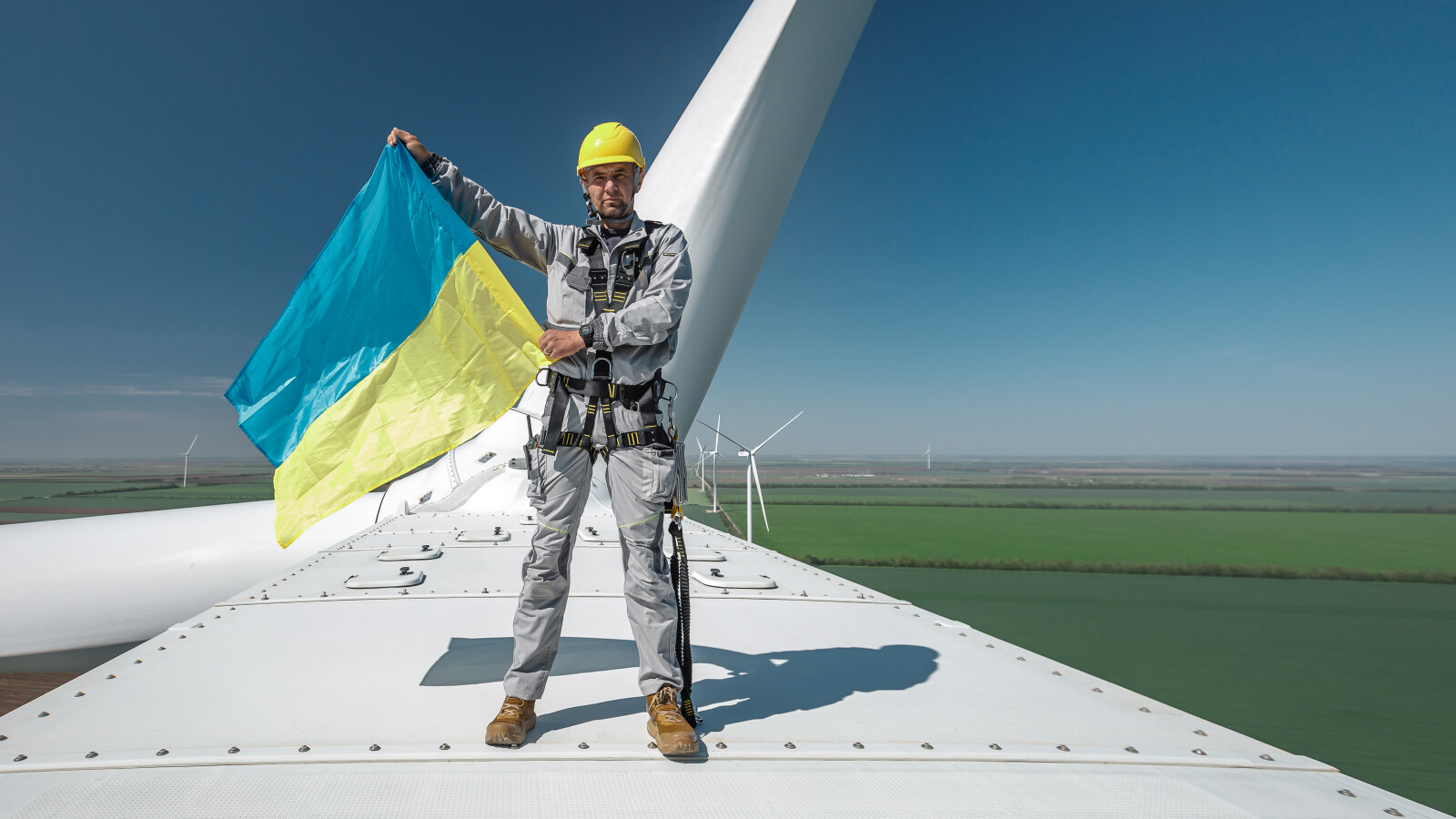
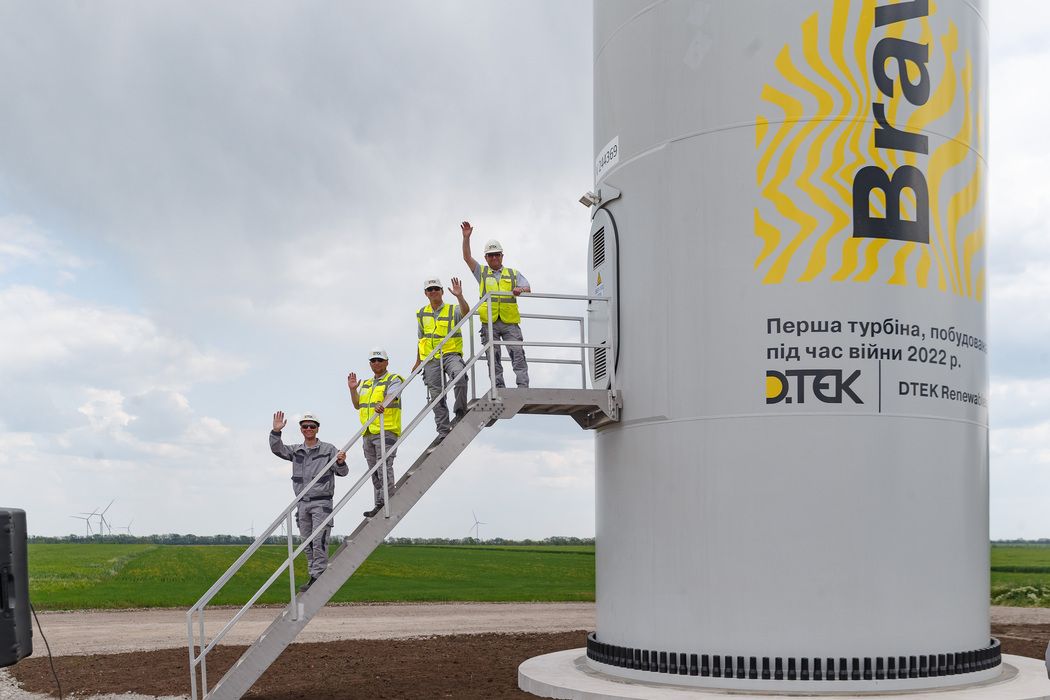
A few months later DTEK’s team returned, prepared to take on the security risk. An all Ukrainian crew donned bullet proof vests, spent over 300 hours in bomb shelters, navigated hundreds of air raid alarms and finished what they started – 100km from the frontline.
With its first stage now complete, Tyligulska – the world’s first wartime wind farm – is a symbol of Ukrainian resilience. It has inspired a wider rollout. In 2025, Ukraine added a record 324MW of new wind energy capacity, backed by investors willing to join the fight.
Net Zero Investor’s Renewable Infrastructure Forum 2026: 18th, March, The Chesterfield Mayfair
Energy frontline
Russia’s invasion plunged Ukraine into an energy security crisis. By September 2024 Ukraine lost 80% of its pre-war thermal electricity capacity. Its largest nuclear power plant (Zaporizhzhia) was occupied by Russian forces. All in all, two-thirds of its dispatchable power capacity was either occupied, damaged or destroyed. Russian attacks on energy infrastructure added to the burden.
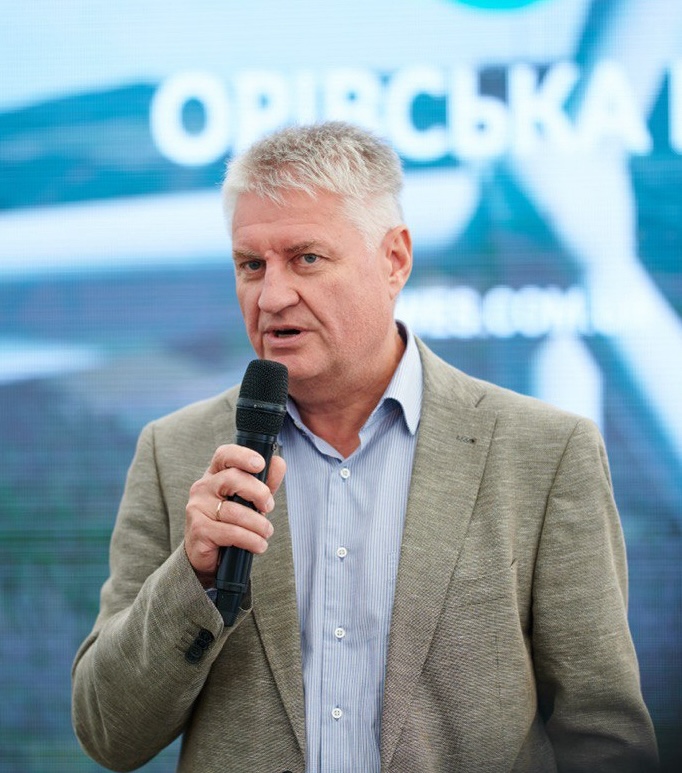
Wind energy quickly became part of its response. “Wind is a direct energy-security asset for Ukraine, especially under wartime conditions and during recovery”, says Andriy Konechenkov, chairman of the board at Ukraine’s Wind Energy Association (UWEA).
Konechenkov says wind energy has notable strategic appeal. Relying more on wind means relying less on fossil fuel imports. Wind output is stronger at night and through winter. Most importantly, wind energy systems are decentralised and distributed – making them more resilient to Russian attacks.
“Wind projects can be deployed across multiple regions, reducing single-point-of-failure risk and supporting a more resilient system architecture than large, centralized energy assets”, he explains.
Ukraine’s wind energy sector responded to the call. “Despite the war, the wind sector has continued to build”, says Konechenkov. By UWEA’s estimates, Ukraine added 572MW of new capacity since 2022, 324.4MW of which came in 2025 – a record high during the war.
“It is a confidence signal. Wind projects are capital-intensive, long-cycle investments. The fact that investors proceeded with construction in 2025 demonstrates a clear willingness to take long-term exposure to Ukraine, even under active security risks”, he adds.
Against the odds
That investor confidence is almost entirely driven by the resilience shown by Ukraine’s wind energy operators.
Oleksandr Selyshchev, CEO of DTEK Renewables – who is in Kyiv – told Net Zero Investor more about constructing the Tyligulska wind power plant in the heat of war.
“Our teams were really motivated because they understood that our electricity is a part of our victory. This was not just a commercial activity; this was about us caring for the Ukrainian people”, he says.
DTEK set up underground and mobile bomb shelters. Special security plans were designed with turbine suppliers and emergency medical equipment was arranged.
“We had almost 300 air raid alarms during construction”, said Selyshchev.
Others have followed his team’s example. Friendly Wind Technology (FWT), for instance, managed to establish a full-cycle, multi-megawatt turbine production line during the conflict.
“By manufacturing nacelles, towers, and now blades domestically, FWT has transformed Ukraine from an equipment importer into a self-reliant manufacturer”, says UWEA’s Konechenkov.
OKKO, another Ukrainian renewable energy company, is building a 147MW wind farm in the country’s west. It is the first privately financed project since the invasion.
“So, for investors, the message is clear: wind energy deployment has resumed not because risks disappeared, but because the market has learned how to operate within them”, Konechenkov notes.
European backing
Ukrainian defiance has had European support in the form of equipment manufacturers and financiers. Danish manufacturer Vestas is a prominent supplier of turbines to Ukraine’s wind farms. As is Germany’s Nordex SE.
Europe’s sovereign-backed funds have played a role too. Denmark’s Export and Investment Fund (EIFO) guaranteed bank loans that financed stage II of DTEK’s Tyligulska wind farm. Norway’s investment fund (Norfund) allocated €15m for Horizon Capital’s Catalyst Fund. Its first investment was a 124MW wind farm in Odesa.
Banking on wind
Ukraine’s largest institutional investor is the European Bank for Reconstruction and Development (EBRD) – despite having Russia and Belarus (in addition to Ukraine) as shareholders.
Since the invasion, EBRD has invested over €9bn in support of Ukraine’s energy security. OKKO’s wind farm is one of many recipients of that support.
“We were asked to be creative and continue supporting our clients in Ukraine. So we had to find ways to react. From a banker’s standpoint it was extremely challenging”, says Julien Mauduit, EBRD’s regional head for energy in central and eastern Europe.
“Until that day, I never thought I’d be capable of banking during a war”, adds Mauduit who now leads the bank’s energy operations in Ukraine.
In January this year the bank’s shareholders backed a €4bn capital increase – with Ukraine at its core. “It allows us to be more agile and deliver more business in Ukraine. Now we are in a much better position to deliver capital to Ukrainian projects”, Mauduit notes.
Another multilateral financier supporting Ukraine’s wind farms is the IFC – the World Bank’s private sector lending arm. Elleanor Robins, Ukraine infrastructure and energy lead at the IFC says the lender has channelled around $2.8bn of private sector investment into Ukraine since the invasion, including $1bn in mobilised financing.
“In addition to the OKKO investment, we are processing three additional projects corresponding to around 570 MW of new onshore wind power”, Robins told Net Zero Investor.
The IFC thesis for wind energy in Ukraine echoes what UWEA and DTEK have said are its greatest selling point – a decentralised, distributed system.
Day after
Investors are rightfully motivated by the resilience on display in Ukraine. With wind energy generation being delivered at speed, transmission is the next, immediate concern.
“Energy transmission is a challenge because of shelling. Russia is trying to destroy as much infrastructure as possible”, warns Selyshchev.
The World Bank estimates a 70% increase in damage to supporting infrastructure since 2023. IFC’s Robins says de-risking instruments and multilateral support are the need of the hour.
Crucially, European energy integration could be a game changer. “The full integration of Ukrainian energy markets into European ones is extremely important from an investor perspective. We see this as key to opening up further investment potential”, says Robins.
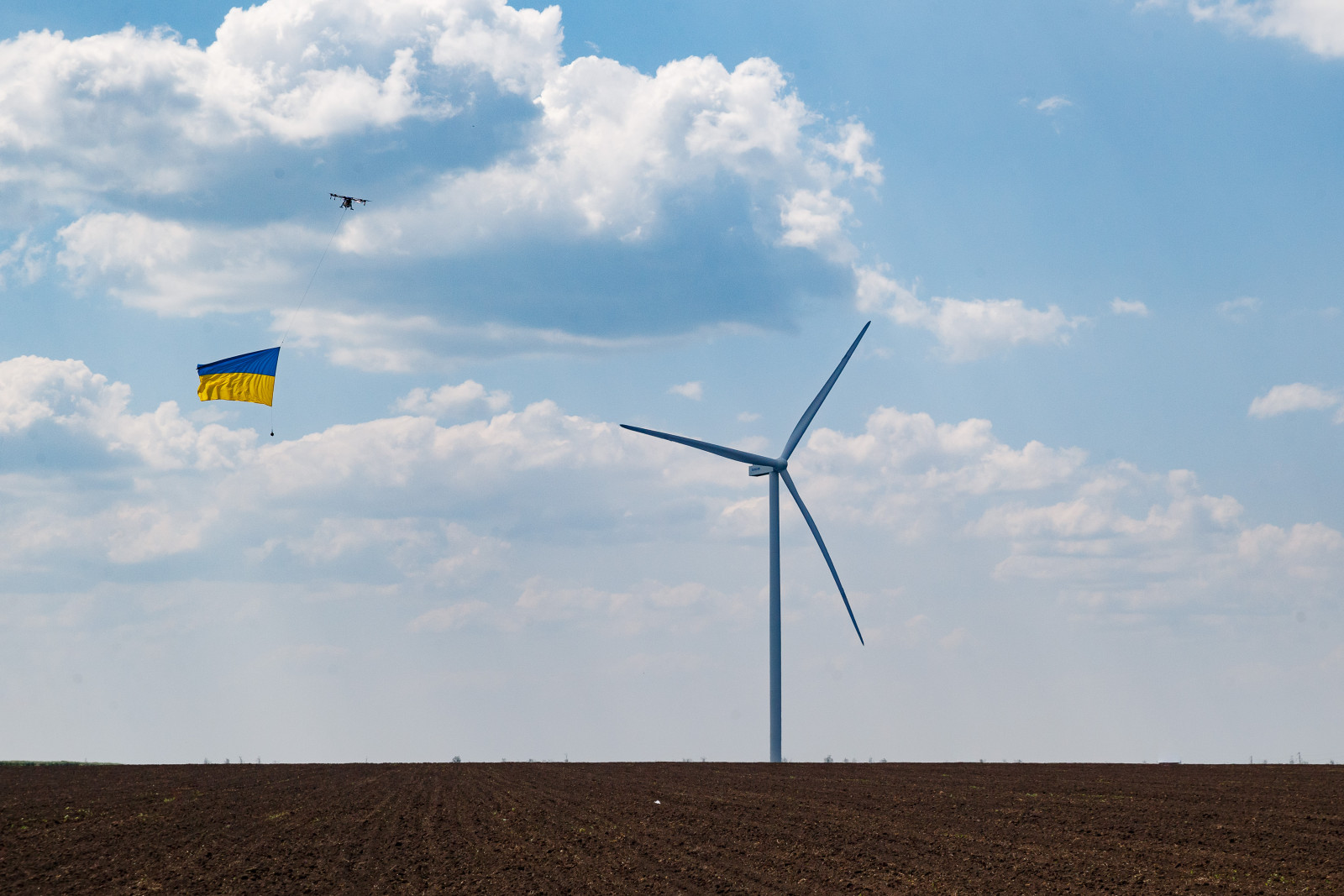
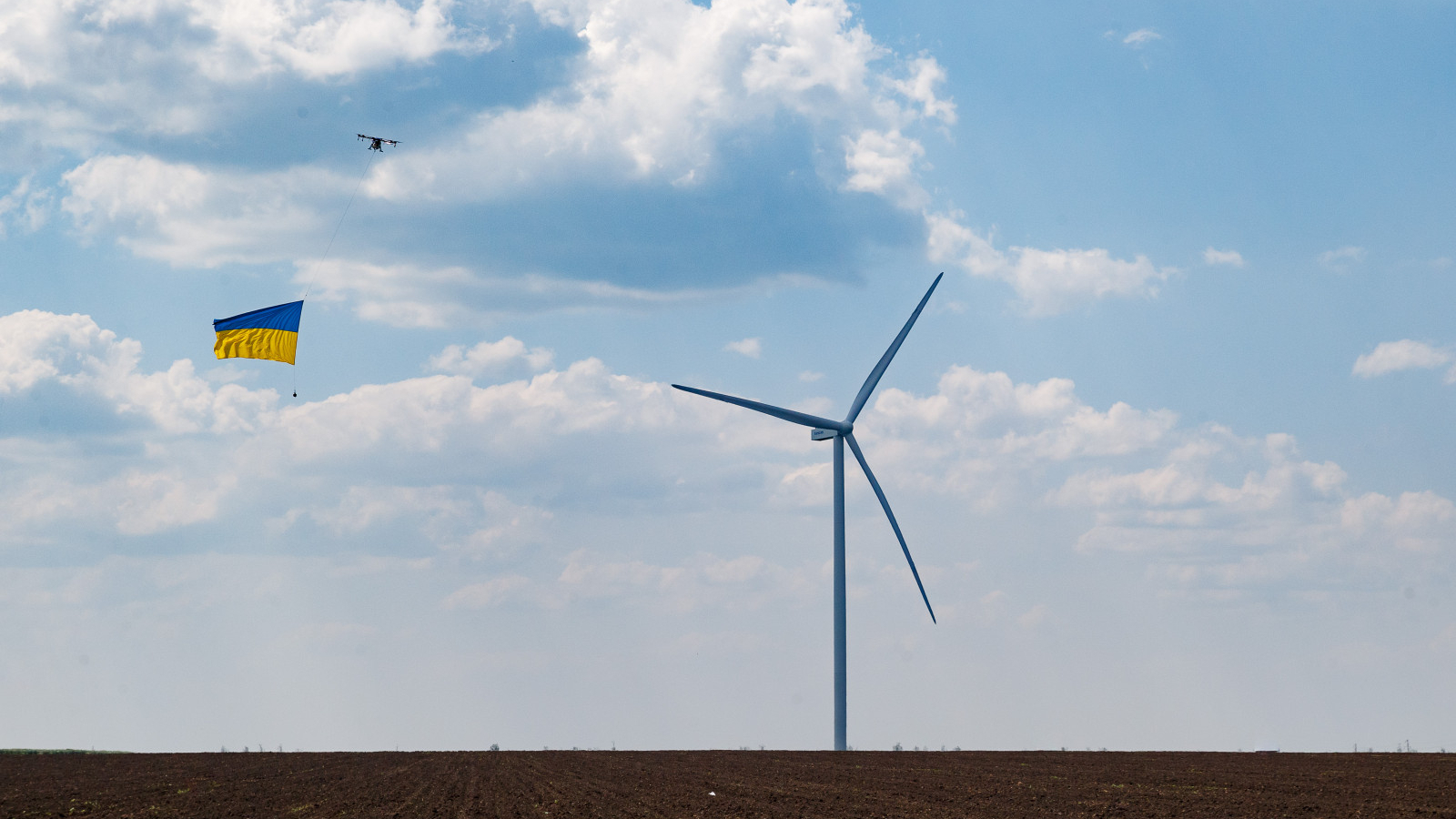
Integration is in the works. For now, taking a long-term view on Ukrainian wind will require financiers to continue banking on resilience. Having seen a Ukrainian flag unfurled atop a wind turbine 100km from the frontline, they will have good reasons to do so.