‘Energy security means going green’: Temasek says crisis strengthens case for renewables
Temasek executives have linked energy security and the energy transition, predicting that 'a structural shift is underway'
Singaporean state-owned investor Temasek hosted its annual flagship sustainability even Ecosperity 2026 last week. Speaking at the event, Temasek executives made the case for bolstering the energy transition on energy security grounds.
Temasek chairman Teo Chee Hean noted the backdrop of rising geopolitical conflict and energy security concerns. In his remarks, Hean affirmed that recent events have reinforced the case for the energy transition.
NZI Climate Solutions Summit | 23 June | London | register here
“Geopolitics is no longer the backdrop”, he said, citing examples including conflicts in Ukraine and the Middle East. “Long-held assumptions about global cooperation are being fundamentally torn down”, Hean added.
The context of energy price shocks culminating from geopolitical conflicts set the tone for Ecosperity 2026. “We are at a defining moment”, said Temasek chief sustainability officer Kyung-Ah Park ahead of the conference. “That is what Ecosperity Week 2026 is about — focusing on what works, what can scale, and how we mobilise partnerships and capital to support the region's sustainable growth”, Park explained.
Chairman Hean’s address highlighted three domains of sustainability – electrification, sustainable digital infrastructure and climate adaptation. The transition, in Hean’s view would not be smooth and energy security concerns could keep some countries reliant on energy systems that include fossil fuels.
Beyond short-term volatility however, the chairman said, “a structural shift is underway”.
“Fossil fuel systems remain exposed to concentrated supply routes and geopolitical shocks. But by contrast, renewable energy is more distributed, more local, and less dependent on vulnerable supply lines that must remain continuously open for replenishment”, the chairman noted.
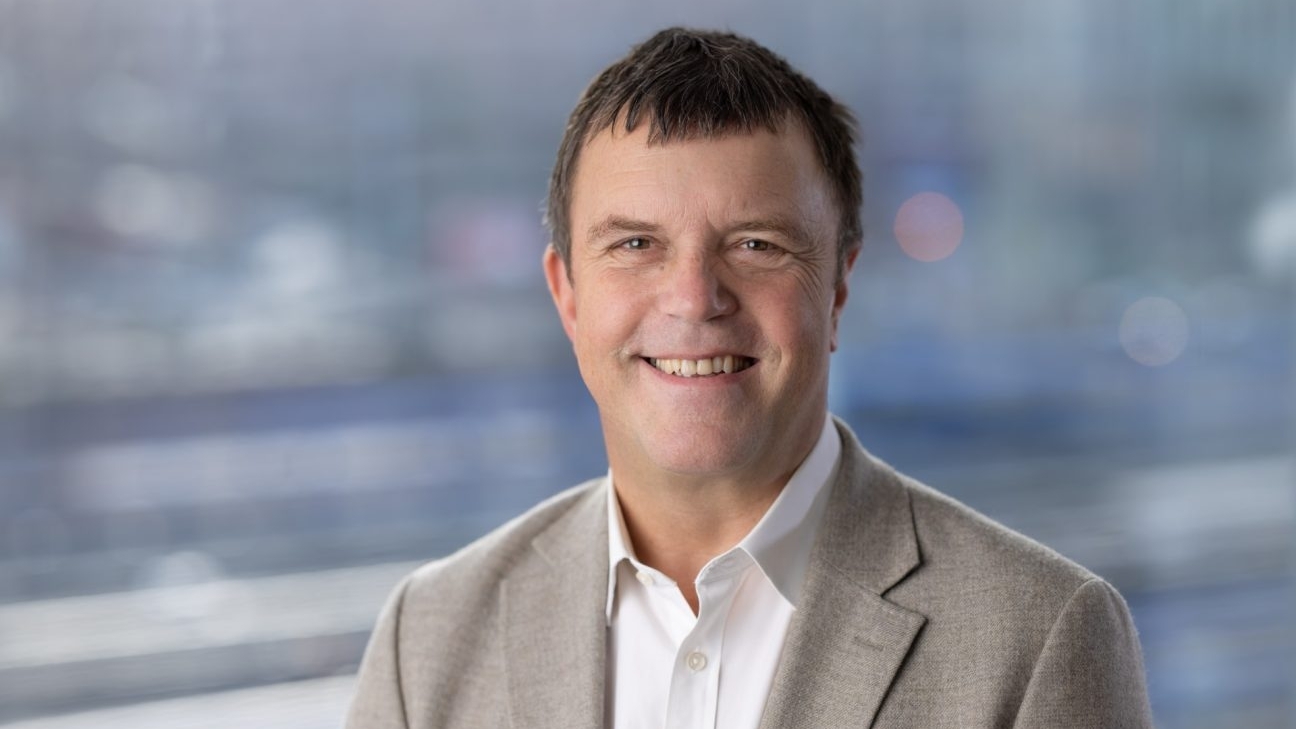
Temasek’s chief executive Dilhan Pillay Sandrasegara also addressed the audience and echoed the chairman’s view. “Recent events in the Gulf are a stark reminder that fossil fuel systems remain highly vulnerable to geopolitical shocks and supply disruptions. This makes the case for renewable energy even stronger”, he said.
Energy security, he told the audience, “means going green too”.
Sandrasegara went on to outline Temasek’s recalibration of its climate investment strategy.
“Under current conditions – and given our portfolio exposure to hard-to-abate sectors – we are unlikely to meet our interim 2030 target to halve net portfolio emissions from 2010 levels”, he explained, “this is not because we have stepped back from our net zero pathway”.
Temasek’s exposure to aviation and power generation assets, he outlined, make the 2030 target less likely to be met. Sandrasegara’s address included several details of Temasek’s strategic outlay.
Net zero by 2050 is still on the cards. The sovereign wealth fund’s internal carbon price currently sits at $65 per ton. By 2030, he expects this to each $100. Capital allocation to industrial decarbonisation in addition to electrification and renewable energy is on the rise. The joint venture with BlackRock – Decarbonisation Partners – and transition financing platform GenZero are particular points of focus.
In a bid to highlight the ambitious pursuit of net zero, Sandrasegara cited former American president John F. Kennedy’s remarks in 1962 over US ambition to pursue the moon landing. “The quest for net zero by 2050 demands that same spirit of ambition and resolve”, he said.
Longview Networks: Institutional Investment Conferences and Summits