Good neighbours: wind investors seek to win community support
Investments in onshore wind come with a quirk: the firms funding the site are expected to give back to their communities. LPPI's Jonathan Ord and Dan Hobson on how this links pension funds to the regions they invest in
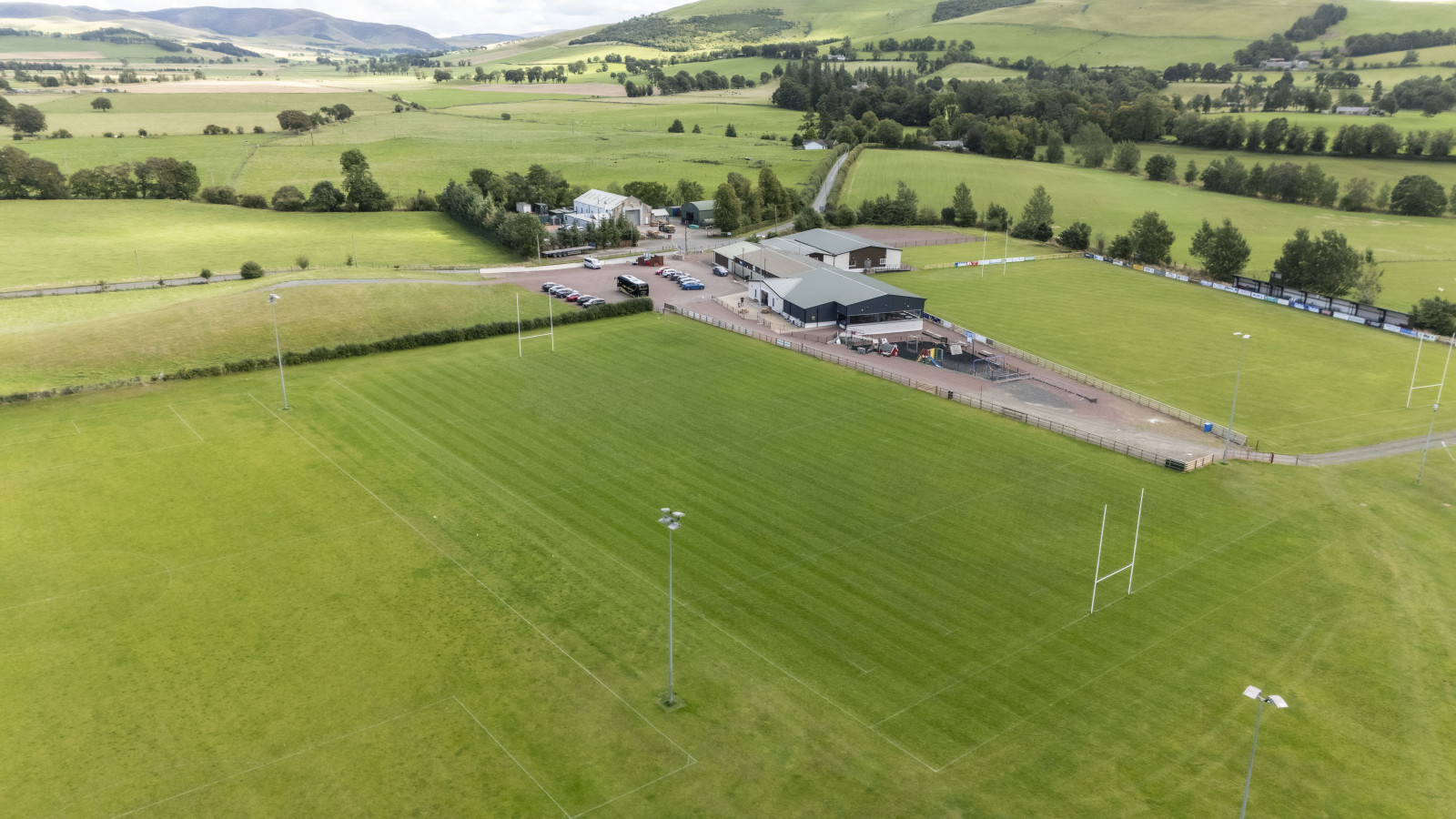
Biggar Rugby Club is more than just a local sports centre. Located just outside the small town in South Lanarkshire, Scotland, the building hosts yoga classes, a fitness centre, a local playground and bridge classes for the elderly. A spacious glass front offers impressive views over the South Lanarkshire hills.
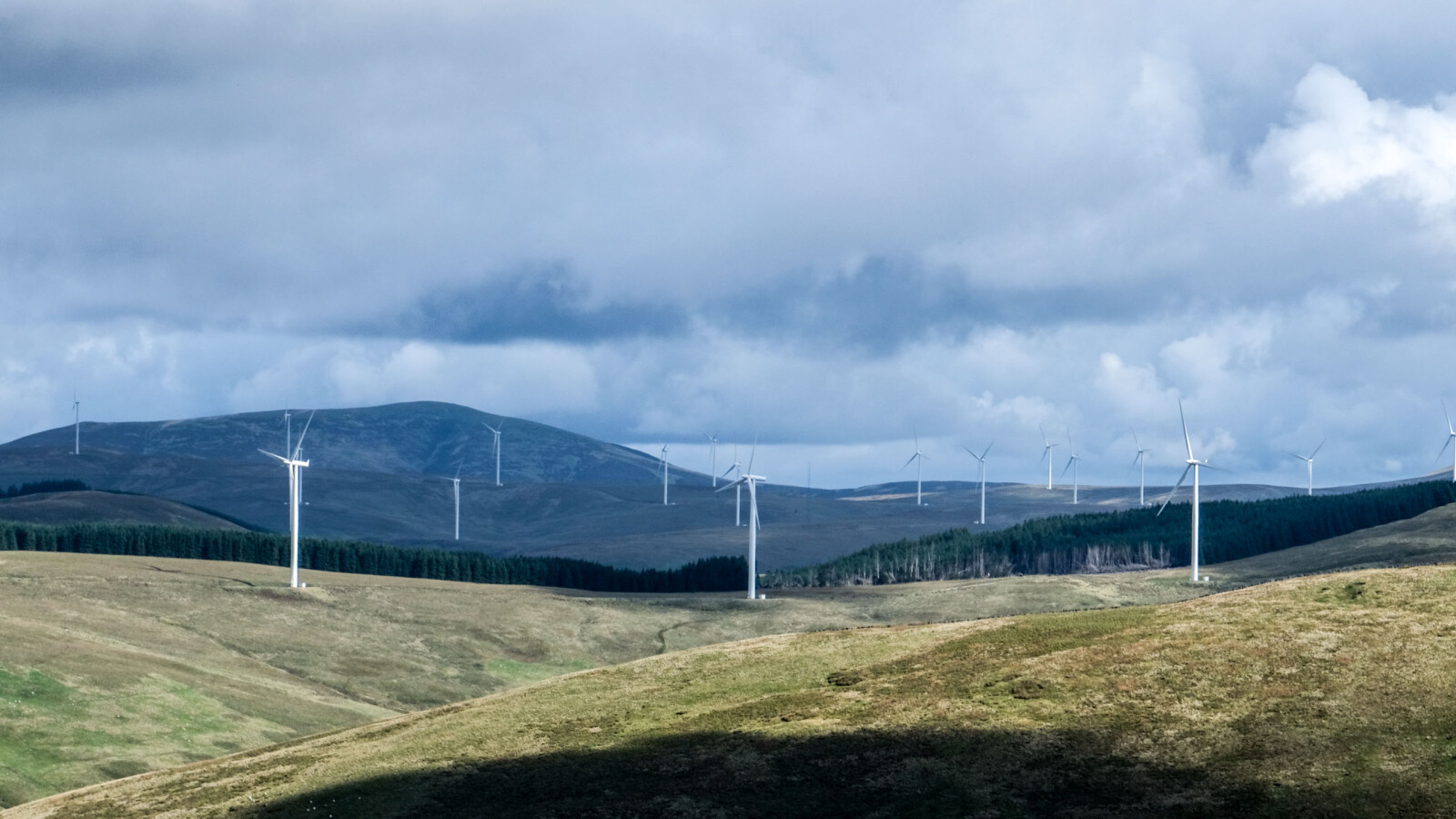
In recent years, the club has benefited from significant investment. Being just a stone's throw away from Clyde Wind Farm, one of Europe's largest operational windfarms, the Clyde Community Investment Fund has recently backed the club with an £800,000 investment supporting the construction of a new community gym and an expanded clubhouse. But why does a windfarm fund a local rugby club?
NZI Transition and Climate Investment Conference | 22 October | London | Register here
Clyde's backing for local community projects is not simply philanthropic. Scotland has had a longstanding practice of community benefit funds, whereby the owners of wind farms donate to local communities. The motivation behind it was to overcome local objections to the visible impact of windfarms on landscapes, which has been an obstacle for developers in the past.
There are clear examples of locals objecting to wind farm developments, US president Donald Trump being perhaps the most prominent opponent. His longstanding protest against the construction of the 11-turbine European Offshore Wind Deployment Centre at Aberdeen Bay Wind Farm near his Scottish golf course prompted a series of expensive lawsuits, though it did not ultimately prevent the construction of the project.
As windfarms have left their mark across the Scottish landscape, they have also generated a direct link between the communities living next to them and the institutional investors owning them.
Community benefits: unique to onshore wind
While community benefit contributions are voluntary and not directly linked to planning consent, the Scottish Government's Good Practice Principles recommend at least £5,000 per installed MW per year, similar recommendations are also in place for solar and battery storage but not for the oil and gas sector.
This practice has been in place in Scotland for more than 20 years. Foundation Scotland estimates that the South of Scotland has received more than £30m in donations since the mid-1990s.
Not all windfarms comply with these rules. A recent investigation by The Ferret shows that at least 20 windfarms in Scotland paid below the suggested threshold, resulting in communities receiving less support than expected. For example, EDF-owned Dorenell windfarm only paid £2,525 per MW, resulting in a £10m shortfall building up, the Ferret report showed.
But overall, wind developer compliance with these recommendations is high. The practice has gradually swept across the UK. In 2024, windfarms contributed some £75m in donations to community benefit funds, the bulk of which, some £55m, was invested across Scotland, according to Renewable UK.
The asset owner link
In the case of Clyde, which benefits from direct pension fund investment through the infrastructure platform GLIL, the community benefit payments establish a direct link between the asset owners invested in the windfarm and their neighbouring communities.
While most asset owners tend to allocate to infrastructure assets via dedicated funds managed by external managers, the premise of GLIL is that collaboration between asset owners allows them to own a direct stake in investments.
While Clyde is one of many assets within the GLIL portfolio, the fund's origination experts regularly swap their suits for high vis vests to visit the site, LPPI's head of origination and execution Dan Hobson shares. "If I've got a spare hour around the village, I'm wandering, chatting to the local residents who work in the shops, and just see how they feel about the wind farm, you get a tremendous insight from that."
Overall, the community benefits framework has played a key role in securing public backing for the windfarm, he believes: "The community are incredibly supportive because they've seen firsthand a direct benefit from Clyde being there and distributing these funds."
From a pension fund perspective, investments such as Clyde, which is already well established, sit at the lower end of the risk return spectrum, the key premise here is to offer pension fund members a steady stream of income beating CPI by 4%, adds Jonathan Ord, head of direct infrastructure at LPPI.
Policy divergence
While the impact of community benefit payments on GLIL's overall investment returns is marginal, the team says, it is worth noting that the regulatory framework in Scotland and England is about to diverge, with Scotland's latest consultation papers proposing to lift the benchmark to £6,000 per MW for onshore wind, alongside new recommended ranges of £700 to £1,000 per MW for solar and at least £150 per MW for battery storage. Meanwhile, Westminster is actively considering making the payments mandatory.
For LGPS investors, who are already facing mounting public scrutiny on their place-based investment commitments, mandation may not be necessary. For windfarms based in England, these community benefit payments could tie investment income to place-based investment targets.