Investors divided on return profile of natural capital strategies
Investor demand for natural capital strategies is on the rise, but what sort of returns are realistic and sustainable?
In the heart of the City of London, right next to St Paul’s Cathedral, developers are planning the construction of a new 300-metre skyscraper that could redefine the city skyline. However, this building will differ significantly from its glass-clad and concrete-heavy neighbours. The project, named the Oakwood Tower, is set to use timber as its core construction material in a bid to achieve carbon-negative status.
The construction of buildings like London’s new Oakwood Tower is expected to trigger a surge in global demand for sustainably sourced timber. According to World Bank data, demand could rise from 1.5 billion cubic metres in 2012 to as much as 6 billion cubic metres by 2050.
Rising demand for sustainable timber, coupled with increasing appetite for high-quality carbon credits, could become key return drivers for nature-positive strategies. This is the view of Richard Kelly, managing director and co-lead of Foresight Natural Capital at Foresight Group, a UK-based manager offering natural capital strategies.
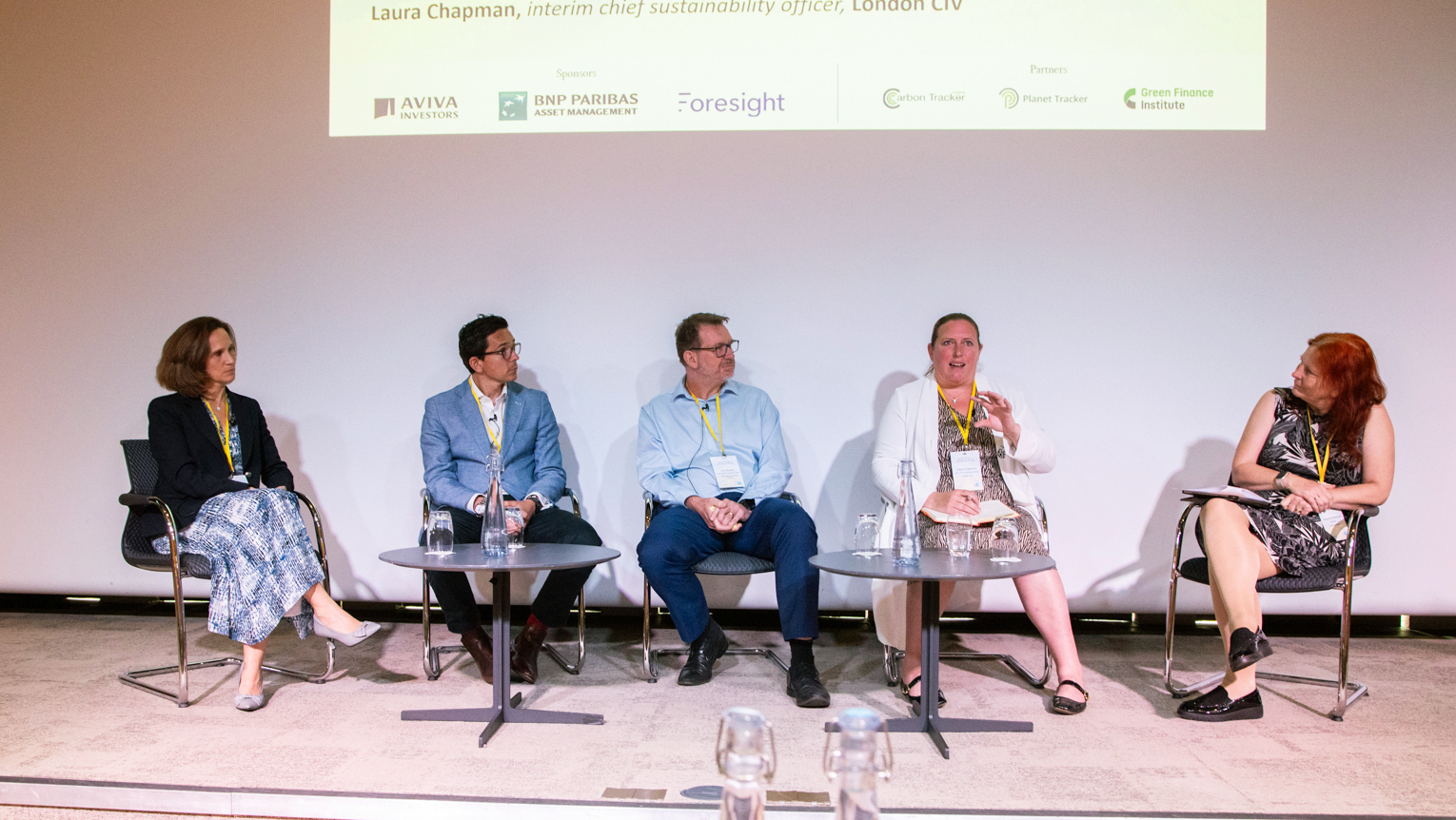
Speaking at Net Zero Investor’s Nature Positive Investment Forum, Kelly predicted that escalating timber prices and growing corporate demand for high-quality carbon credits are likely to enhance the return profile of natural capital investments. He suggested that this combination could offer investors double-digit returns by focusing on development projects, where proactive land use and enhancement unlocks developments returns available over a shorter-term investment tenure. He distinguished these development projects from more 'passive' long hold natural capital strategies.
Offering a more cautious perspective, Celine Claudon, chief commercial officer at the International Woodland Company, a Danish natural capital investment firm, argued that double-digit returns across core markets and strategies were “unlikely” without major market shifts, such as a sudden spike in timber or carbon prices.
NZI Charities and Endowments Summit | 12/06/2026 | London
Claudon emphasised the influence of external market forces on returns. “Just managing a forest the way you should doesn’t necessarily lead to high returns. It’s what happens externally, price movements, regulation, demand, that can push returns upward,” she said.
Meanwhile, asset owners exploring the asset class are approaching it with a degree of caution. Josh Brewer, responsible investment officer at Oxfordshire County Council Pension Fund, noted that his fund is factoring in returns between 6 and 8 percent. Speaking alongside Claudon and Kelly, he highlighted the importance of integrity and the need to manage potential reputational risks.
The fund is in the early stages of allocating capital to natural capital but is proceeding carefully. “This is such an emerging space and there are some real risks out there around reputation, so we are keen to get it right,” Brewer explained. “There is a case for carbon credits but it is all about the integrity of those credits, and that is where regulation comes into play. The more regulation, the better.”
Similarly, the London CIV local government pension pool has recently launched a natural capital strategy, currently backed by four of its partner funds. It too is taking a measured approach. “We began with diversified exposure to forestry and agriculture, prioritising managers who are serious about sustainability,” said Laura Chapman, interim chief sustainability officer for the pool.
London CIV is also projecting returns in the high single digits. “You can get returns that are both understandable and additive. It’s about choosing the right managers who are focused on resilient ecosystems,” Chapman emphasised. The fund remains cautious on carbon credits, describing them as “a cherry on the top” rather than a core return driver.
UK asset owners enter second wave of nature positive investing