Suzlon Energy’s CEO on India’s energy transition: “terrific growth compared to the past”
In a chat with Net Zero Investor, J.P. Chalasani discusses the tailwinds powering India’s renewable energy industry.
For institutional investors looking to invest in emerging markets, India’s energy transition is a lucrative opportunity. Over the past few years, several asset owners have increased their exposure to the renewable energy assets that power India’s net zero ambition.
For instance - in May 2024, Canada Pension Plan Investment Board’s announced an investment in a 1.2 GW pipeline of solar and wind projects expected to be commissioned in 2025. In June 2023, Norwegian pension fund KLP partnered with the Norwegian Climate Investment fund to fund a 168 MW wind project in the state of Gujarat.
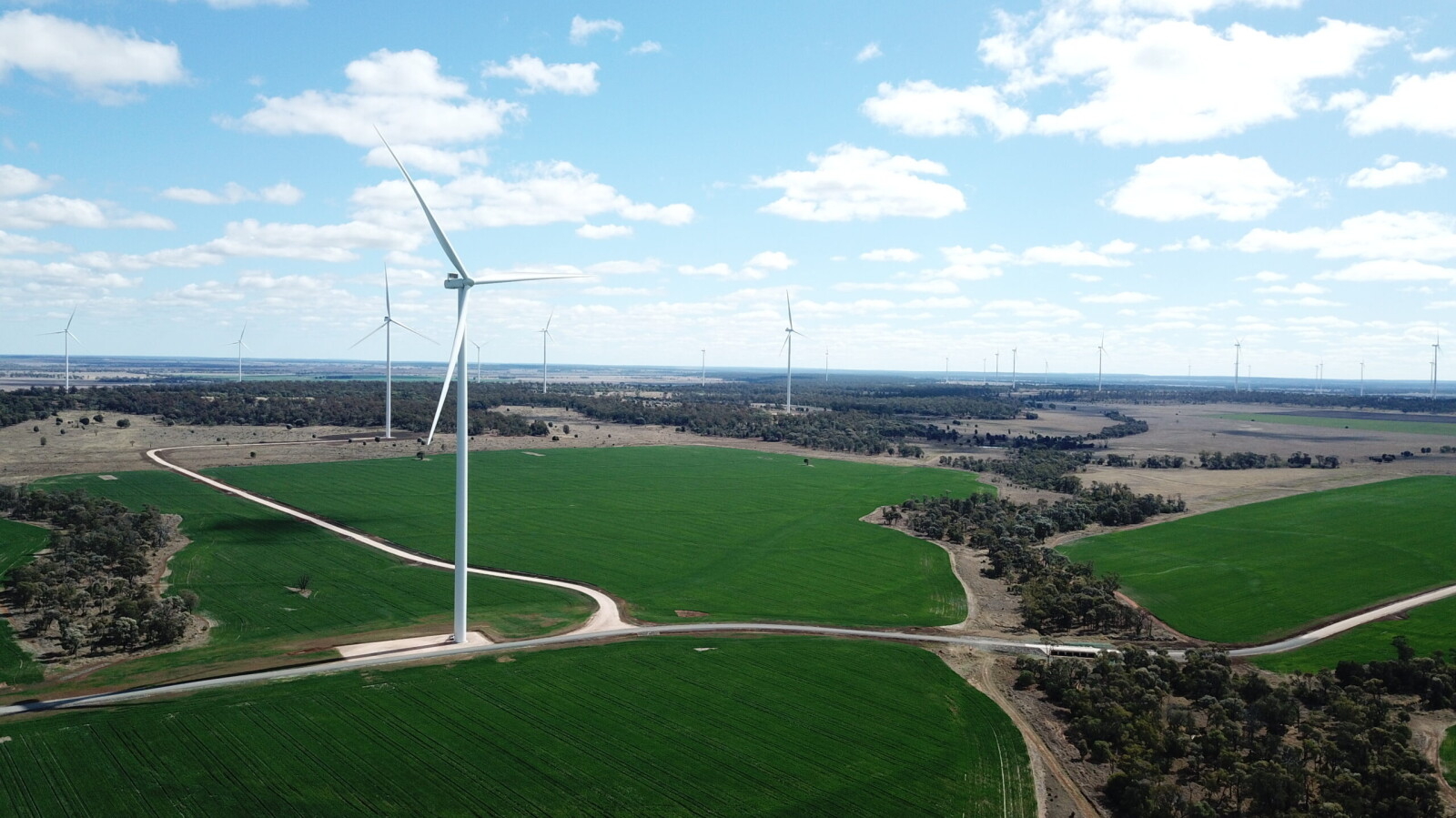
India’s renewable energy companies are at the receiving end of this investor confidence. One such company is Suzlon Energy. Founded in 1995, Suzlon is considered a pioneer of wind energy in India. The publicly listed company has developed some of India’s largest onshore wind farms with a total installed capacity of over 14,720 MW.
On the sidelines of the Australia - India Renewables Dialogue in Sydney - organized by the Australia India Institute – NZI caught up with Suzlon Group's chief executive officer, J. P. Chalasani who shared his views on how India’s energy transition is progressing.
Let’s start with the broader picture. India is an economy where a significant share of installed capacity in the power sector comes from fossil fuels, led by coal. However, the latest numbers show that the share of non-fossil fuel energy is at 45.5%. What is your interpretation of the pace of India’s energy transition?
While we have not yet reached the rate at which we wanted to grow, looking at the past, this is rapid growth. Particularly when you look at the growth of renewable energy versus fossil fuels. In a short period of time, for wind and solar energy, we have crossed 130 GW. 30% of our installed capacity is wind and solar energy. By 2030, we expect this to exceed 50% of installed capacity.
Currently between wind and solar, 25 GW is installed each year. We expect this to ramp up to 40 – 45 GW. That is a terrific growth rate compared to the past.
What are some of the factors that have accelerated India’s energy transition?
First, for a transition of this scale, demand plays a key role. So if GDP is growing at 6%, the power sector also needs to grow at that level. Second, in India, there is a significant commitment from everyone that we need to move towards decarbonisation. While there are significant utility-based PPAs coming in, equally large demand is coming in from corporates. In fact for Suzlon, two-thirds of our demand is from corporate customers. Whether that is cement manufacturers or steel – everyone is trying to move from fossil fuels to renewable energy.
Another reason why renewable energy is growing in India are tariffs. We, as a country, are extremely sensitive towards tariffs. Over a period of time, cost per kilowatt-hour has come down and it now competes with fossil fuels.
So rising demand, commitment from corporates to decarbonise and the competitive cost of renewable energy are all contributing to the pace of India’s energy transition.
India has a net zero target of 2070. It also has an ambitious target of 500GW of installed renewable energy capacity by 2030. Is ambition good for business?
There are two things here – one is ambition. The other is building the ability to meet that ambition. So I think that’s what we have done in India – building that ability. I am not saying there are no challenges. Whenever you want to do something at this scale, there will be challenges. For example, with such large capacity coming in - grid connectivity and storage is a challenge.
The Indian government has been playing a catalytic role in that context. Whenever there are challenges, they are willing to listen and address it. That is really helping India’s energy transition.
For renewable energy, cost has been a tailwind. Data from IRENA shows that the global weighted average levelized cost of energy of new onshore wind projects is lower than the cheapest fossil fuel-fired solutions. Solar energy too has seen cost reductions. However, more recently the inflationary macroeconomic environment has led to concerns about rising cost of capital for wind energy. Looking forward, is cost a headwind or tailwind?
There are two ways of looking at it. One is cost of installation. Second is cost of power. Both are equally important. While there is a feeling that cost of installation is cheaper for solar and therefore the cost of generation is cheaper, this depends on what time of day and season it is. So when you give value to the time such as through time-of-day tariffs, which is what India is shifting towards, I would say wind is much more competitive. We cannot look at this in cost terms alone, we need to look at availability at the time of demand.
Lastly, as someone who leads a multinational renewable energy company - what is your perspective on this era of competitive and fragmented green industrial policy exemplified by the US Inflation Reduction Act - does this make you concerned or hopeful?
It makes me hopeful because as an Indian manufacturer, we are welcomed everywhere. Whether that is in the UK or the US, we do not face any restriction from any country. Suzlon is present in many of these countries including the US, Europe and Australia and our relationships with these markets are strong. Also, these markets are good for Indian manufacturers because the ‘China + 1’ policy works in our favour.