Pollination: Hydrogen talk, hydrogen walk
Johannes Lohmann, executive director and Fabian Knoedler-Thoma, associate director at Pollination Group examine the opportunities in green hydrogen
Everyone is talking about green hydrogen these days. While there is a lively debate about what hydrogen should and shouldn’t be used for, there is little doubt that green hydrogen will play a fundamental role in the transition to net zero. However, transformative green hydrogen projects are still few and far in between.
Green hydrogen will be particularly important for the net zero transition of steel, fertiliser, chemical, and shipping companies. These companies are under increasing pressure to go green, not least through international regulation such as the EU’s Carbon Border Adjustment Mechanism (CBAM) and have few meaningful alternatives to reduce their emissions. Such companies have the chance to become leaders in the transition to net zero, transform the way they use energy and run their businesses, and unlock substantial value. However, not many companies have embraced the major strategic shift it will take to shift to green hydrogen-based production methods.
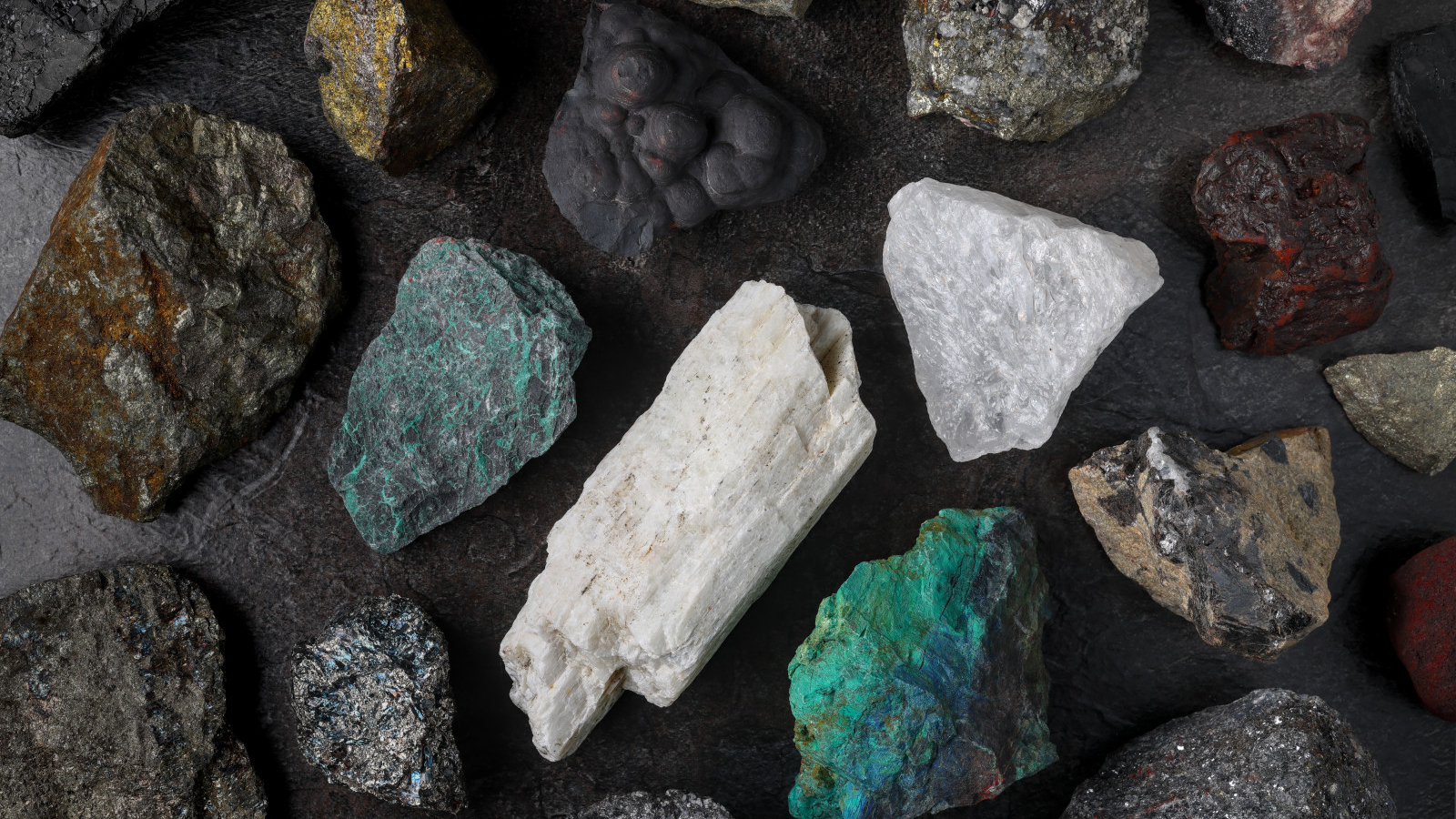
To go green, many companies in these sectors will need to redraw their business models. Where theypreviously relied on access to cheap fossil fuels, in the future, access to green hydrogen, renewable energy and critical minerals will be critical. Steel companies used to rely on access to cheap iron ore and coal. Now, many will need access to renewable energy and green hydrogen. Similarly, fertiliser production will rely more heavily on green ammonia, a green hydrogen derivative that requires renewable energy to produce. The centre of gravity for business is shifting to where renewable energy and green hydrogen are cheapest and most abundant.
Hydrogen, the mother of reinvention?
For some large companies, it will make sense to invest in- or develop their own green hydrogen projects. These projects, which are still relatively new, will come with their own set of challenges. Recently, we launched our project in East Kimberley to produce green hydrogen and ammonia, part of which will be sold to other regions in the world that have less favourable conditions to transition. As project developers, we believe this project is an excellent example of the opportunities the transition has to offer, and it gave us some great insights.
- Large hydrogen projects often need to be connected to captive renewable energy plants rather than the grid to ensure sufficient capacity and a truly green electricity mix.
- Cost dynamics are changing quickly, making planning difficult. Electrolysis and electricity storage, two key elements for green hydrogen production, are costly but are expected to become cheaper. As they do, the viability and location for green hydrogen projects will change, too.
- Firms that produce hydrogen derivatives such as green ammonia will need to reconcile traditional production processes, which often require constant electricity load, with the variability of renewable electricity.
- Gigawatt-scale power-to-X projects can take years to build, locking up large amounts of capital. To allow such projects to start producing smaller quantities before the project is fully finished, phased and modular approaches that operate subsets of the entire project need to be considered.
Embracing the future
Despite the challenges, companies are increasingly investing in and developing transformative new green hydrogen projects. Traditional steel giants like thyssenkrupp are investing billions into new hydrogen-based facilities. Newer companies like the Swedish H2 Green Steel are building their entire business plan around green hydrogen. Fertilizer producers like Yara are teaming up with the shipping industry to transport green ammonia to industrial hubs in Europe.
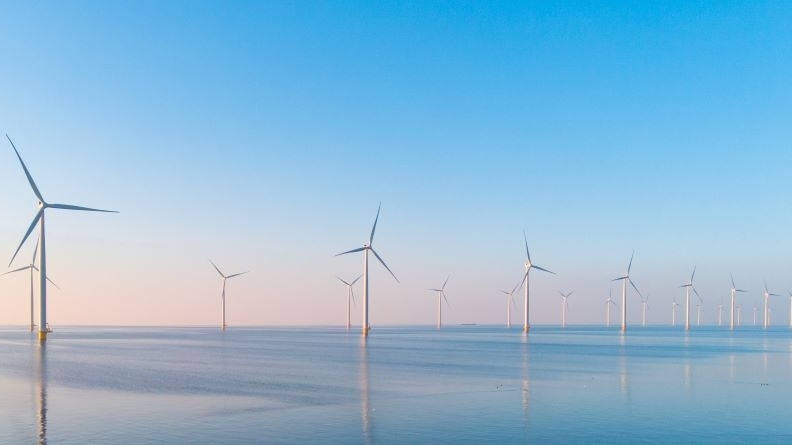
We hope that our East Kimberley Green Energy Project, the first of its kind in Australia, can be a positive example of how to thoughtfully invest in renewable energy and green hydrogen. The project will generate approximately a gigawatt of solar and hydro energy for green hydrogen and green ammonia production to help decarbonise the fertiliser industry. In doing so, we are converting prime renewable resources into what we hope to be a transformative business opportunity to produce green hydrogen.
We want to help others embrace the future and their transition to net zero. We believe that those steel, fertiliser, shipping and chemical companies that switch to green hydrogen-based business models early will stand the best chance to secure a prosperous future, both for themselves and the rest of us.
As an advisory, project development and investment firm, we at Pollination can help you on your journey, from strategic planning to financing, finding partnerships and developing projects. We have the expertise and resources to help you navigate the energy transition and seize its opportunities.