$42bn on the line: outgoing NYC comptroller pushes for BlackRock divestment
The outgoing comptroller of the New York City Pension Fund has put forward recommendations to terminate three public equity mandates, including a $42bn mandate with BlackRock, after several managers failed to meet climate reporting expectations
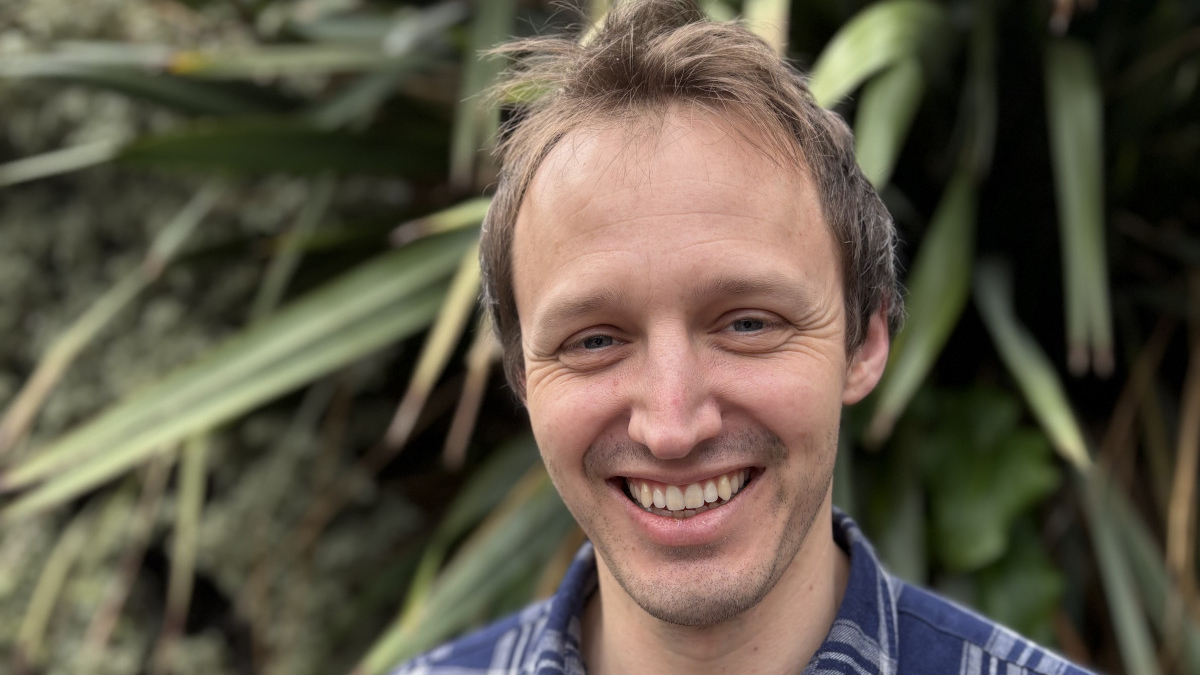
Outgoing comptroller Brad Lander has presented external managers with an early Thanksgiving message, announcing recommendations for a significant reshuffle of the System’s public market managers. Lander, whose term ends this year, oversees the assets of the city’s five pension funds. Together they manage $294.6bn, the fourth largest public pension plan in the United States.
In April, Lander announced new climate reporting expectations for both public and private market fund managers. Public market managers are expected to release decarbonisation plans by the end of June 2025, while private market managers will have an additional year.
Releasing the findings of this consultation, Lander reported that all 49 public market managers had submitted decarbonisation plans. However, three plans, submitted by BlackRock, Fidelity and PanAgora, did not meet expectations. He recommended that pension funds with mandates overseen by these managers take steps to replace them.
The recommendation carries particular weight for BlackRock, which currently manages US equity core growth and value mandates for TRS, NYCERS and BERS worth a combined $42.3bn. It would represent the largest divestment to date over climate alignment concerns. Earlier this year, the UK’s People’s Partnership withdrew $28bn from State Street over similar issues. BlackRock is currently the System’s largest external manager.
Fidelity would also be affected, with a $384m global equity small cap mandate for TRS at risk, while PanAgora could lose a $358m US equity small cap core mandate with TRS and NYCRS.
Explaining his position, Lander said that BlackRock had “bifurcated its climate stewardship approach” with “two co-existing but at times contrasting policies”. The manager offers its clients a Climate Decarbonization and Stewardship (CDS) policy compared with a Benchmark Stewardship Policy. Until recently, clients could only opt into the more comprehensive CDS policy if they delegated their proxy voting to BlackRock. Although these restrictions have now been lifted following pressure from the Systems, Lander said he continued to hold “significant concerns regarding BlackRock’s restrictive approach to engagement”, including a decision not to “pro-actively reach out to companies”.
He also raised dissatisfaction with BlackRock's engagement disclosures for US firms. Under SEC guidelines, investors holding a 5% stake in a firm must file a 13D form if they are to engage with that firm, which could impose practical constraints on the manager. BlackRock had told the comptroller that it could not do so as this would impact its index investing activities. However, comptroller Lander pointed out that other managers, including State Street, had, what he described as a "less constraining" approach.
He also added that the manager was fulfilling climate stewardship expectations for non-US companies. He recommended that the Systems retain BlackRock for its non-US equity index mandates and formally vote to join the CDS so BlackRock can engage those non-US companies.
A final decision on any divestment will be made by the boards of trustees of the individual pension funds involved.
Responding to these criticisms, Armando Senra, managing director and head of the Americas Institutional Business at BlackRock emphasised that his team had met the pension fund multiple times in recent months and accused the comptroller of the "politization of public pension funds" warning that
this "undermined the retirement security of hardworking New Yorkers."
The Systems have faced sustained public pressure to divest from BlackRock for several years. Lander told Net Zero Investor earlier this year that it was important such a decision was taken on “sound legal footing”. He stressed that “we are largely externally managed and we need our managers to be aligned with our decarbonisation goals”. He added that all managers would be subject to the same reporting requirements.
The recommendations were welcomed by Richard Brooks, climate finance director at StandEarth. “For too long, BlackRock has fuelled the climate crisis without significant consequence. Comptroller Lander’s timely recommendation to ditch BlackRock and put out to bid more than 42 billion dollars in assets under management is a clear sign that NYC is done risking workers' pensions at the behest of fossil fuel companies and delinquent asset managers,” he said.
Similarly, Reclaim Finance sustainable investment campaigner Agathe Masson said: “This should serve as a wake-up call to all asset owners concerned about the climate impacts of their investments. BlackRock is a major backer of fossil fuels, and therefore contributes to increasing the climate finance risks for its clients. All asset owners should recognize the risk that BlackRock poses to our common future, and act urgently to end their relationship.”
Incoming comptroller Mark Levine has already indicated that he shares Lander’s commitment to addressing climate change, though he has not yet commented on the recommendation to divest from BlackRock. During his election campaign, Levine highlighted major investments in green infrastructure that he supported during his tenure as Borough President, and he has been an advocate of congestion pricing.
This article has been updated on 26.11. to incorporate BlackRock's response.