The Pilbara trials: can miners kick the diesel habit?
Australia’s Pilbara region is becoming a testing ground for electrifying mining operations
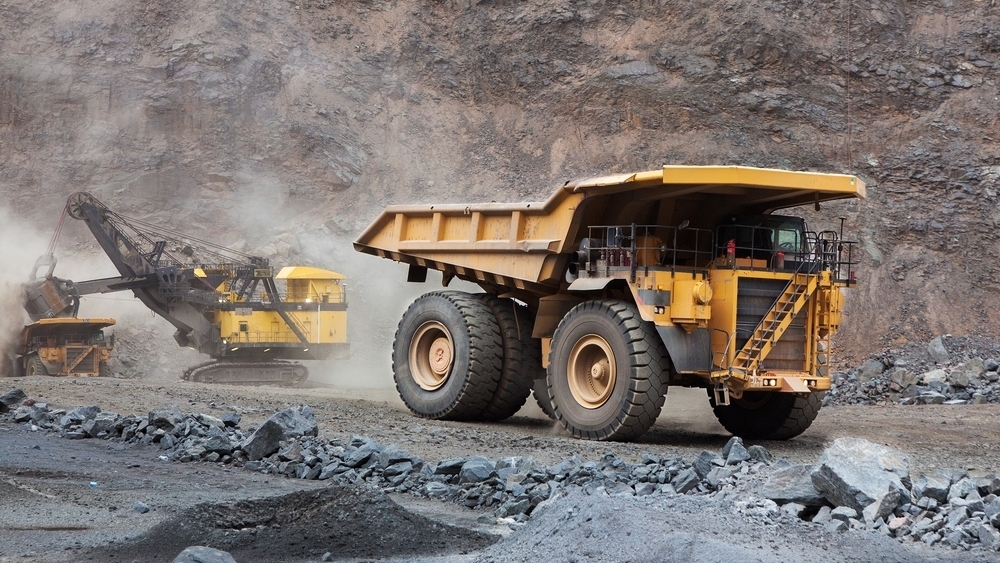
The Pilbara – a region in Western Australia – is home to some of the world’s largest mining operations. Its extensive iron ore deposits have attracted miners for decades. Two Australian behemoths – Rio Tinto and BHP – are using the Pilbara’s scale to test a linchpin of their decarbonisation plans: electric haul trucks.
The trucks, supplied by Caterpillar, have made it through 200 test laps and over 100 operational hours. The Pilbara proof-of-concept trials offer a testing ground for not only the technology behind electric haulage but also its operational and economic realities of electrifying mining at scale.
NZI Transition and Climate Investment Conference | 22 October | London | Register here
Costs
BHP’s recently published annual reports spotlight a key driver of electrification – diesel costs. For over 50 years, diesel powered trucks have overseen material transport at mines. A fundamental reimagination thereof in recent months, has much to do with the war in Iran and higher diesel prices that ensued.
BHP’s accounts show a $209m impact on EBITDA attributed to fuel price movements – primarily driven by diesel price inflation. Naomi Wagura, lead mining analyst at Accela Research adds context to the numbers.
“Accela’s research estimates that BHP spent more than US$1.5 billion on diesel in FY2025”, she explains. Noting the $209m cost increase in FY2026, she adds, “against the backdrop of continued volatility in global oil markets, it is in BHP’s best interest to accelerate the replacement of its diesel-powered mining equipment with electric alternatives”.
Electrifying operations has become the decarbonisation pathway of choice.
“Diesel combustion remains the single largest source of operational GHG emissions and the Group’s preferred option to displace diesel is via electrification”, reads BHP’s annual report.
However, BHP reckons kicking the diesel habit will take time. The miner expects deployment of diesel alternatives to be done in phases.
“It [BHP] does not expect large-scale deployment until after FY2030 and does not plan to accelerate its normal fleet-replacement cycles. As a result, material reductions in diesel use will not begin until well into the 2030s”, says Wagura citing the annual reports.
Staying electric
Diesel displacement accounts for a bulk of BHP’s decarbonisation expenditure. In FY2026, $65m in incremental operational decarbonisation expenses were incurred with diesel alternatives accounting for the majority.
“While BHP reported impressive earnings this financial year, with net profit up 16.9%, it allocated only $30 million to operational decarbonisation capital expenditure: less than 1% of group capex”, Wagura notes.
BHP’s list of target expenses extends beyond technology tests. “A key industry challenge is maintaining battery-electric truck productivity while managing charging requirements”, BHP says in its disclosures.
Next year, the company expects to commission charging infrastructure at its Jimblebar facility. Both dynamic and static charging will be investigated for commercial viability. Two years ago, the company allocated $250m to install an electric trolley system to support extraction trucks at Escondida Norte – a mine in Chile.
Back home in Australia, BHP is establishing partnerships across the electric technology universe. “BHP is now working with a wide range of equipment and technology companies, including XCMG, BYD, CATL, Siemens Mobility, Caterpillar, Wabtec, Progress Rail and Liebherr. These partnerships cover trucks, locomotives, and light vehicles, as well as the power and charging equipment required for electrification”, explains Wagura.
In so doing, BHP is also learning what staying electric looks like. Electricity demand, for instance, is expected to rise significantly as diesel makes its way out. Renewables could become part of the response. At last count, renewables accounted for 80% of electricity consumed at BHP’s operational assets. All of BHP’s Chilean mines reportedly run on renewables.
The company reckons the 2030 emissions reduction targets are within reach with a 33% operational reduction delivered this year compared to a 2020 baseline.
All in all, the Pilbara trials could set a powerful precedent. They offer a first-of-its-kind experiment of replacing diesel operations with electric alternatives – at a scale and intensity only the Pilbara could bring.
The trials are also bringing new lessons to the fore – the most palpable of which is the operational, financial and technological distinction between going electric and staying electric.