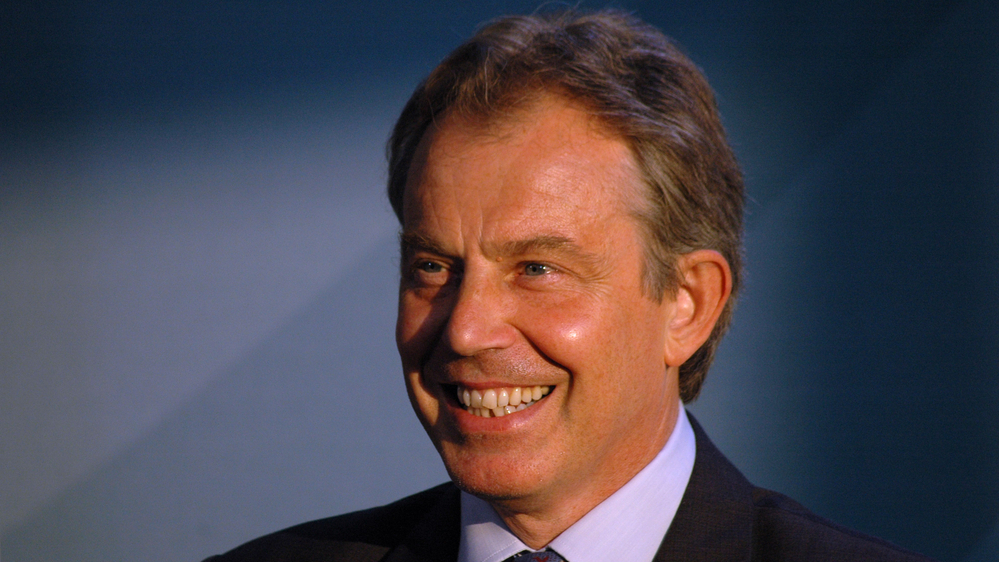
Blair’s net zero ‘reset’ plan dismissed as ‘muddled and misleading’ by climate experts
Leading climate economists have criticised a new report from the Tony Blair Institute for Global Change that calls for a strategic overhaul of global climate policy, warning that the paper misrepresents progress and underestimates the urgency of the crisis.
In The Climate Paradox: Why We Need to Reset Action on Climate Change, former UK Prime Minister Tony Blair argues that current strategies to achieve net zero emissions are politically and practically unsustainable without a fundamental rethink. The report suggests the world needs to focus less on near-term emission targets and more on investing in breakthrough technologies that can drive down the cost of decarbonisation globally, particularly in developing economies.
Blair calls for a new approach that prioritises international collaboration on clean technology, including nuclear power and carbon capture and storage (CCS), over rigid domestic targets. He warns that without such a pivot, the climate agenda risks losing public and political support. “We are pursuing the right goal in the wrong way,” the report says, arguing that progress to date has been “uneven and inadequate,” and that political will is being strained by the economic and social costs of current climate measures.
NZI Charities and Endowments Summit | 12/06/2026 | London
But leading climate figures say the report fails to account for significant progress and misrepresents both the pace and feasibility of current efforts. Lord Nicholas Stern, author of the seminal 2006 Stern Review on the economics of climate change and chair of the Grantham Research Institute at the London School of Economics, described the paper as “muddled and misleading.”
“There is far more progress being made around the world to decarbonise the global economy than it suggests,” said Stern, pointing to China’s dominance in renewable energy and electric vehicle deployment. “China’s power generating capacity from renewables has now exceeded that of fossil fuels and its emissions are likely to peak in the next two years.”
Stern also defended the UK’s climate leadership, warning that any backsliding could have global consequences. “If the UK wobbles on its route to net zero, other countries may become less committed. The UK matters,” he said.
Bob Ward, policy and communications director at the Grantham Institute, also rejected Blair’s argument that the transition needs to be slowed or reframed. “This report provides weak analysis and the wrong solutions,” he said. “It fails to recognise that the longer it takes to reach net zero emissions, the more that households and businesses will suffer.”
While Blair supports investment in CCS and nuclear as key tools, Ward argues that these are not the fastest or most cost-effective paths. “Faster deployment of renewables is the best way to speed up the transition,” he said, stressing that delaying decarbonisation would increase exposure to climate risks.
Both critics also accused the report of downplaying scientific urgency. “The report downplays the science in its absence of a sense of urgency,” Stern added, warning that delays will worsen the already evident climate impacts facing communities in the UK and globally.
The clash highlights deepening divisions over how best to achieve net zero as Blair's stance contradicts that of the current Labour government, which has declared decarbonisation as a key policy priority.