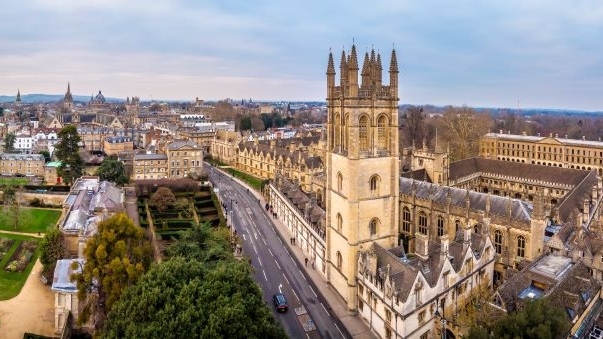
Oxford is poised to significantly reduce its reliance on fossil fuels thanks to a major low-carbon heat network backed by £21m in government funding and some £100m in private investment in a bid to meet the city's net zero ambition.
The Oxford Energy Network, developed by 1Energy, is set to deliver clean heat to some of the city’s most historic buildings and institutions, cutting gas demand by 10% and reducing carbon emissions by 15,000 tonnes a year.
While the government-backed Green Heat Network Fund (GHNF) is supporting the first phase of construction, the bulk of the project’s finance, over 80%, will come from private capital. 1Energy has secured an initial £100m from the DHUK UK Fund, managed by Asper Investment Management, an Article 9 fund under the EU’s Sustainable Finance Disclosure Regulations.
The fund plans to raise further private capital with total investment expected to exceed £500m by 2050 as the network scales across the city.
The project will supply low-carbon heat via underground pipes, preserving Oxford’s historic architecture while providing a sustainable alternative to gas boilers. Sources such as heat pumps will extract and concentrate warmth from the air, helping to decarbonise heating, one of the UK's biggest contributors to air pollution and carbon emissions.
Construction is expected to begin in 2026, subject to community engagement and planning approvals. Major partners include Oxford City Council, Oxfordshire County Council, the University of Oxford, and the Zero Carbon Oxfordshire Partnership.
1Energy’s CEO, Andrew Wettern, said the network is “perfectly matched” to Oxford’s complex needs: “Oxford’s historic character makes decarbonisation uniquely challenging. This network will be silent, invisible, and compatible with listed buildings, offering an easier and more affordable path for customers.”
The project is expected to improve public health by cutting air pollutants such as nitrogen and sulphur oxides by 168 tonnes over two decades, equivalent to removing 7,000 domestic gas boilers. A community benefit task group is also being formed to explore how the network can support social goals such as tackling fuel poverty and boosting local employment.
With aspirations to invest £1bn in similar projects across the UK, 1Energy’s model could become a template for low-carbon heat in other historic cities.