TfL pension fund: “decarbonisation is possible by doing sensible things over time”
Following the release of its net zero strategy in 2021, the £14bn TfL pension fund has now taken stock of its targets, reporting a significant reduction of its portfolio’s weighted average carbon intensity.
The fund, which invests on behalf of more than 84,000 Transport for London employees, has pledged to reduce its carbon footprint by 55% by 2030 and to become net zero by 2045.
Unlike many defined benefit schemes in the UK, it remains open and still has a significant allocation to growth assets, with more than a third of its portfolio invested in overseas equities, 13.6% in liquid alternatives and more than 10% in infrastructure projects.
The pension fund has now broken down its carbon reduction progress across asset classes, using the weighted average carbon intensity (WACI) per £ million in sales as a key indicator.
TfL revealed that the WACI of its public active equities and corporate bonds portfolio was now 18% ahead of its target. If this continued, the fund could hit its 2030 ambitions for listed markets five years ahead of schedule.
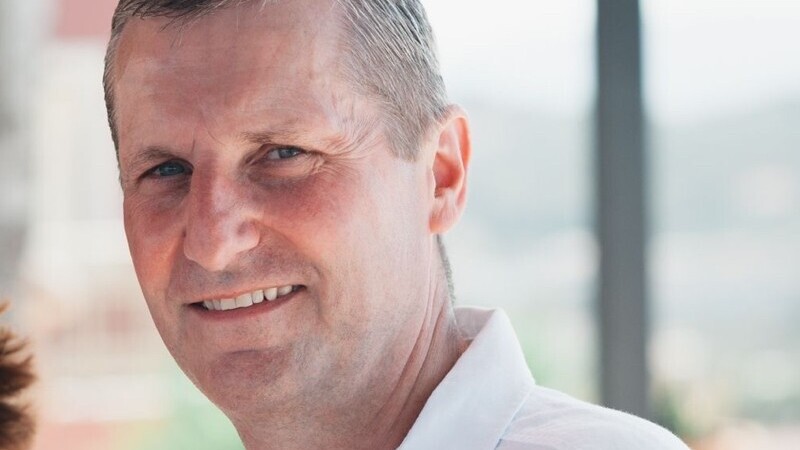
The trajectory was also positive for TfL’s private markets portfolio, including hedge fund allocations, where the fall in the fund’s WACI footprint was 7% ahead of target. “Nudging on allocations with underlying managers is clearly having an impact here” TfL CIO Padmesh Shukla told Net Zero Investor.
A fertile ground
"Net Zero Journey Update is an important document for me because it proves decarbonisation is possible by doing sensible things over time. As an open fund with close to 45% alternatives commitment, decarbonisation is both a challenge and an opportunity, as I see it from my CIO perch.
A challenge because private markets and liquid alternatives are just about catching up on the sustainability journey from reporting and integration angle, but a huge opportunity, at the same time, because they offer a very fertile ground to deploy investments in sustainable assets with much greater visibility and ability to influence and nudge net zero aligned activities" Shukla explained.
Shukla was also keen to emphasise the importance of carbon reporting across all asset classes: "Positive progress is possible in all types of strategies, some more so than others. The key thing is that ESG and climate risk assessment is now fully integrated in our investment process and we are in much better position to understand our managers’ actions and strategy, a 2-way learning process in many cases, and take corrective actions, where required, to implement our net zero commitments.
Having said that, we are mindful that there would be bumps on the road as there are still a fair number of known unknown variables from technology to profitable business models. We would in forever be in a learning mode, continuing to fine tune our actions by trying to make lots of smart, small decisions rather than large bets on fewer things or outcomes.
Hedge fund impact
2023 is the first year where TfL has measured the carbon footprint of its hedge fund investments with results varying dramatically by fund provider. For example, Bridgewater’s All Weather China Fund is by far the biggest contributor in term of carbon footprint with a WACI of more than 150.
In contrast, the impact of MAN’s Alternative Risk Premia Programme (ARP) is measured at a WACI of -25. The latter was due to the ARP fund being a long-short strategy and the WACI being a function of weighted long minus weighted short positions, Shukla explained.
TfL acknowledged that WACI trajectories can be non-linear but predicts that based on the data currently available, it is on track to bring down the carbon footprint of its portfolio by between 55% to 58% in 2030.
Stephen Field, fund secretary for the TfL pension fund told Net Zero Investor that while strong progress had been made, he recognised that progress on net zero would not always be straightforward. "As fund secretary, I have ensured that there is appropriate governance and resources in place that permits decisions being made, in a thoughtful and considerate way to support the long-term financial sustainability of the fund."
"Financial sustainability of the fund remains our core fiduciary responsibility, so nothing has changed on that front, but what has changed is how we think about it from a long-term risk-return perspective. There are rigorous internal debates about the medium to long-term trade-offs involved and what is the best possible outcome for the fund whilst seeking to avoid financial risks emanating from climate change and ESG more broadly" he added.
TfL pension fund has come under pressure earlier this year, with Leonie Cooper, chair of the GLA oversight committee calling on TfL to divest from fossil fuels.
TfL's current timeline predicts that it is on track to meet its targets predominantly through a mix of strategic asset allocation and climate tilting, with divestment accounting only for a 1% reduction of its carbon footprint.
__________________________________________________________________________________________________________________________________________
Padmesh Shukla will speak at this year's Net Zero Investor Annual Conference on 11 December. More information can be found here.
__________________________________________________________________________________________________________________________________________