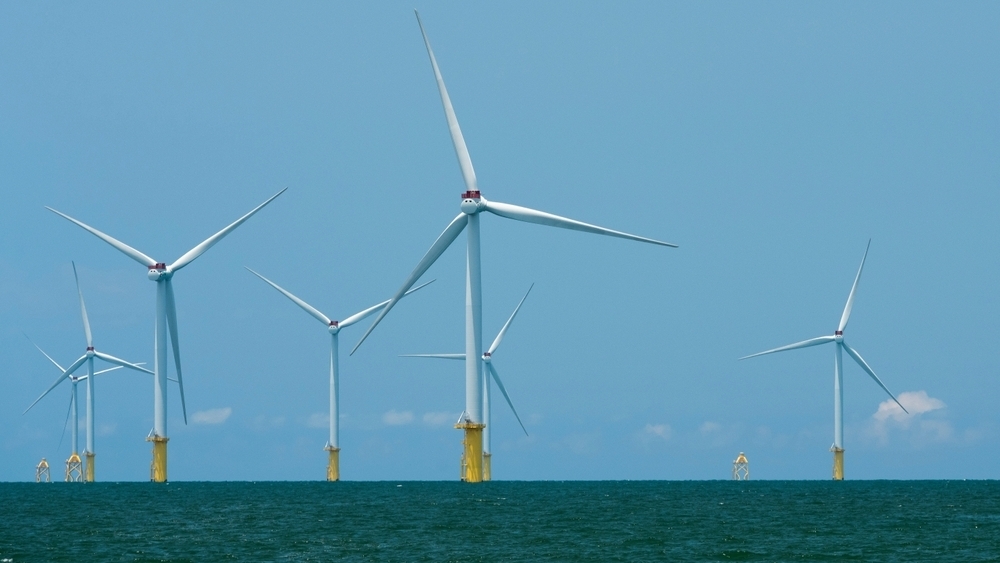
Gone with the wind: Britain’s £1bn transition investment bottleneck
While investor interest in renewable energy is rising, wind constraint costs have doubled over two years
As far as renewables are concerned, Britain’s grid has a problem of plenty. During the first quarter of this year, a record 53% of the UK’s electricity had a renewable energy source. Wind energy accounted for bulk of the share – nearly 30% of electricity.
Growth in generation capacity has historically outpaced the grid’s ability to transmit it. The UK grid therefore faces constraints in moving wind energy generated in Scotland towards the country’s southern demand centres. Costs – to turn down wind production and find alternatives – have risen sharply as a result.
NZI Transition and Climate Investment Conference | 22 October | London | Register here
This year, the cost of turning off wind farms has already crossed the £1bn mark – two months earlier than last year. In two years, wind constraint costs have nearly doubled.
Headwind
The numbers come from a tracker associated with Octopus Energy. The data shows wind constraint costs to be £300m higher than they were this time last year. They reached a daily peak on the 2nd of July – when £21m was paid to wind generators to turn down their production and gas generators located closer to the south, to turn up theirs.
The UK’s energy system operator (NESO) expects constraint costs to become a key headwind for the UK’s clean power 2030 plans. By the end of the decade, constrain costs could reach as high as £10bn.
“Britain has already spent a staggering £1 billion this year turning off wind farms and switching on gas plants instead – costs that end up on everyone’s bills”, Octopus Energy said in a statement.
“The way Britain’s electricity system is run is bonkers – you wouldn’t grow tomatoes in your garden, only to bin them and buy expensive, imported ones from the shop. So why are we doing the same thing with electricity?”, asks Octopus Energy chief executive Greg Jackson.
Investment bottleneck
The transmission bottleneck is becoming a vital headwind for institutional investors backing the UK’s transition. Manuel Dusina, head of real assets at Standard Life, echoes Jackson’s concerns.
“If you look at the amount of energy produced by renewable sources in 2025 and not used because of curtailment – it would have been enough to power London for 10 months”, Dusina told Net Zero Investor earlier this month.
“Transmission and distribution are key bottlenecks, not generation”, he outlined.
Nest, the UK’s largest provider of workplace pensions, has a long-standing partnership with Octopus Energy to back renewable energy generation. Over £1.3bn of members savings are already deployed in such assets. Last year, its renewable energy fund investments financed three new wind farms.
A 2026 investor survey conducted by Longview Networks in association with Schroders found investment interest in renewable energy infrastructure on the rise. 82% of respondents – all UK defined contribution pension providers – said these assets provide attractive opportunities.
Pricing change
Investors tend to view market reform as a viable path forward – in addition to grid investments.
“It really depends on the pricing mechanism. In the UK, it is still based on marginal pricing”, says Standard Life’s Dusina.
“In our view, this needs to be revised because otherwise the cost of gas will affect the overall price. So, reforms need to detach what is coming from clean power sources from what is not”, he adds.
With new UK leadership taking the helm, Octopus Energy’s chief executive reckons addressing the constraint costs challenge must come under policy focus.
“We should use this wind to give people cheap power locally, instead of paying billions to throw it away. That’d be a welcome relief for families and businesses – it’s low hanging fruit that should absolutely appeal to a government which is focused on cost of living and devolution”, he notes.
In April, the government published a plan to deliver a reformed national pricing mechanism. LCP Delta, a consultant, had analysed the reform a month prior.
The findings suggest a combination of measures under the pricing reform plan could reduce constraint costs by up to 60%. The plan also holds the key to reducing gas import dependence in Britain’s grid – contributing to greater energy security.
Against a backdrop of growing interest in transition infrastructure, the government’s pricing reform will be closely watched. Not least by investors for whom rising constraint costs are becoming a hefty headwind.