Resilience and pragmatism: voices on the ground from New York Climate Week 2026
Asset owners and industry experts share their key takeaways on AI, grid capacity and the need for collaboration in a challenging market environment
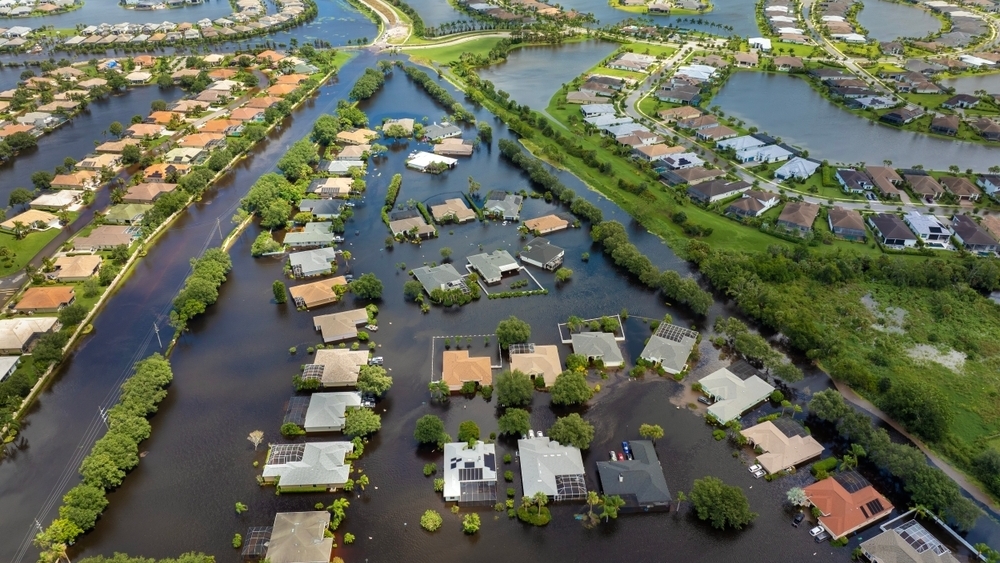
New York’s annual climate week is in full swing. This year’s gathering takes place against the backdrop of a summer dominated by drought and extreme weather and global oil prices hovering above $100 per barrel, with many delegates anxiously awaiting the full effects of El Niño. No wonder then that resilience and adaptation emerged as key themes throughout the week.
NZI Transition and Climate Investment Conference | 22 October | London | Register here
Resilience and mitigation
This was picked up among others by Hetal Patel, head of Sustainable Investment Research at Standard Life: “A clear theme emerging from New York Climate Week was the growing focus on resilience and adaptation alongside decarbonisation. While the conversation has evolved, recognising the physical impacts of climate change that are already being felt, there remains strong conviction among many investors and businesses that the transition continues to present long-term risks and opportunities.”
Questioning this focus somewhat, Max Messervy, founder and principal at Oakledge Advisors, said that while resilience was undoubtedly a defining theme, it risked overshadowing the need for mitigation. “It may be hard to argue that when 93% of new electricity generation was renewable in the US last year, but it’s a question of intentionality. This was a question that arose across multiple events – are we over-indexing on resilience?”
For Andrew Siwo, head of Sustainable Investments and Climate Solutions (SICS) at the New York State Common Retirement Fund, a key theme this year was optimism surrounding behind-the-meter solutions and investments that are less disturbed by interconnection challenges and existing grid capacity.
He also noted that many investors in the transition are currently playing their timing carefully, having to navigate unpredictable and lengthy changes to regional and local policies and permitting processes.
AI discussions
Another key theme during the week was AI, with some sessions highlighting its potential while others, including UN climate chief Simon Stiell, warned that “energy-guzzling artificial intelligence is driving up planet-heating pollution from coal, oil and gas while ratcheting up energy costs for households and businesses.”
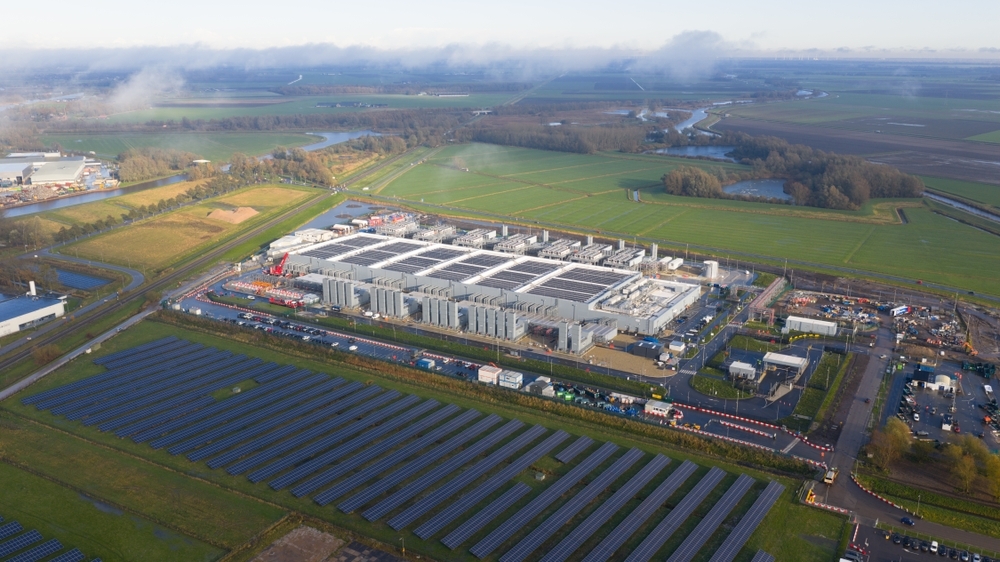
The tension was noted by Standard Life’s Patel: “We saw increased discussion around the role of AI, data centres and energy security, highlighting the need for practical solutions that support both economic growth and a more resilient future.”
For Siwo, the mood on the ground was dominated by pragmatism being prioritised over idealism. “Energy demands are constant and rising and there is a shared desire across stakeholders for cleaner and faster energy generation to support load growth.”
Key takeaways
Reflecting on the key lessons from the event, Siwo said: “There is a difference between what must be done and what can be done in the near term; areas of strong gridlock or that contain considerable policy risk are easier to resist.”
But he also added that public sector funding and incentives were necessary to spur innovation and spark investment appeal. “Mid-sized funds have gained more attention and can play a meaningful role in bridging funding gaps. Fund size discipline is consequential, particularly in a higher interest rate environment and during higher entry valuations that can affect net returns,” he concluded.
For Messervy, the key lessons to take home were focused on the need for collaboration against the context of an unpredictable policy and market environment. “No one institution or firm has all the answers or resources, and finding aligned partners to join you on the journey is essential for shared learning and value creation,” he stressed.
“We need to support our fellow travellers in this space. This is hard work, it need not be said, and many excellent companies and investment firms are struggling with the macro pullback in recent years, at least in the North American context, but I have heard more broadly as well,” he acknowledged. He urged investors and industry experts in the climate space to focus on collaboration. “We need well-meaning, thoughtful, and high-conviction organizations to exist through market cycles, and we’re certainly in a challenging one for sustainable finance right now. But the solutions coming to market are generally strong and increasingly aligned with fiduciary considerations, which is exciting,” he concluded.