Shell expected to double down on LNG push ahead of capital markets day
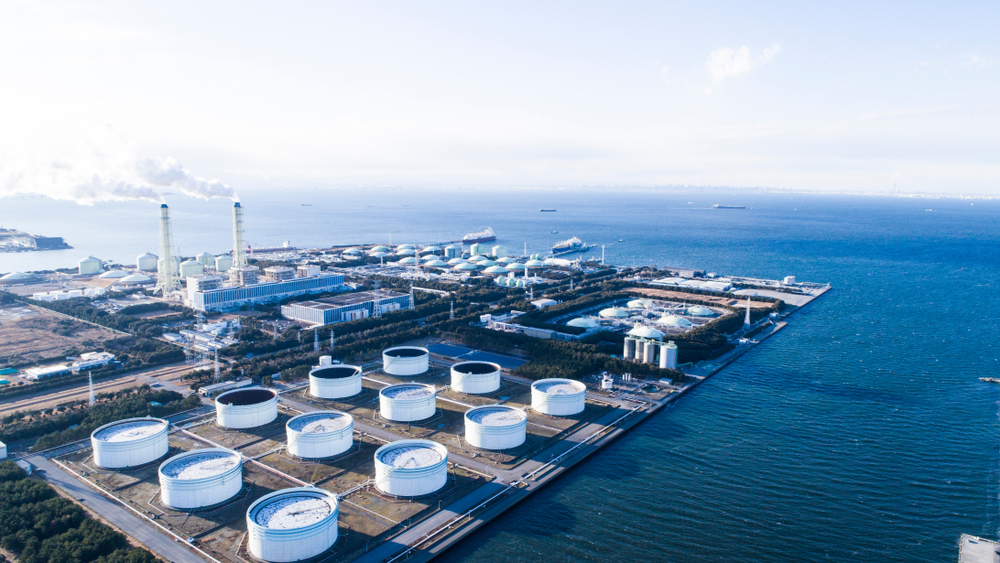
Global energy giant Shell is expected to double down on its efforts to expand its liquefied natural gas (LNG) business at tomorrow’s capital markets day in New York
Investors will learn more about Shell’s cost-cutting plans, as CEO Wael Sawan is widely anticipated to follow in the footsteps of competitor BP, scaling back investment in clean energy and reinforcing a focus on LNG, which the company describes as a “transition fuel”.
Earlier this year, Shell predicted that global LNG demand will rise by 60% by 2040, with demand peaking in 2039. Sawan is expected to outline how the company plans to capitalise on these bullish forecasts.
However, some long-term asset owners have questioned these assumptions, warning that a large-scale expansion of LNG production may not be compatible with the targets set out in the Paris Agreement.
Three UK Local Government Pension Scheme (LGPS) investors, Brunel Pension Partnership, Merseyside Pension Fund, and Greater Manchester Pension Fund, have co-filed a shareholder resolution alongside the Australasian Centre for Corporate Responsibility (ACCR), calling for greater transparency over Shell’s LNG expansion plans.
“Shell has more uncontracted LNG than any other independent oil and gas company, making it highly exposed to value erosion should prices be lower than planned for,” they argue.
Owen Thorne, responsible investment manager at Merseyside Pension Fund, commented on the motivations behind co-filing the resolution: “We are in the midst of a rapid energy transition, creating material risks to the business models of existing oil and gas majors. Given the direction of travel, investors urgently require enhanced disclosure to reconcile the high demand forecasts set out by Shell with the fundamentals of energy markets and the views put forward by independent energy forecasters.”
Lindsey Stewart, director of investment stewardship research and policy at Morningstar Sustainalytics, expects the expansion of LNG production to feature prominently on tomorrow’s agenda. Yet he remains cautious about the prospects of challenging Shell’s strategic direction: “When assessing recent AGM results, there has been little change in the proportion of Shell shareholders willing to challenge the company’s climate strategy, roughly 20% over the last three years.”
At the company’s most recent AGM, more than 90% of shareholders backed a scaled-back Energy Transition Strategy, the firm's share price rose by more than 8% since the beginning of this year.
At the time of writing, Shell’s three largest shareholders, BlackRock, Vanguard and Norges Bank Investment Management, each hold a stake of more than 3%. None backed the climate resolution filed last year.
Shell's AGM will be held on 20 May in London.