The Ländle goes green: inside Baden-Württemberg’s bond market drive
Arnim Emrich, head of treasury for Baden-Württemberg shares how the German federal state uses green bonds to meet its climate ambitions
The German Federal State of Baden-Württemberg might be better known internationally for its Black Forest cakes and Spätzle, but in recent years it has developed an entirely different export product, having emerged as a significant issuer of green bonds to fund its climate ambitions.
The southwestern state, locally dubbed the Ländle, borders France and Switzerland. It is one of three German states currently governed by a coalition of conservatives and the Green Party. Consequently, the state has introduced ambitious decarbonisation pledges. By 2030, it plans to cut its greenhouse gas emissions by at least 65% compared to 1990 levels, and by 2040 it aims to achieve full carbon neutrality.
As part of its wider climate agenda, the state has also pledged to invest its entire public portfolio, including the assets of its €14bn public sector pension fund, exclusively in Paris-aligned strategies. Fossil fuel holdings are being phased out.
Reaching net zero will be no easy task. Besides cakes and castles, Baden-Württemberg is also home to some of Germany’s largest car manufacturers, while transport and inefficient heat production add to the challenge. To help fund its transition, the state has been issuing green bonds for the past five years. This remains unusual: while the German federal government has become a major issuer of green debt, raising more than €17bn in 2023 alone, regional states have been slower to follow suit and have typically relied on development banks such as KfW for funding.
Not so Baden-Württemberg. The state, which had a budget expenditure of €66.6bn last year and holds AAA or AA+ ratings from major agencies, decided to go directly to the capital markets. Following its latest successful €800m ten-year issuance, Room151 spoke to Arnim Emrich, head of treasury for Baden-Württemberg, about how the opportunity set has evolved.
Widening scope
Much has changed since Baden-Württemberg first entered the market in 2021. Volumes have increased significantly, from €300m at the first issuance to €800m this year. This reflects growing climate spending within the state budget, as well as a broader understanding of the energy transition and climate adaptation, Emrich explains.
“We’ve been able to include more and more measures in the Green Bond programme each year that had not previously been reported by the ministries for inclusion. This year, for example, we added funding for flood protection, which contributes to climate change adaptation,” he says.
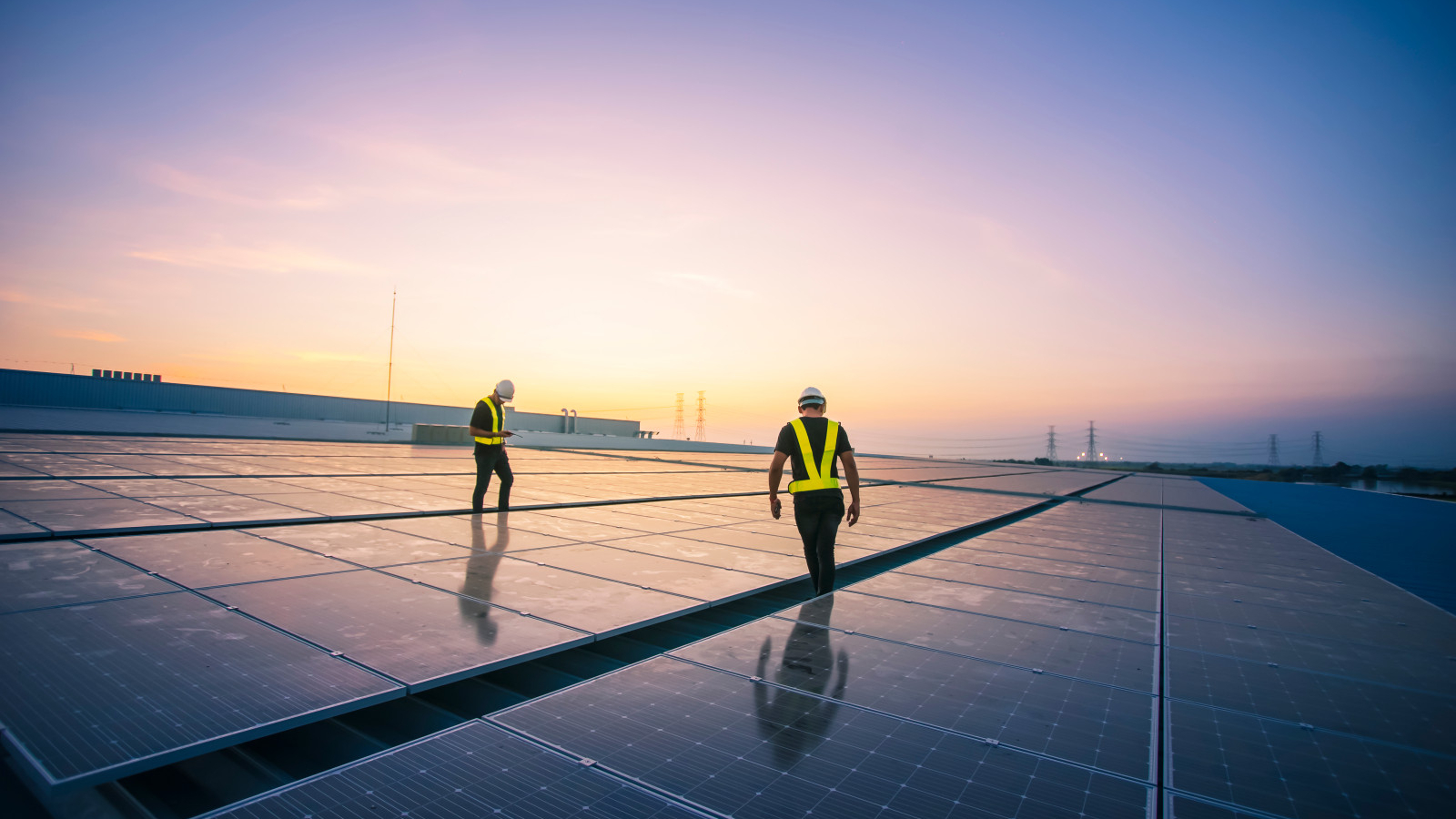
Decarbonising real estate has always been a cornerstone of the funding programme, Emrich notes, with housing accounting for a significant share of the state’s carbon footprint. The latest issuance also financed new photovoltaic projects.
“It’s important to us that the green bond is not purely a ‘climate protection bond’. We’ve regularly included projects related to biodiversity, sustainable water management and the circular economy as well,” he adds.
To strengthen transparency, the state has enhanced its reporting on the use of proceeds to help investors assess EU taxonomy alignment. While Baden-Württemberg is not yet issuing under the EU’s new Green Bond standard, just over half of its measures already meet the EU’s so-called “gold standard” for green bonds, which includes rigorous sustainability criteria verified by accredited reviewers.
Tight spreads and high demand
The latest issuance was met with strong investor demand, attracting orders worth €2.76bn from 89 investors. This allowed the treasury to allocate bonds to preferred buyers, Emrich explains.
“A large share of the last Green Bond went to banks, but we also had asset managers, central banks, insurance companies and pension funds participating. Due to the consistently high level of demand, we can decide ourselves who receives allocations. We make a point of ensuring that sustainable investors receive as much as possible,” he says.
In practice, more than 80% of the latest issuance went to investors with green mandates, two-thirds of whom were based elsewhere in the EU.
The strength of demand also led to particularly tight spreads, allowing the state to borrow slightly below conventional market rates and capture what Emrich calls a “greenium.”
“This is due to higher investor demand for green bonds. In recent months, we’ve been very active in investor outreach and have met with many investors in person, especially across Europe. That work has now paid off. Many of the investors we met bought the new Green Bond. We received very positive feedback; investors appreciate our high level of data availability and transparency,” he says.
A resilient market
The success of Baden-Württemberg’s green bond programme contrasts with a more challenging global picture. Worldwide, green bond issuance has declined over the past year amid greater investor caution and political pushback against ESG investing. Emrich acknowledges these headwinds.
“The volume of Green Bond issuance is naturally limited by the available eligible expenditures. Unfortunately, in recent years, other areas of public spending, such as defence, have regained prominence due to various global crises. As a result, environmental issues have temporarily receded somewhat from the spotlight. Nevertheless, those challenges remain unresolved and will, sooner or later, regain much greater public attention and importance,” he predicts.
“From a market perspective, however, demand for green bonds remains very strong, as demonstrated by our large order books and the clear pricing advantages compared to conventional bonds,” he concludes.