Growing returns: West Yorkshire’s Darran Ward on cultivating natural capital investments
The head of alternatives for WYPF explains why the fund is investing not only in forestry but also nature-based infrastructure solutions, sustainable agriculture, restoration and biodiversity projects.
As a real, inflation-proof asset with a long track-record of delivering stable returns, forestry is by far the most popular entry point into natural capital for pension funds.
Aligning with this trend is West Yorkshire Pension Fund (WYPF) and East Riding Pension Fund's recently announced £27m joint equity investment in Foresight Natural Capital, whose portfolio mostly consists of afforestation and established forestry assets.
However, what makes the Foresight investment different is that the money raised will enable the venture to explore other natural capital opportunities, such as Biodiversity Net Gain projects, peatland restoration and sustainable agriculture.
Pension funds have so far only dipped their toe in these emerging asset classes, though interest is on the rise.
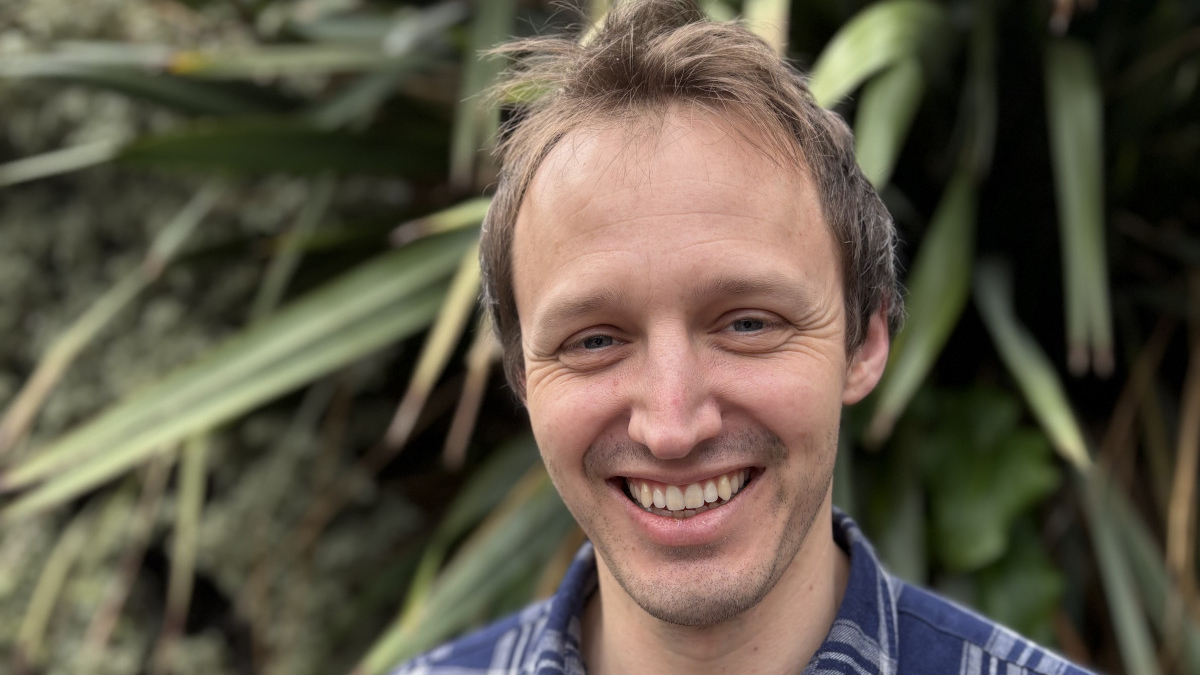
“There is a growing recognition among institutional investors that natural capital is a critical component of a sustainable and resilient global economy,” says Darran Ward, head of alternatives at WYPF .
Headquartered in Bradford, WYPF is part of the Northern LGPS pool and manages some £19bn in assets, it is one of the largest funds among the UK's 86 local authority pension funds.
Natural capital is a “small but growing subset” of the fund’s alternatives strategy, which accounts for around 5% of the overall portfolio and is designed to offer attractive risk-adjusted returns while aligning with their sustainability investment beliefs, Ward explains.
“By investing in natural assets such as forests, wetlands, and sustainable agriculture, we aim to enhance resilience, mitigate climate risks, and generate long-term financial returns,” he says.
Innovations in data technologies and impact measurement are making it “easier” to quantify the benefits of nature and natural capital investments, he continues. Additionally, there is increasing collaboration between public and private sectors to scale up these investments, which is essential for addressing global challenges and risks faced by pension funds and long-term asset owners.
Sustainable agriculture for resilience
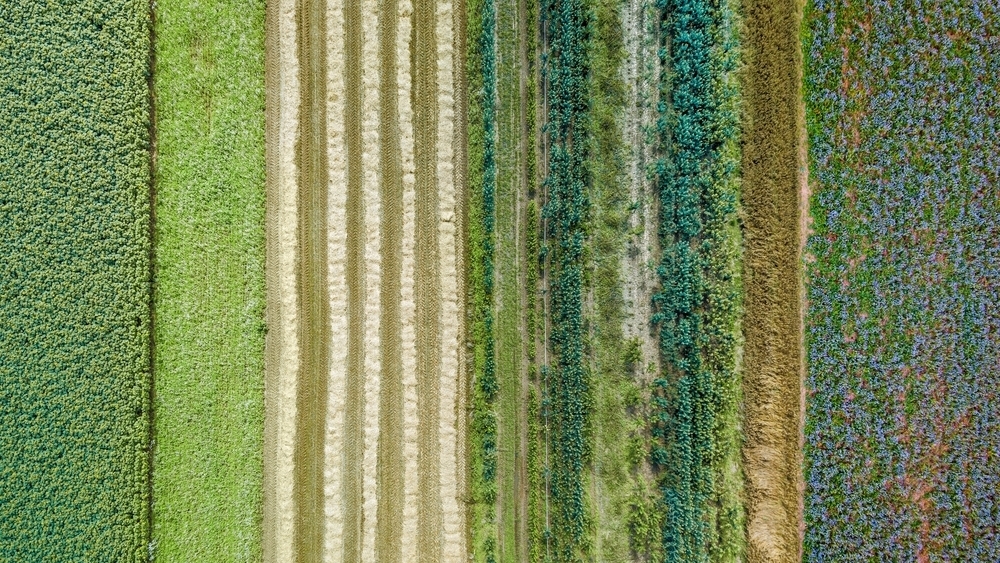
Sustainable agriculture consists of environment friendly methods of farming that allow the production of crops or livestock without causing damage to human or natural systems.
Such practices are gaining traction with pension funds who recognise their critical role in long-term economic sustainability and risk management, according to Ward.
As ecosystems degrade, soils deplete, pollinators decline and crop yields fall. This impacts everyone eventually, but agricultural businesses first and foremost.

The global food system in not only the primary driver of biodiversity loss but also responsible for around a third of annual greenhouse gas emissions. Given that half of the world’s economy is at least moderately dependent on nature, according to the World Economic Forum, ecosystem collapse would also precipitate a financial and economic crisis.
“As ecosystems degrade, soils deplete, pollinators decline and crop yields fall,” Ward explains. “This impacts everyone eventually, but agricultural businesses first and foremost.
Sustainable agriculture bolsters resilience by improving soil health and biodiversity, as well as reducing carbon emissions. Improved soil health then “reduces input costs” and thereby enhances investor returns.
“All in, this becomes a very attractive strategy for long-term investors,” he says.
However, like all new and emerging strategies, the main challenge is uncertainty. “Transitioning from conventional to regenerative agriculture involves a level of uncertainty and perceived risks, such as potential yield reductions or unfamiliar practices,” says Ward.
While the opportunities for excess long-term returns alongside environmental and social benefits are “substantial”, the risks can “rightly deter pension funds from investing without clear evidence of long-term returns and benefits”. Long-term asset owners should therefore “have the ability and capability to invest appropriate amounts into companies, technologies and asset classes of the future”.
Nature-based Infrastructure solutions
The Foresight investment follows another innovative investment made last November: that of Rebalance Earth, which specialises in nature-based infrastructure solutions for climate change.
Currently, most nature-based solutions are financed by public and philanthropic funds, while only around 14% of capital comes from the private sector, according to World Resources Institute.
Rebalance Earth aspires to attract institutional capital by offering predictable cash flows through mechanisms like Nature-as-a-Service (NaaS) contracts, which generate revenue from risk mitigation services, such as reduced flooding risk.
They also contribute to biodiversity and carbon sequestration, aligning with global sustainability goals, Ward explains.
One of the main challenges with any investment is quantifying expected returns and impact. This is particularly true for impact investments and innovative business models with limited track record in the market.
“Rebalance Earth’s innovative business model requires robust metrics to measure ecosystem services and their financial value,” Ward explains. They address these challenges by “leveraging advanced tech, utilising AI, geospatial analysis and open-source tools and data, and collaborating with experts to develop robust impact assessments”. This ensures “transparency and reliability” in West Yorkshire’s investment analysis, he argues.
Overall, the fund's investments in Rebalance Earth and Foresight Group reflect a strategic focus to “take active direct positions” in innovative solutions, such as climate adaptation and resilience, Ward explains.
While Rebalance Earth is “pioneering the concept of nature-based infrastructure, making it an investable asset class for institutional investors”, Foresight Group’s expansion into emerging natural capital assets is “critical for future growth”.