What happens when a city abandons its net-zero target?
News that Copenhagen had recently abandoned its net-zero targets raised eyebrows. Net Zero Investor considers what it means for investors.
With ambitions to become the world’s first carbon-neutral city, Copenhagen was one of the leading lights in the transition. However, the failure of a critical piece of infrastructure has meant those plans have now been delayed.
Despite achieving an 80% reduction in emissions between 2009 and 2022, the city said it would not be able to complete the remaining 20% reduction through carbon capture as the Amager Resource Centre, a waste-to-energy plant, did not qualify for state financial aid for carbon capture projects.
This has forced the Danish capital to push back plans to hit net zero by 2025, which has taken many by surprise, particularly as Denmark is ranked fourth in consultancy KPMG’s Net Zero Readiness Index. For investors, though, it has served as a reminder of how difficult the targets are to achieve.
We can’t just promise net zero by planting more trees because we’re going to need a space about the size of India for the number of trees we need to plant.
Making pledges blind
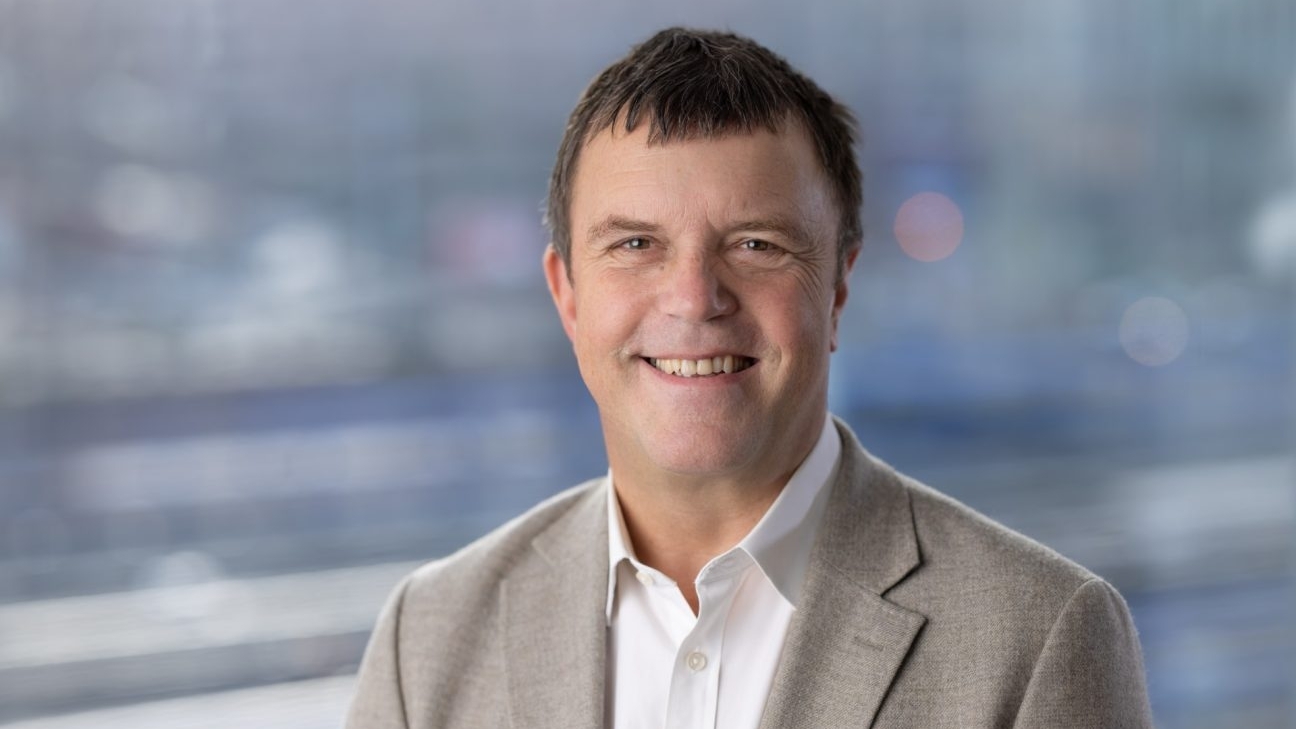
Mike Penrose, co-founder of The Sustainability Group, a consultancy helping organisations implement sustainable, just and profitable business practices, says Copenhagen’s admission that it would not be able to hit its ambitious targets was brave.
Copenhagen had made great strides toward net zero, says Penrose, and had been upfront about its ability to secure investment in the carbon capture infrastructure it required.
“It’s really important to understand that the ability to reach net zero depends on having confidence that technology that does not exist today will be developed,” he explains. “So, you have to make these pledges a little blind and agree to things that are, technically, not possible to achieve at the moment.”
Failures to hit net-zero targets might become more common, given the focus on a top-down infrastructure to help countries hit their net-zero pledges, says Penrose.
Instead, cities and countries should focus on a bottom-up approach to create an environment where all types of businesses make incremental improvements toward reducing their carbon footprints.
“We can’t just promise net zero by planting more trees because we’re going to need a space about the size of India for the number of trees we need to plant,” adds Penrose.
As many pledges are often voluntary, there is unlikely to be any legal action for suspending or postponing their emissions plans. However, it could prompt other countries, cities or regions with similar targets to reconsider how feasible their goals are, says Penrose.
Taking a long-term view
With some $6.9trn per year required until 2030 to meet climate and development objectives, according to the Organisation for Economic Cooperation and Development, the private sector will play an increasingly important role in helping cities and countries to achieve their net-zero goals.
“It depends on how long their view of sustainability and investment in sustainable businesses is,” says Penrose. “If they have a refined view, [failure to hit pledges] shouldn’t have any effect whatsoever because they’re looking at the value of their asset and the allocation of their funds against that value.”
The nature of the net-zero challenge requires a longer-term perspective, says Penrose.
“We work with a lot of venture capital and private equity investors to help them understand what to look for when investing,” he explains. “One of the things we always tell them is to take at least a three-to-five-year view, if not a ten-year perspective.
“Businesses that do that are more resilient, more likely to wear the shocks, and more investable. And ultimately, if you believe Warren Buffett, they’re more likely to be profitable and highly profitable because they have a long-term perspective.”
There is a huge opportunity, says Penrose, for the investment community to “pick up the banner” for net zero when cities or countries fail to meet their pledges and create an environment where businesses can cut their emissions incrementally.
“We believe it also gives [these firms] an edge – the ability to attract better and cheaper capital and deploy it into more resilient and better businesses,” he adds.