
Aegon AM’s Rory Sandilands: “Working with the refinancing lifecycle is key for bond stewardship”
Part 2 of Net Zero Investor’s Stewardship Series explores engagement strategies in the short-dated bond market
The immense scale of the global bond market, which reached $128 trillion in 2023 according to ICMA estimates, highlights the crucial role of bondholder stewardship in achieving net zero goals.
Opportunities take a number of exciting forms, according to the Institutional Investors Group on Climate Change (IIGCC).
Bondholders may engage directly at the entity and issuance level, encouraging the company to transition its business in line with net zero pathways, or think more about how climate risk is reflected in the use of proceeds, structure and covenants of the bond itself.
They may also adopt a collaborative approach that includes not only the issuer but also various participants across the corporate bond ecosystem, ranging from banks to credit rating agencies, regulators and other investors.
“Bond stewardship is not a short-term endeavour but is worth the effort,” said Rory Sandilands, co-manager of the Aegon Global Short Dated Climate Transition Fund, where bond stewardship underlines the investment approach.
Half of the money in the fund comes from local authority pension funds.
Net Zero Investor sat down with Sandilands to find out more about how bond stewardship works in practice.
Set up two and a half years ago, your bond climate transition fund is relatively new. What's the broader trend? Why are pension funds investing in these funds?
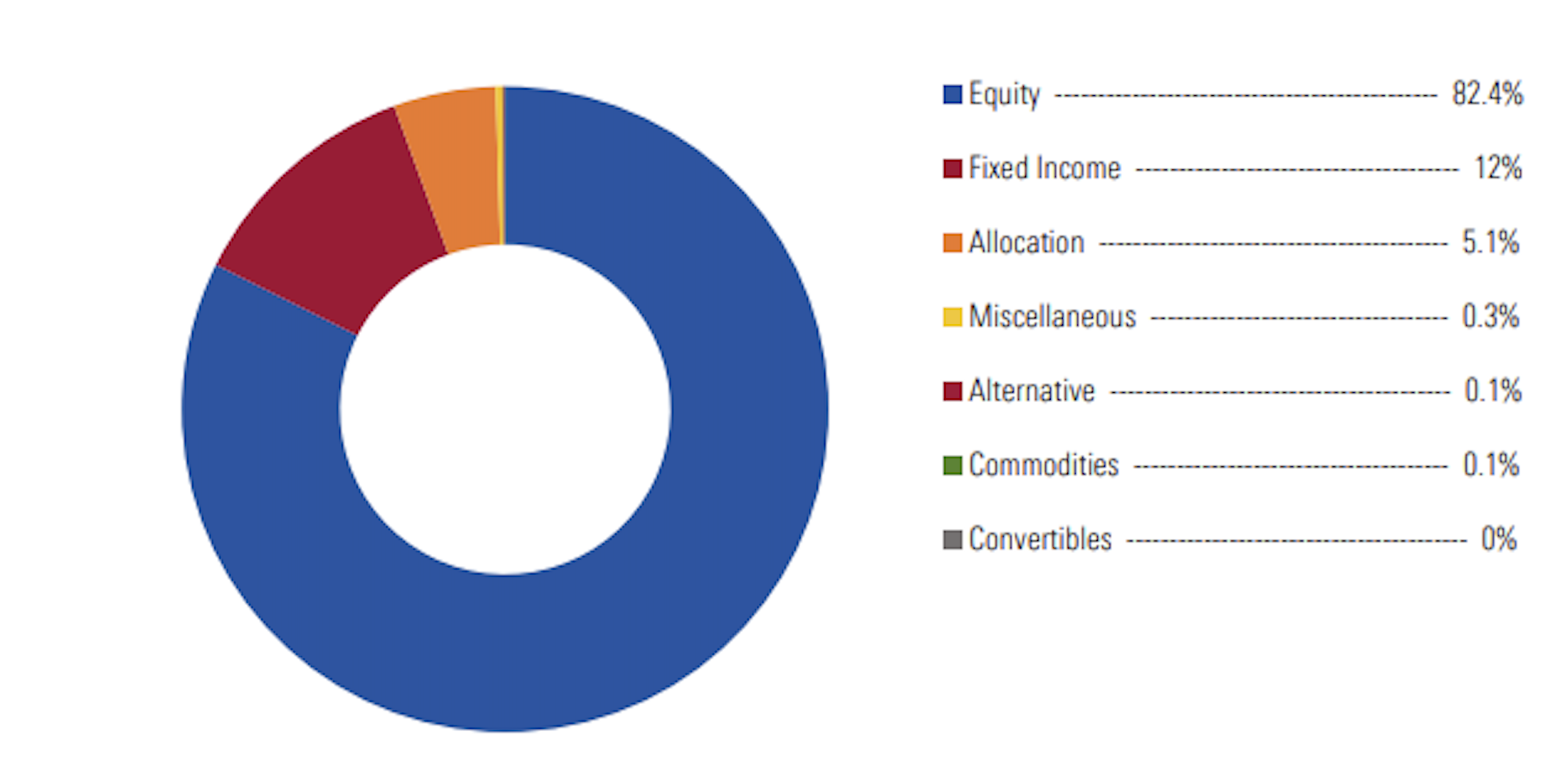
While equities dominate the global climate transition universe, bond funds are the next largest category by AUM.
Bond stewardship is not a new concept. However, the profile of engagement is higher because it’s inherent to a forward-looking investment process, as is the case with our climate transition approach.
Asset owners increasingly have net zero commitments and are therefore looking for investment solutions that help them to meet these commitments. An allocation to climate transition strategies can support asset owners to meet these commitments.
How do you approach bond stewardship?
There are two main stages to our engagements: assessment and action.
The assessment stage involves a careful analysis of the company’s net zero transition plan. We ask questions such as, What is the plan? Does it have a net zero target? Does it have interim targets? Are those targets sufficiently robust? Are they realistic? Are they achievable? How do they compare with what their peers are doing?
We also look at past efforts to reduce carbon emissions and whether the company’s corporate strategy aligns with its net zero pathway. For example, what are its capex plans? Do they look towards a net zero future?
Finally, we classify the company on a five-tier scale, from laggard to leader.
All of this requires plenty of thirty-party data, as well as our own data, and verification from organisations such as Science-based target initiative.
So you’ve made the assessment, what happens next?
Bondholders don't have a seat at the table. Nor do they have voting rights. That makes collaborative engagement – initiatives such as Climate Action 100+ – incredibly important.
We focus on names that are at the bottom or middle of our laggard-leader classification system.
Our sector-specific framework gives us specific things to ask the company. If they to do those things, they improve their category and we are better able to continue to invest in those names.
Many companies come to market time and time again. Understanding the dynamics of the bond refinancing lifecycle – especially for companies that depend on short-dated debt – is a vital part of bondholder stewardship practices. The banking and automobile industry, for example, tend to be heavy users of short-dated bonds.
If the company make no progress, then our ultimate weapon is not to re-invest in those names. We recently had to do this with a US insurance company.
Even if the company refuses all our attempts at engagement, we may not sell the bonds before maturity, as doing so could incur additional transaction costs.
That’s one of the advantages of being a short-dated fund. About 25% of our bonds mature every year. In comparison, a long-dated bond fund may have to keep non-responsive companies for longer, or incur more significant transaction costs by selling them early.
Do you invest in laggards?
We have invested very selectively in laggards in the past, yes. Investments in laggards – companies without a clear net zero plan – have focused on companies whose bonds offer an attractive financial return and whose sector peers have already established clear and credible transition plans against which we can measure the laggard’s performance.
It’s important to distinguish between companies which have a clear transition plan and companies which unable or unwilling to transition.
How do you know when you’re successful? Can you provide an example?
Successful engagement doesn’t happen with a single phone call or email. It requires constant dialogue and it takes a long time.
The challenge is getting companies to have that dialogue. Even with good intentions, companies take time to adapt and change. That’s why we ask them to move incrementally, relative to where they are.
Furthermore, evidencing the impact of an engagement is actually one of the hardest parts of the job. Even if the company does change, how can you prove that your engagement made a contribution? The company could also be following broader market trends.
One example is Ford. We engaged on their science-based and green financing targets, resulting in better insight into their climate transition plan and their emissions reductions targets.
Engagement is often about encouraging better disclosure and improving understanding.
How about oil and gas companies?
Although our framework doesn't exclude any sectors, we don’t invest in oil companies for two main reasons.
Firstly, their net zero transition pathway is extremely challenging. Unless you truly believe in relatively untested technologies like carbon capture and storage, it’s very difficult to see how an oil exploration company will align with net zero.
Secondly, the bond market isn't pricing in the risk of oil companies not having a transition plan, so they don’t offer good value relative to similar quality companies with clearer pathways.
It’s important to highlight that we are not avoiding carbon, only companies that don’t have a clear transition pathway.
We do have some exposure to gas through utility companies. European utilities have fairly robust net zero transition plans. They are looking at green technologies such as wind turbines and solar panels and could undergo a substantial reduction in their carbon footprint in the next few years.
Are there any other levers that bond holders can apply to exercise influence?
Bond stewardship is only one part of the transition puzzle. Equity holders must also apply pressure. Regulation is another a powerful tool, especially for public companies. Corporate change requires a combination of all these factors.
IIGCC's Mahesh Roy: engagement in private markets is critical for net zero
Dirty debt: rising yields put spotlight on carbon footprint of bond portfolios