AP7’s head of fixed income on climate opportunities in municipal bonds
AP7 is using municipal bonds to fund energy efficiency at local level, says the fund’s head of fixed income, Charlotte Sillén
Can bonds play a role in funding local climate ambition? AP7’s latest SEK500m commitment to local green projects via the municipal bond market offers key insights for its peers across the continent.
Through the purchase of SEK500m in three-year green bonds issued by Linköping Municipality, the pension fund will finance three local projects aimed at bolstering resource and energy efficiency.
The bonds will help fund a sorting facility at Tekniska Verken's sorting facility is an advanced facility that converts residual waste that cannot be recycled into district heating and electricity. They will also help fund Stångåstaden’s property in the Ebbepark area and a new senior housing development in Gottfridsberg.
Longview Networks Insurance Investment Forum | 20th January 2027 | London
AP7, the Swedish government agency managing some SEK1,807.9bn (£140bn) in DC assets, invests the bulk of its default Såfa portfolio in the stock market. However, as savers move along the glidepath from age 56, a growing proportion of their assets is invested in fixed income.
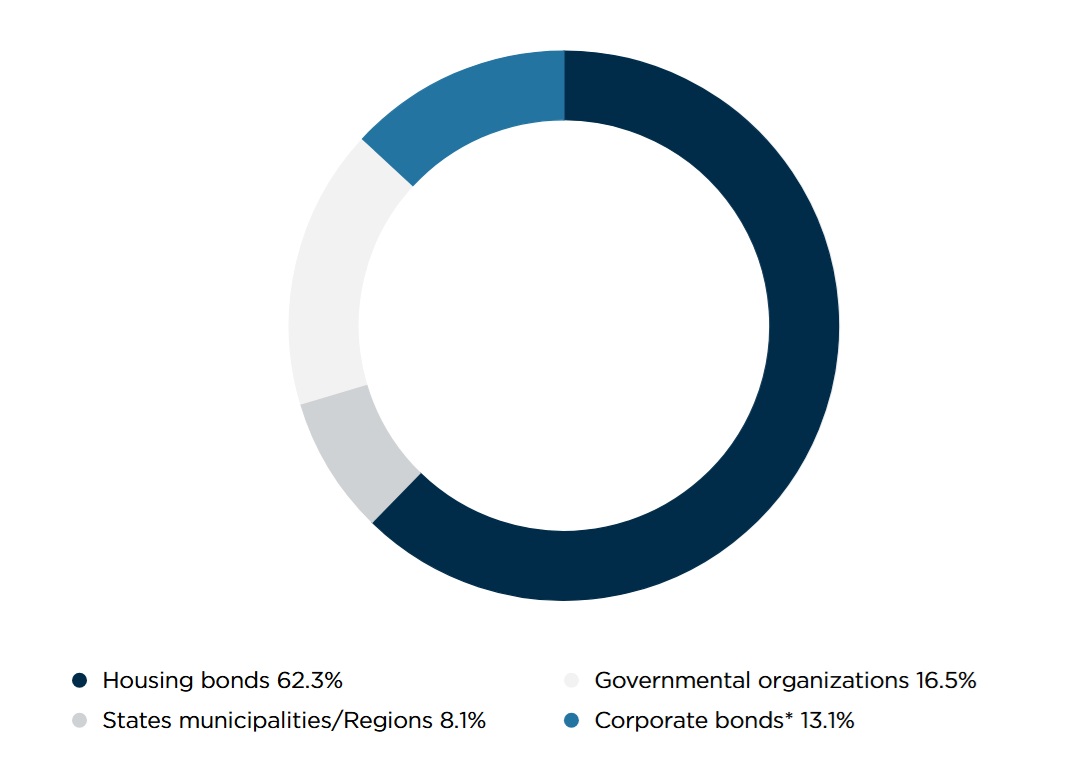
Like many of its DC peers across the continent, AP7 uses its SEK184.6bn (about £14.3bn) fixed income fund primarily to stabilise risks. Consequently, the fund invests mainly in Swedish interest-bearing instruments with low credit risk, such as covered and municipal bonds, with a duration of around three years.
But this doesn’t stop the portfolio from doing its bit for the planet and local communities, says Sillén. Just short of half of the fixed income portfolio is now invested in green- or sustainability-labelled debt, and the plan is to continue expanding allocations to labelled debt, she says.
“Green bonds can contribute to concrete investments in the transition, like here in Linköping. It is about both reducing emissions and preparing society for a changing climate,” she emphasises, adding that the latest allocation sits within the default fixed income portfolio rather than in a separate ESG sleeve.
“We invest in high-quality issuers that offer good risk-adjusted returns, and Swedish municipalities are a natural part of that strategy,” she explains.
Municipal debt accounts for more than 8% of AP7’s fixed income portfolio.
“Investing in municipals enables us to get a closer link to specific local projects, such as energy-efficient and climate-resilient infrastructure and climate adaptation in the case of Linköping, compared to a sovereign-issued green bond that typically finances a broader portfolio of eligible green expenditures. Municipal bond investments therefore provide another opportunity to engage. It allows us to exercise influence and communicate our expectations through our investment decisions,” Sillén argues.
The Linköping bonds carry a coupon of 3.275%, roughly 45 basis points above three-year Swedish government bond yields.
“Green bonds allow us to combine those investment objectives with financing projects that support climate transition and adaptation. In the case of Linköping, the investment met our financial criteria while contributing to resource-efficient, energy-efficient and climate-resilient infrastructure.”
The strategy has evolved over time from a focus on green bonds linked to already established sustainable activities to increasingly include investments that support transition in the real economy. “The market for dedicated transition bonds is still relatively small, however, but we see considerable potential” Sillén predicts.