The UK government has confirmed details of a planned ban on new North Sea oil and gas exploration, although projects linked to existing developments will still be allowed to proceed.
Coinciding with the autumn budget announcement, the Department for Energy and Net Zero released a strategy paper confirming that new fossil fuel projects will no longer receive approval.
Banning new oil and gas projects was a key manifesto pledge of the Labour Party. However, the proposals allow continued investment in existing fields. The main companies currently operating in the region include Shell, BP, Equinor, Harbour Energy and TotalEnergies.
Ed Miliband, the secretary of state for energy and climate change, emphasised the need for a just transition. He said: “We know the North Sea is a maturing oil and gas basin and production has been in natural decline for more than twenty years, with around a third of direct jobs lost in the last decade. There is an urgent need to plan for the future. That is why earlier this year we launched a dialogue with workers, trade unions, industry and communities about managing existing oil and gas fields for their lifespan, while seizing the North Sea’s huge clean energy potential.”
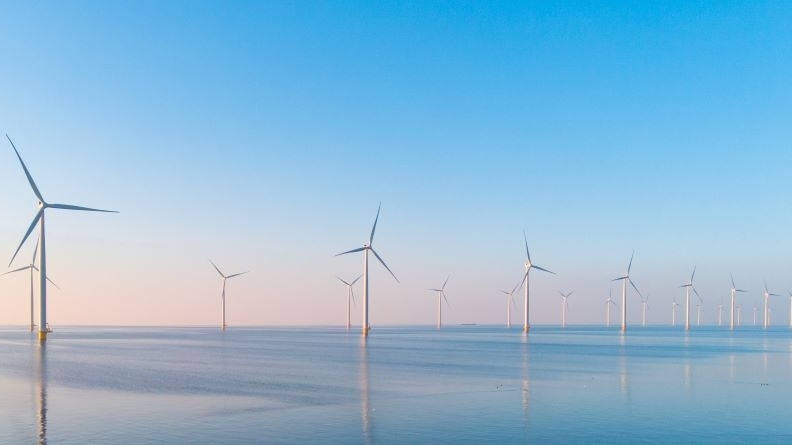
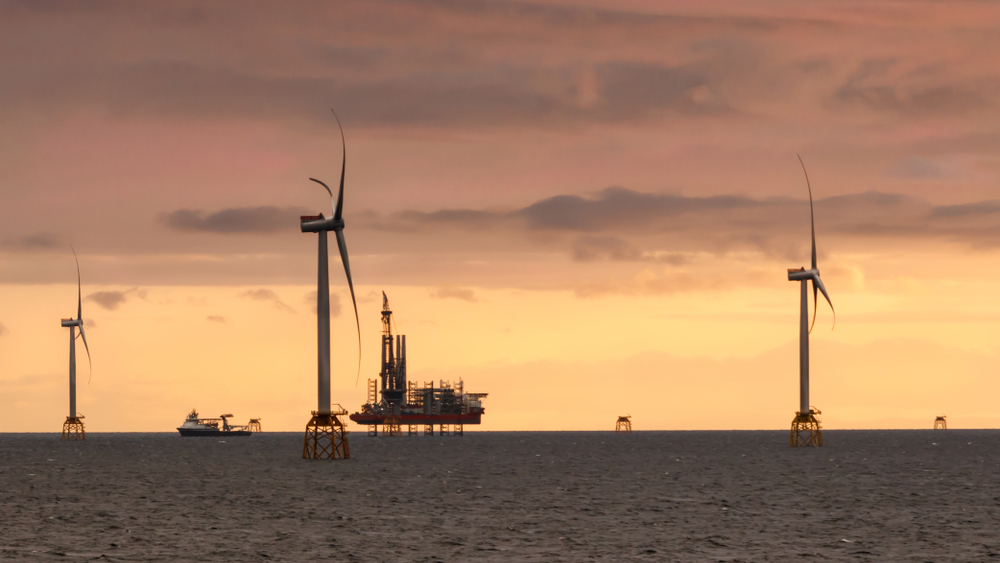
Miliband highlighted opportunities to repurpose existing oil and gas fields into renewable infrastructure assets, with workers from the sector playing a key role in the transition.
North Sea oil and gas extraction peaked in 2000 at 250 million tonnes of oil per year. The government forecasts a sharp decline over the coming decade, with annual output expected to fall below 20 million tonnes by 2040, and production fully phased out by 2050.
Doubling down on a pledge to boost carbon capture and storage, a technology contested by some climate scientists, Miliband noted that the government’s £21.7bn investment pledge to CCUS could be matched by £135bn of annual private investment by 2035.