UK government to merge UKIB into National Wealth Fund
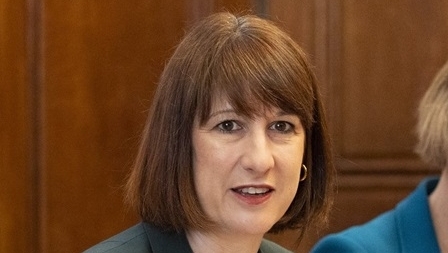
The UK government is set to merge the UK Infrastructure Bank (UKIB) with the recently launched National Wealth Fund, in an effort to secure more private investment in UK infrastructure and the country’s energy transition, chancellor Rachel Reeves announced today.
Speaking at an Investment Summit at the Guildhall in London, Reeves unveiled the merger, which will see the new National Wealth Fund managing approximately £27.8bn in assets. The changes will take effect immediately.
While the announcement provides an initial boost to the new fund, Reeves has reduced the commitments previously made by the UK government. When the National Wealth Fund was announced this summer, the government pledged to commit £7.3bn to the new structure, with the goal of attracting £3 of private investment for every £1 contributed by the government.
Net Zero Investor’s ANNUAL CONFERENCE | 24-10-2024 | BOOK YOUR PLACE
Currently, UKIB holds £22bn in assets, meaning the government’s contribution to the new entity will be nearly £2 billion less than initially promised.
The fund will be headquartered in Leeds, where UKIB is currently based. Its remit will expand beyond UKIB’s current infrastructure focus. Instead, the fund is now tasked with attracting private finance to sectors and technologies critical to the UK’s clean energy and growth ambitions, Reeves said.
Aviva CEO Amanda Blanc, who is part of the task force set up to kickstart the fund, welcomed the merger as "a significant step in the right direction."
“At Aviva, we are backing the UK and stand ready to invest even more to help boost growth, create jobs, and deliver net zero. We now need closer collaboration between government and business and greater speed to turn good ideas into investable projects that can make a real difference,” she added.
The National Wealth Fund will now expand its team, bringing in additional sector expertise to support its broader remit, the government confirmed.
Seven key steps the new UK government is taking on net zero - and investor responses