CDPQ: ’ It is essential not to contribute to increased oil and coal production’
CDPQ's Marc André Blanchard makes the case against investing in new oil and coal projects
Caisse de dépôt et placement du Québec (CDPQ) an investor for public and semi-public pension plans in the Canadian province, managing some C$434bn of assets, has fully divested from companies involved in oil production and coal mining, its Sustainable Investing Report has revealed.
The report outlined that in 2017, CDPQ held $8.9bn of oil and coal production assets, however as of 2023 the fund no longer holds any investments relating to the two fossil fuels in both public and private portfolios.
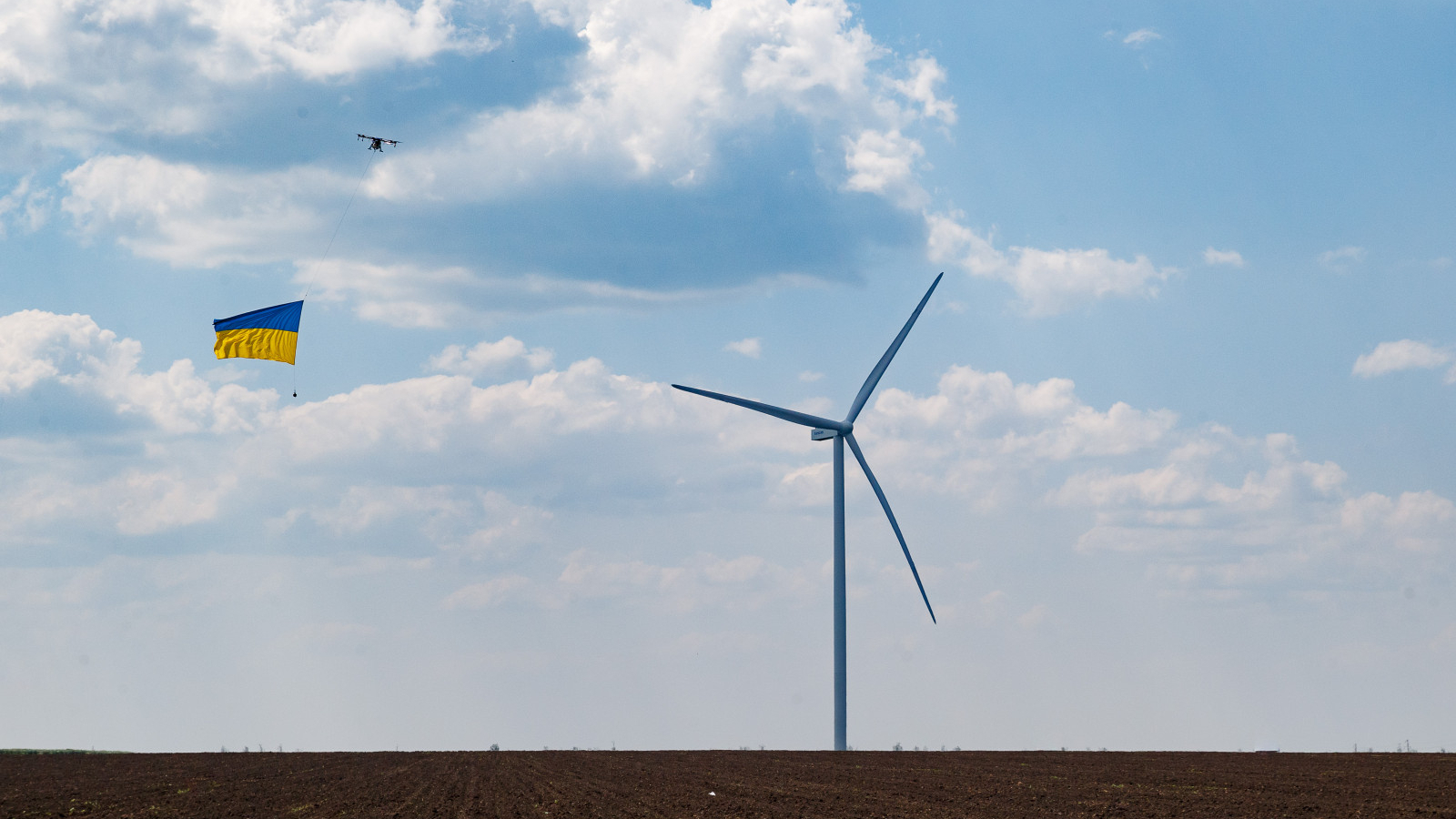
Instead, since 2017 the fund has increased its allocation to renewable energy assets from C$9bn to C$22bn as of 2023, the report revealed.
CDPQ has committed to achieving a net zero portfolio by 2050, to date, it has decreased its carbon intensity by 59% from 2017 a baseline.
“CDPQ’s conviction is: It is essential not to contribute to increased oil and coal production and to focus on renewable and transition energies" Marc André Blanchard, executive vice-president and head of CDPQ Global and global head of sustainability told Net Zero Investor.
“Since announcing our first climate strategy in 2017, we have scaled back the presence of large emitters in our portfolio and invested directly in the transition of the real economy, in line with our sustainability objectives,” he added.
Blanchard explained that shifting CDPQ’s portfolio towards energy transition assets has had a “positive impact” on its financial results.
“This climate strategy does not come at the expense of good yields, on the contrary, over five years in equity markets, we made almost $1bn more than if we had an oil exposure like that of the MSCI ACWI index.
“Across CDPQ’s portfolio, our investments in renewable energy generated more than 18% while the oil producers in the index generated around 8%,” Blanchard added.
Despite divesting from oil and coal, CDPQ still holds assets in natural gas at around $16m of assets. The reasoning behind this is that “although the supply of renewable energy is growing, it is unable to meet all the current demand for energy” the report explained.
This climate strategy does not come at the expense of good yields, on the contrary, over five years in equity markets, we made almost $1bn more than if we had an oil exposure like that of the MSCI ACWI index.

$53bn climate solutions
At the end of 2023, CDPQ had $53bn in low carbon assets, according to its Sustainable Investing Report. This includes $5bn in “transition assets”, which are investments that help bridge the gap between traditional fossil fuels and renewable energy sources.
For example, CDPQ partnered with Australian government-owned green bank Clean Energy Finance Corporation (CEFC) to invest $178m into agricultural land in Australia.
Blanchard told Net Zero Investor that CDPQ has also invested in emerging climate solutions such as green hydrogen.
“In 2022, we made our first investment in green hydrogen with Hy2Gen, a European pioneer in synthesising green hydrogen-based fuels that develops and operates green hydrogen and e-fuel production facilities worldwide,” he said.
CDPQ plans to continue to increase investing in green assets, focusing on those including emerging sectors such as energy storage and efficiency as well as green hydrogen.
Besides allocations to climate solutions, the CDPQ has also engaged on behalf of its existing holdings. In 2023 CDPQ conducted more than 308 discussions with 129 portfolio companies, with 9% and 6% of these meetings being over climate change and environmental risks respectively. It also voted on 37,536 resolutions at 3,635 shareholder meetings of portfolio companies, with 10% of these being environmental proposals.