‘Change is possible’: how the John Ellerman Foundation implemented divestment in pooled funds
The John Ellerman Foundation's push to exclude primary market fossil fuel financing from pooled fund investments offers a case study in how engagement with managers can enable asset owners to punch above their weight.
In 2025, the John Ellerman Foundation decided to update its exclusions policies, opting to eliminate primary market capital for fossil fuel infrastructure, thermal coal, tar sands and investments in tobacco from its portfolios.
The fossil fuel divestment targets are part of the Foundation’s ambition to use its influence as an asset owner to drive up responsible investing practices in the investment industry.
Longview Networks’ Charities, Endowments and Foundations Forum | 10 September | London | Register here
While the move in itself is not unusual, it posed some practical challenges for the £154.9m endowment, which invests mainly through pooled funds, restricting its ability to customise its holdings.
The challenge is likely to be familiar to other institutional investors opting for pooled vehicles, most notably the UK’s LGPS funds, who frequently find that their own responsible investment views do not necessarily chime with those of other investors in those funds.
The endowment decided to take on the challenge and flagged its ambition with its external managers, putting in motion a chain of events whose impact extended well beyond its own portfolio.
Know your limits
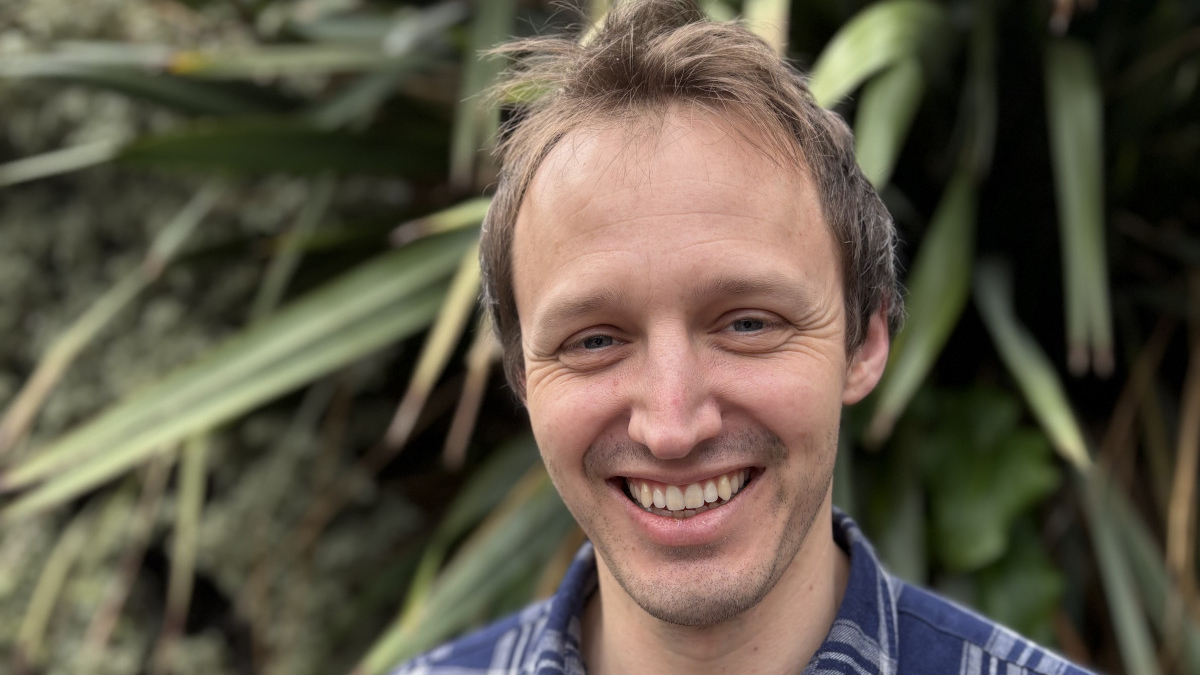
To have an impact, the endowment first needed to confront its own limitations, Alice Thornton, head of Research and Impact at the John Ellerman Foundation, explained.
"Divestment can be an effective tactic to influence company or investor behaviour, if your organisation has a strong public profile or well-known name. As a relatively small Foundation, in most cases we feel we can have a greater impact by engaging with our fund managers and the companies they invest in to encourage more sustainable practices."
While the John Ellerman Foundation invests with six external managers, the exclusions mainly applied to a pooled fund with three managers and a segregated fund with the fourth, explains Thornton.
While divestments for the segregated mandate were straightforward to implement, most of the remaining exposure was in a Diversified Liquid Alternatives (DLA) fund of funds managed by Fulcrum Asset Management. Implementing divestment policies for the strategy proved significantly more complex, given that the fund not only invests on behalf of other institutional investors, it also invests with 25 different managers.
Fossil fuel divestment: focus on primary markets
A defining theme for John Ellerman’s divestment stance is that it is focused on primary markets, based on the conviction that secondary market divestments generate little to no change, Thornton emphasises.
"We have excluded primary market investments in fossil fuel production and infrastructure, as we believe that providing new capital to fund the expansion of fossil fuel production is incompatible with our charitable aim."
"Our ambition is to use our endowment to drive real-world impact in service of our charitable aim. We feel that the real-world impact of excluding investments in secondary markets is limited – if the funds we invest in sell those shares, they will be bought by someone else, and there has been no real-world change," she argues.
This line of reasoning was well received by Fulcrum, as Matthew Roberts, head of Alternative Solutions at Fulcrum Asset Management, noted. Commenting on the collaboration with the John Ellerman Foundation, he said: "it is refreshing to work with an investor who is both very thoughtful and willing to listen constructively.”
“There is a misunderstanding across the industry about the impact of selling down fossil fuel exposure. The nuance of this policy makes a lot of sense, and that is what made those conversations with managers possible,” he shared.
Alignment
The job of implementing exclusions policies was to some degree made easier because Fulcrum already excluded tobacco, controversial weapons and predatory lending from its investments, leaving the manager to focus on fossil fuel financing.
Alignment with other investors also helped, Roberts added: “The fund is comprised of a number of institutional investors with very similar long-term objectives. We have been discussing these kinds of ongoing engagements with investors in the fund, and we believe there is very strong alignment around wanting to achieve this.”
Nevertheless, a significant degree of legwork was involved in putting the idea forward to the 25 external managers, he added: “It worked because we have longstanding, knowledgeable researchers in the team — particularly on the credit side — who developed relationships with managers and had challenging conversations over several years.”
A bit of perseverance played an important role. Going into depth on the topic, understanding why it was important, and being able to access the right people all mattered
In practice, this meant speaking to the nine fund managers running credit allocations for the fund, most of whom did not previously distinguish between primary and secondary markets for their exclusions policy. Following engagement with Fulcrum, one manager agreed to exclude primary market financing for fossil fuels going forward, while other managers were willing to engage but faced practical challenges due to the nature of their assets, such as CLOs or emerging market debt.
“A bit of perseverance played an important role. Going into depth on the topic, understanding why it was important, and being able to access the right people all mattered,” Roberts reflects.
Return assessments were also part of the discussion, he added. “We didn’t feel that the changes being made would have a negative impact on expected net returns. Even where there may have been potentially conflicting objectives, we didn’t see them as irreconcilable.”
Reflecting on the impact of engaging with managers, Thornton believes that the Foundation has been able to punch above its weight: “This is an example where a change in one small institution’s Investment Policy has shifted investment practices and led to a real-world impact – even though we are invested in a pooled fund and do not have full influence over the way it is invested. This is the type of impact we were hoping to achieve when we updated our Investment Policy."
She believes that there are lessons to be learned for other asset owners: "We must not be defeatist about the investment industry's ability to shift towards a more sustainable future for people and planet. Change is possible. But it requires clients to be vocal, and to ask for that change to happen. Our experience shows that when you ask questions, make a clear case and persevere, you will find people who are willing to be responsive."
More from the John Ellerman Foundation: 'Influence is built over time': Sufina Ahmad on long-term investing
Longview Networks Institutional Investment Conferences and Summits