Chris Stark: climate goals and cheaper energy can be squared
The outgoing head of Mission Control tells Net Zero Investor Forum the 2030 target is “not dead” and hints at changes to how the energy system is run
Only months after Labour took power in 2024, the government set out a bold vision for clean power: by the end of the decade, at least 95% of Great Britain’s electricity generation should come from clean sources, with carbon intensity falling from 171g of CO2 equivalent per kilowatt hour in 2023 to well below 50g.
At the helm of this daunting task, described by LCP Delta as “the most ambitious energy commitment any government has made”, sits a man whose job title wouldn’t be out of place at Nasa. Chris Stark was appointed head of Mission Control for Clean Power in 2024, but surprised the industry earlier this month by announcing that he would step down in January.
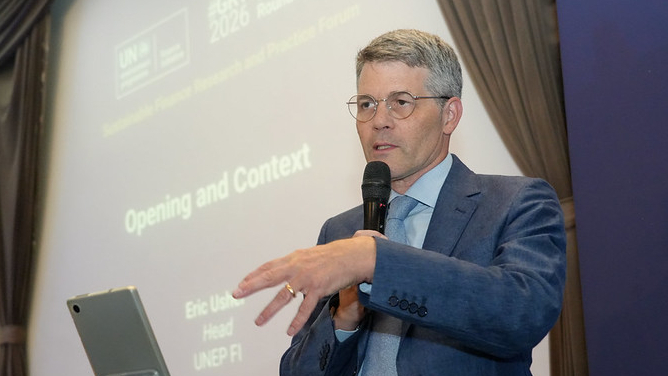
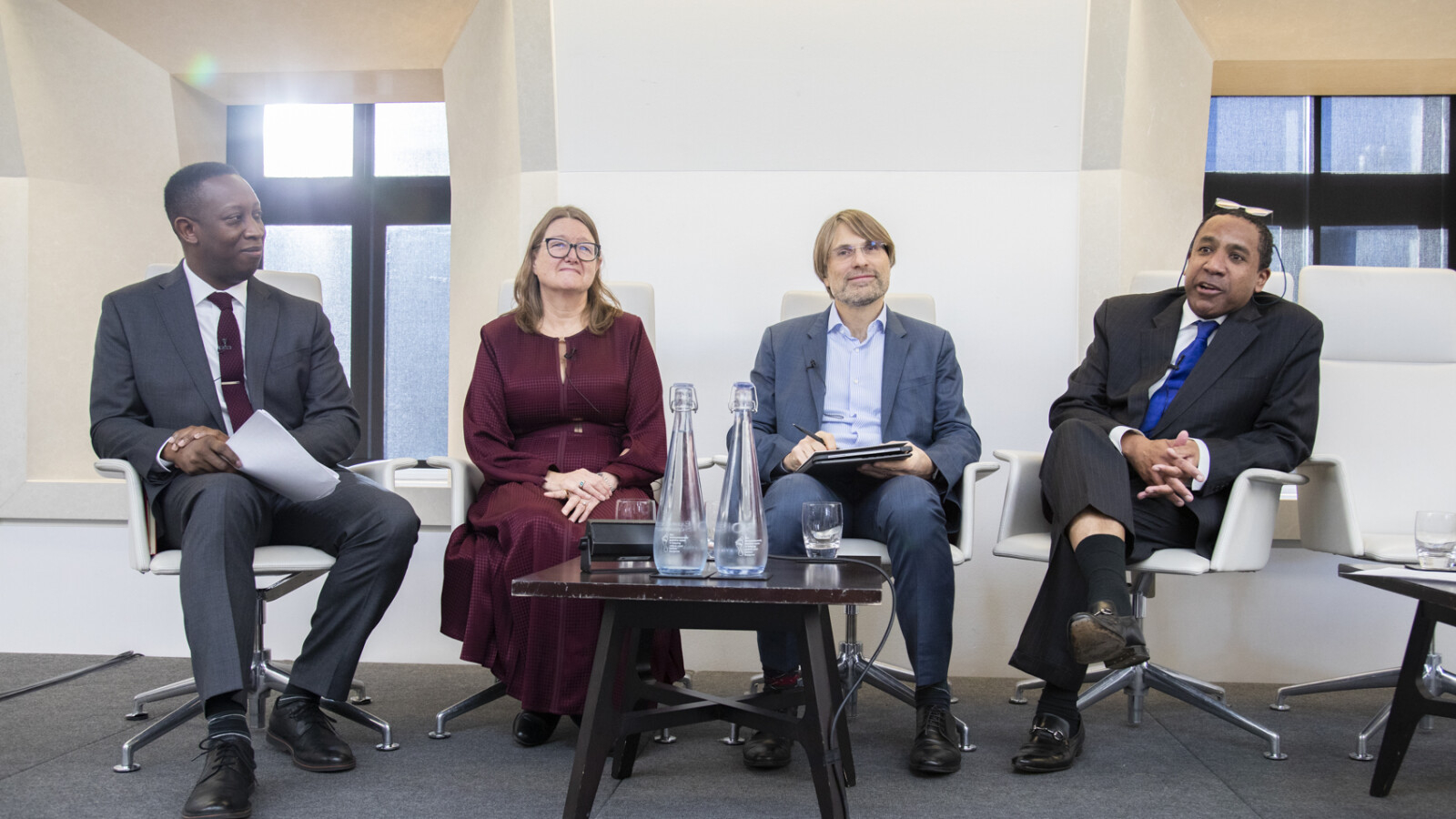
Speaking at Net Zero Investor’s Transition and Climate Investment Forum in conversation with Sulaiman Iliyas-Jarret, a former head of policy and strategy at the Department for Energy Security and Net Zero (Desnz), Stark argued that the target was still achievable.
Private markets and Portfolio Construction | 5 November 2026 | Central Court, London
There are signs that the Clean Power 2030 ambition has helped attract investment in the transition. The government says it has secured about £110bn of new investment commitments as of September 2026, and the latest renewable energy auction round attracted record levels of interest.
But amid a surge in global energy prices and mounting political concern about the cost of living, the target has come under pressure. Analysis by LCP Delta published this summer suggests that, with four years to go, only four of eight clean power technologies are on track.
According to LCP Delta, Britain is on course to meet 83% of its electricity demand from clean sources in 2030, with gas use forecast to fall by 52% compared with 2024. It estimates the target could be met by 2032 if deployment were accelerated.
A new environment
His departure comes as the government approved the controversial Jackdaw gas field. Speaking at the forum, Stark expressed his support for the new secretary of state for energy security and net zero, Miatta Fahnbulleh.
“We have a new secretary of state who, in many ways, is continuity, because her priors on this are very similar to Ed’s,” he said, referring to her predecessor, Ed Miliband. He acknowledged, however, that the conditions she faces are very different from those of two years ago, when Clean Power 2030 was drawn up.
He also suggested that ministers’ room for manoeuvre was limited: “It’s not like you sit with a lever in the secretary of state’s office that you can pull to make things happen.”
But he broadly backed the prime minister’s priorities. “I’m a climate guy. I’m in a room of people who I can say that to quite confidently,” he said. “I’m also sure that the priority that the prime minister has given her is the right one, which is to get the cost of energy down, and that’s for businesses and for households … But I also think that we can square those two things off and fit them together well.”
Beyond emissions, Stark argued that electrification was “fundamental to the functioning of a modern economy”. Pointing to the rapid growth of electricity’s share of energy demand in China, he said: “They’re not doing that for climate reasons. They’re doing that because that is a more efficient economy that makes better and more efficient use of energy.”
Greater control
A key obstacle to electrification is the complex relationship between the government, Neso, Britain’s publicly owned National Energy System Operator, and Ofgem, the energy regulator. “What I’ve found in this job is that those institutional arrangements are murky, they are unclear, and that is because of the way in which we’ve grown our energy system,” Stark said.
Hinting at the potential for reform, he linked the problem to the prime minister Andy Burnham’s push for greater public control of key sectors of the economy, describing it as “a desire to see greater agency over that system”.
Grid constraints
Grid delivery will be critical if the 2030 target is to be met, he said. Britain’s national grid dates back to the 1920s and was built around coal-fired power. Adapting it to the very different demands of renewable energy involves real physical barriers, he admitted. “We are in the middle of what will be, I think, the biggest upgrade to grid that we will do in anyone in this room’s lifetime,” he said. “It is so important that we get that right.”
He identified the main challenges as reforming the connections process, tackling demand-side issues and easing constraints on the system.
The government has introduced measures to reorder the queue for generation and storage projects according to their strategic importance. But Stark acknowledged that a significant gap remained on the demand side, in managing connection queues for new electricity users, particularly data centres and industrial electrification.
Mission accomplished?
Turning to the audience, Stark insisted that “2030 is not dead”.
“A lot of investors are in this well beyond 2030. If projects haven’t reached financial close by Christmas, they are unlikely to be included, so we are naturally now looking beyond 2030,” he said.
From an investor’s perspective, what mattered now was demand, he argued: “The next wave of investment is going to be much more determined by whether we are seeing the electricity demand that would require that investment in the first place.”
Stark suggested that his mission had been accomplished. “I’m leaving this job in January because I feel I’ve done the job of commissioning that system for 2030,” he said.
The numbers suggest there is still work to be done. But he argued that the reforms begun in 2024 had already made a significant difference: “We were really successful at changing the story here and attracting the attention of investors, and I think it was because we were so clear about what we wanted and were willing to put policy and regulation behind it.”