UCIM: dealing with ‘hard to abate’ sectors
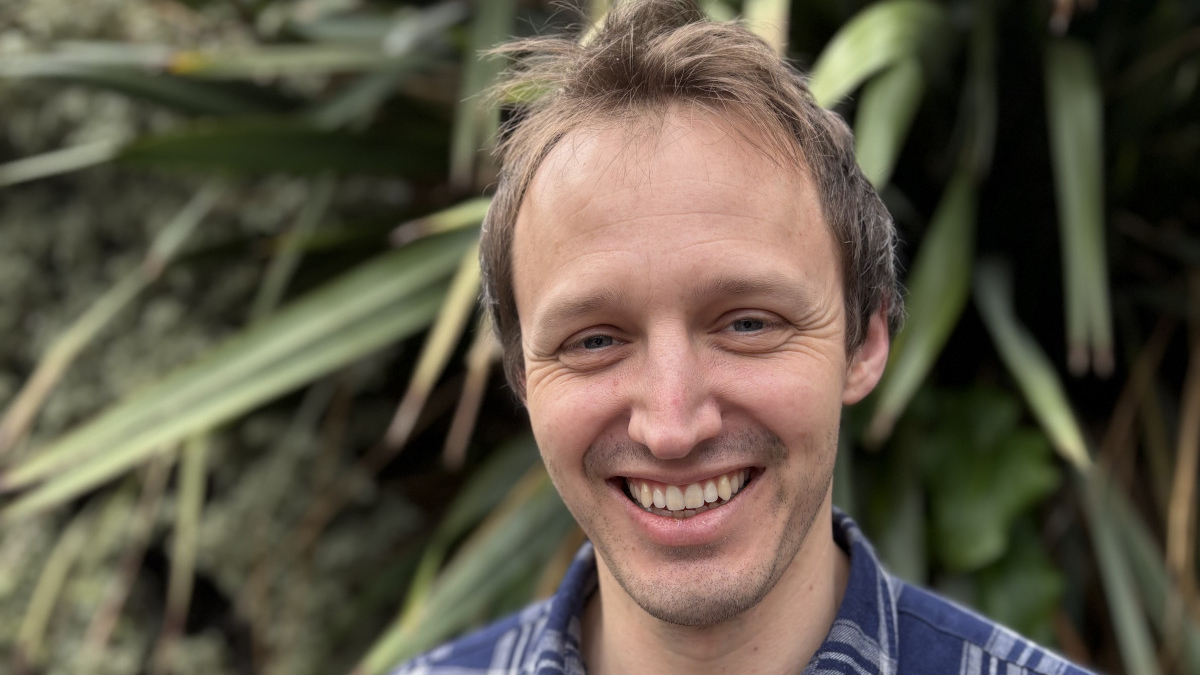
Honor Fell, sustainability lead and associate director at University of Cambridge Investment Management argues that asset owners shouldn’t put off the harder tasks on the way to net zero
Nearly one third of all global greenhouse gas emissions emanate from “hard to abate" sectors, such as steel production, cement manufacture, aviation and agriculture. These sectors often rely on fossil fuels or energy intensive processes.
Although the data and scale of the challenge stares us in the face, many low-carbon transition investment strategies to date have focused on relatively easy wins such as investing in energy efficient sectors and in renewable power generating assets.
Perhaps this is a very human response – the instinct to tackle simpler tasks first, or “clear the decks”, and then deal with the more complicated issue. But this is not something we can move down to the “to-do” list. Putting off the big projects is not an option in addressing the climate emergency or in dealing with potential stranded asset risk.
Potentially more so for the Cambridge University Endowment Fund since, in alignment with the University, we have an ambitious goal: for the portfolio to achieve net zero greenhouse gas emissions by 2038.
So how should asset owners think about tackling this challenge?
Success depends on using the full range of tools available – considering how to invest, implementing a comprehensive engagement strategy, and a commitment to transparency with stakeholders.
Our view is that asset managers that are committed to tackling heavy emitting sectors, with the expertise to drive change, will deliver value to asset owners, as well as society. Sourcing the best managers means having a high bar for all new entrants to the portfolio and places an emphasis on ensuring investors have a strong understanding of the resources and technologies for hard to abate sectors.
While energy transition specialists may be able to build portfolios designed to invest in and transform high-emitting business, we also observe many examples of some of the world’s leading asset managers embracing best-in-class sustainable investment approaches.
For example, a company invested in by a long-standing fund management partner has transformed from a waste management business to a circular economy platform providing customers in 80 countries with services across three platforms: recycle, comply and reuse. Focusing the company’s strategy on the economic, environmental and societal value to be created from circularity has also create significant value for shareholders.
Net Zero Investor's Annual Conference | 11th December 2023 | London
As an asset owner we recognise that net zero strategies are still new territory for the industry, and we therefore draw up detailed engagement plans for specific managers with significant exposure to high emitters with our portfolio to both challenge and support them. UCIM has created an additional layer of our support for partners – leveraging the University’s academic expertise in climate change, we developed a bespoke executive education course in partnership with Cambridge Institute for Sustainability Leadership.
The programme provides partners with the knowledge and tools to implement tangible changes in their portfolios. Since its launch in 2021, we have completed three cohorts of the programme for a total of 18 firms (around one third of our core partners), between them managing $150bn.
Our experience is that private equity firms can make substantial progress in a short space of time, due to the direct control they often exert. Following their participation in this programme, one European buyout firm put in place measurement for Scope 1 and 2 emissions and ambitious reduction targets for its entire portfolio.
Thirdly, the sector should ensure it provides appropriate level of transparency to inform stakeholders of their approach. Even though allocating towards heavy emitting sectors in combination with a high-impact engagement plan is the right thing to do for the planet, it may result in increased emissions in the short or medium term. Investors and other stakeholders need to understand this process; and that net zero ambitions might not be achieved in a perfect downward line. Asset owners as well as asset managers have a responsibility to improve understanding of this process and promote the longer-term benefits of such an approach.
We know that the requirement to deal with hard to abate sectors is an urgent responsibility. We also know it presents opportunities. Progress can be made more quickly than some might imagine. So, let’s be ambitious and push it higher up the to-do list.
Honor Fell will be a speaker at this year's Net Zero Investor Annual Conference on 11 December 2023 in London. Further information about the event can be found here.
University of Cambridge Investment Management Limited (“UCIM”) is the organisation that manages the Cambridge University Endowment Fund. UCIM is authorised and regulated by the Financial Conduct Authority.
With assets of £4 billion, the Fund deploys a global, unconstrained, multi-asset and long-term investment strategy, aligned with the University’s objectives, including the ambition to achieve net zero greenhouse gas emissions by 2038.
Founded in 2008, Endowment Fund supports the University of Cambridge with distributions that fund over 1,000 projects and programmes, including scholarships, bursaries, teaching and research into some of the most critical societal issues, such as life sciences, conservation, climate change and technology.