Bilateral Article 6 agreements are vital to scale up SAF
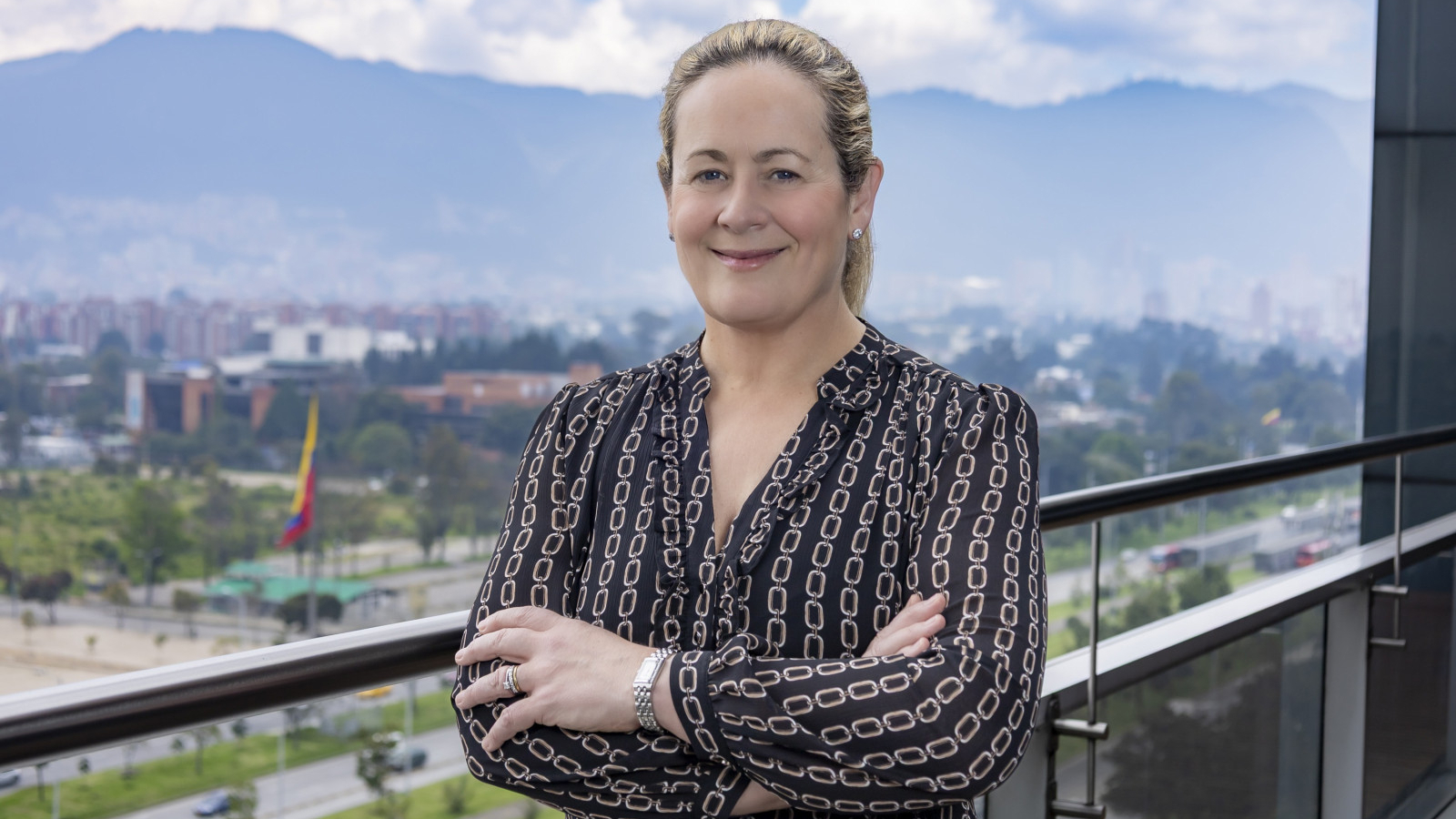
Ahead of COP30, Maria Del Mar Whittaker, chief corporate responsibility officer at Latin America’s Abra Group, says bilateral Article 6 agreements are key to scaling up sustainable aviation fuels (SAF)
The global aviation industry stands at a defining crossroads. It is caught between the reality of its high carbon emissions, expected demand growth and the barriers to scaling and adopting the complex array of emerging sustainable and technological innovations. Although accounting for a relatively low share of global emissions relative to other sectors, it is one of the most difficult sectors to decarbonise which represents a huge challenge. This is particularly critical in Latin America, where aviation serves as a fundamental enabler of connectivity, territorial cohesion and economic development in ways that differ markedly from more mature markets in Europe, Asia and the United States.
Achieving net-zero aviation by 2050 is ambitious. Emerging markets passengers generally travel less, and increasingly in newer, more efficient aircraft which also tend to carry more passengers per flight leading to lower emissions intensity per seat flown. In line with the UNFCCC common but differentiated responsibilities principles, the realities of developing countries with relatively smaller environmental footprints and urgent economic needs must be considered. Our industry must collaborate globally, and quickly, to unlock and optimize the decarbonization solutions available today and those needed for the future across all regions.
SAF scaleup challenges
According to the International Air Transport Association (IATA), SAF could deliver as much as two-thirds of the sector’s global emissions reductions by 2050. Yet today, SAF makes up less than 1 percent of global aviation fuel use. This gap must be closed – with haste but also in a truly sustainable and just manner. Global demand for Sustainable Aviation Fuel (SAF) is expected to reach more than 400mn tons by 2050. SAF demand from developed countries with limited feedstocks is expected to surge particularly in the EU, UK, Japan and Singapore. Developing countries with existing renewable fuels infrastructure and feedstock availability such as Brazil can seize the opportunity to become SAF exporters at scale but face significant challenges:
- Financing for SAF projects is limited due to the lack of long-term off-take agreements from airlines. High domestic fuel prices, regulatory complexity, and economic uncertainty are holding investment back.
- Fuel costs represent around 40% of Brazilian airlines operating costs and regional customer demand is highly sensitive to price.
- In 2023, the Brazilian Airlines Association (ABEAR) found that Brazilian jet fuel was as much as 50 percent more expensive than in the United States – driven by domestic pricing policies, taxes, and currency volatility.
- Based on current global market developments, the cost of SAF could be over 4 times higher than the average price of conventional jet fuel
- At these price points, it will not be feasible for countries to scale SAF adoption without ticket prices increasing materially, sacrificing customer affordability, territorial connectivity and economic development in their domestic markets. There is simply no realistic economic model for SAF without support for the end customer and limited leeway from developing country governments with numerous other priorities to provide it.
Moreover, there are multiple pathways to producing SAF – including waste oils like used cooking oil, biomass including agricultural residues, oils from agricultural crops, municipal solid waste, algae and other advanced bio-based materials. Despite the variety, not all feedstocks deliver the right climate benefits, and some raise serious concerns around land use and nature impact in relation to biodiversity and water at systems level.
A blueprint for collaborative financing
At ABRA Group – one of Latin America’s largest airline groups owning Avianca, a Colombian airline, Gol the second largest Brazilian airline as well as Wamos, a wet lease company, we lead in terms of operational efficiencies and seek to identify solutions which are pragmatic, workable and rely on existing mechanisms and frameworks which can be adapted to solve some of the intractable challenges for our industry. We believe SAF can be one of the long-term solutions available to aviation if it complies with two key sustainability principles:
- Financial sustainability across the value chain and regional markets
- Environmental sustainability: protecting against unintended consequences by focusing beyond carbon emissions reductions. Any solutions must also consider potential impacts on nature (understood as water & biodiversity at landscape and systems level)
Developing countries with SAF production capabilities such as Brazil, can and should supply the world with the SAF needed, but the investment model does not work due to the relative cost of SAF vs jet, the financial reality of regional airlines and potential resulting impact on connectivity and economic development. Currently, the key barrier to investment in SAF projects is ultimately price; and without resolving the issue of demand, SAF projects are not securing the financing needed.
We believe collaborative solutions, where advanced economies support the development of the industry in developing countries, are the future and will provide credibility to unlock financing, reduce implementation costs for all involved and provide assurance for the true environmental sustainability of SAF. Through our active participation in regional SAF policy conversations and established network across multiple Latin American countries, we are uniquely positioned to help shape these collaborative frameworks.
Today, we are proposing leveraging the Article 6 framework of the Paris Agreement to channel investment from developed economies with limited SAF feedstocks to developing countries with SAF production potential via bilateral Book and Claim agreements. Such arrangements would have three key benefits:
- Unlock financing to produce SAF in the most cost-efficient locations
- Consolidate SAF production under international norms and standards to avoid damaging domestic-only policies
- Protect the sustainability of SAF at scale by enabling the highest environmental standards as required by developed economies and passengers with the ability to pay
Proposal: leverage Article 6 bilateral agreements to enable collaborative financing of SAF
SAF importer countries, for example Japan or Singapore, can unlock financing of SAF projects in developing producer countries by entering into long-term offtake agreements for the emissions reductions delivered by SAF in the form of SAFc (Scope 1) certificates. A portion of such emissions reductions would be contributed back by the developed country to the producing country for the latter to achieve its own objectives under its NDCs –therefore avoiding double counting. Domestic airlines in producing countries would enter long-term offtake agreements at Jet fuel prices and become the enablers of this bilateral book and claim system under Article 6. Other third parties such as multilateral agencies can also provide additional temporary support until the price of SAF reaches long term sustainable levels for all.
The motivation for developed countries to do this can stem from various factors:
- The desire to ensure energy security through bilateral agreements in a multilateral world, support key allies or national champions with access to feedstocks at scale
- As a strategy to reach its own NDCs via the use of carbon credits in the form of SAFc’s while supporting renewable energy markets
- As a strategy to enable more cost – and emissions-efficient SAF for its domestic airlines to reach their own NDC targets (since neither SAF or its feedstocks need to be transported under this mechanism and SAF can be produced in more cost-effective jurisdictions)
Other third parties can eventually also be involved in this collaborative cost sharing arrangement such as multilateral agencies who can support Revenue Assurance mechanisms for a period of time and airline customers who can contribute through payments for their Scope 3 emissions reductions generated by this system.
All parties benefit
We believe this system addresses key challenges but also distributes the benefits fairly and across all participants. Governments of developed markets achieve their emissions reductions and energy objectives, developing countries unlock financing to build renewable energy industries, increase employment and knowledge sharing, while their airlines can continue to provide the essential connectivity needed to support economic development. Developed country airlines potentially benefit from access to high quality, cost effective SAF to complement that produced domestically, and SAF producers can access financing needed by demonstrating secure long term offtake agreements under Article 6 therefore unlocking production of SAF at scale around the world to serve the needs of the airline industry.
Aviation as an enabler of opportunity
In Latin America, aviation represents far more than a transportation system. It is a key enabler of inclusion, access, and development, connecting people to markets, education, healthcare, and economic opportunities. That’s why any transition to cleaner fuels must preserve and enhance aviation’s vital role in economic and social development. In regions where connectivity equals progress, decarbonizing aviation cannot mean reducing service, access, or affordability.