Hong Kong eyes top spot as Asia’s sustainable investment hub
Its latest green bond issuance comes months after a transition finance taxonomy was launched
The history of Asia’s economic growth is characterised by the rise of capital market hubs. Tokyo, Singapore and Hong Kong led the charge, followed by China’s Shanghai and Shenzhen. For foreign investors looking to tap into Asian growth, these hubs were often the first ports of call.
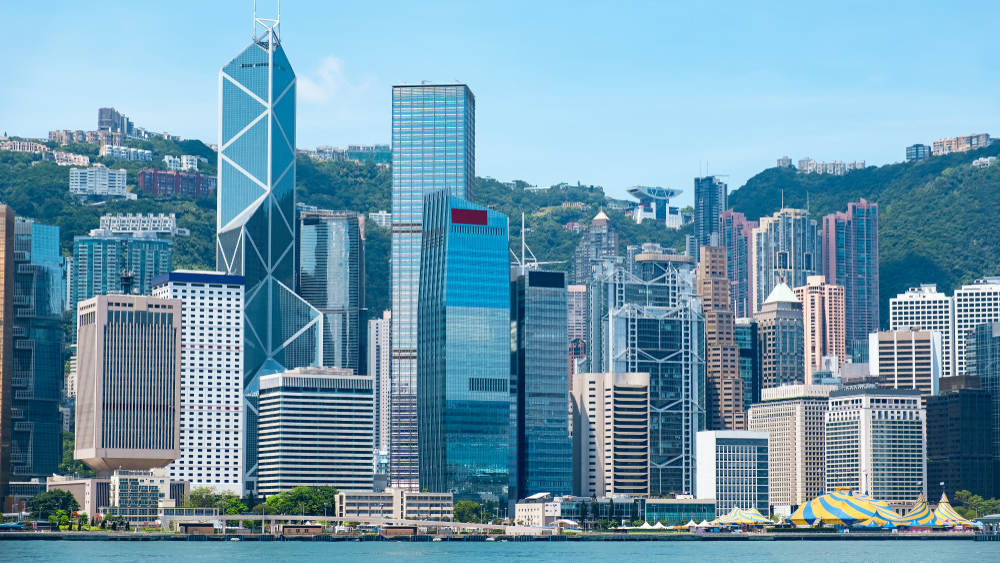
In more recent years, amid a sustainable investment boom, the hubs are competing for the coveted top spot again. Hong Kong, in particular, has mounted a serious bid.
NZI Climate Solutions Summit | 23 June | London | register here
The pearl of the orient has not only issued some $32bn in sovereign green bonds since 2019 but also boosted efforts to facilitate capital inflow into Asia’s energy transition.
Destination HK
Earlier this month, Hong Kong issued €750m eight-year, euro-denominated sovereign green bonds. Asia’s first of its kind in 2026. Alongside green debt, the Hong Kong Monetary Authority (HKMA) also issued infrastructure bonds in USD, HKD and RMB.Since 2019, Hong Kong has issued some $32bn in sovereign green bonds across a range of formats.
Investors from over 30 markets lodged orders far exceeding the ask. A subscription ratio of 8.6 for the combined offering stood as a testament of investor confidence. “Government green bonds support green and low-carbon transformation projects, as well as consolidate Hong Kong’s development as a green and sustainable finance hub”, commented HKMA financial secretary Paul Chen.
That consolidation has been years in the making. “Hong Kong’s sustainable finance market has grown significantly in the last few years, not just in terms of the sovereign green bond issuance, but also in the government’s efforts to strengthen sustainability disclosure practices and facilitate capital flows”, says Rose Choy, APAC research director at the Anthropocene Fixed Income Institute (AFII).
Finance hub
A new AFII research note that Choy authored sees Hong Kong emerging as a ‘gateway to Asia’s next growth phase’ – one characterised by decarbonisation.
Choy says Hong Kong’s emergence as a sustainable finance hub in that context has three drivers. One is familiarity. International issuers and investors have historically been drawn to it. Secondly, deep and mature equity markets play in its favour. Clean technology ETFs by European and American asset managers, for example, have found a home in Hong Kong.
Chinese clean tech
Perhaps the most significant driver of Hong Kong’s bid to attract sustainable investment flows has been the China factor. China’s clean tech behemoths are common clientele for Hong Kong’s capital markets. Chinese EV and solar power firms have a tendency to structure green loans through Hong Kong’s financial services providers.
“Much of the market has been driven by large bond, loan and equity raisings from Chinese and Hong Kong issuers in the last few years”, Choy notes.
“Hong Kong is a venue for China’s clean tech names to raise international capital. Most recently, CATL listed its H shares in HK in 2025 (US$5.3 bn), alongside other battery suppliers and “new energy” firms pursuing IPOs on the Hong Kong stock exchange”, she explains.
Transition finance
The timing of the latest issuance also holds clues about what might come next. It comes just months after the government launched a transition finance taxonomy.
“Hong Kong’s taxonomy is viewed as a robust and credible framework. Although HK has not announced any plans to issue transition bonds, it would be a natural candidate to issue them, and likely to draw strong interest from global investors”, says Choy.
The taxonomy plays into the increasing clout of transition finance in the west. It also marks the significant milestone in Hong Kong’s rise as a sustainable investment hub in Asia. A rise marked by multiple sovereign green debt offerings, deepening equity markets with notable investor appeal and a securities pool reflective of the world’s fastest deployer of clean energy.
Longview Networks: Institutional Investment Conferences and Summits