Germany to reserve 2% of land for wind farming
Government to accelerate programme to source 80% of electricity from renewables by 2030.
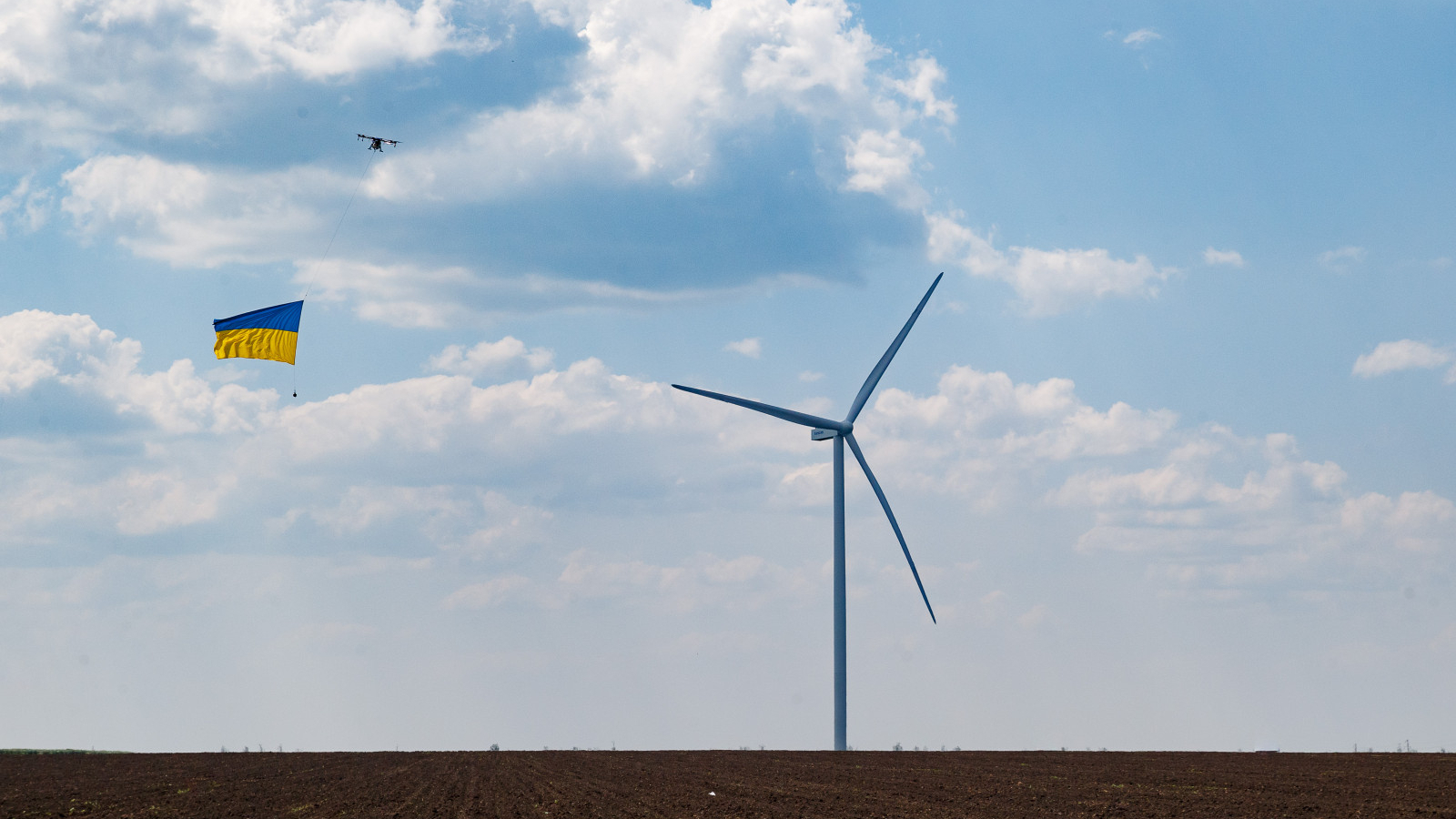
The German government is moving forward with a proposal to reserve 2% of its land for onshore wind farming, as Moscow’s war in Ukraine continues to hamper transition efforts.
Germany’s economy minister, Robert Habeck, confirmed on 15 June that the country would reopen its coal plants to hedge out Russian threats to shut off gas supplies this winter.
The nation has previously stated that in order to become carbon-neutral by 2040, it would need to source 80% of its electricity from renewables by 2030, up from 41.1% today.
As part of that effort, the government has confirmed it will have 100 GW of onshore wind power installed by the end of the decade, almost double its current 56 GW capacity.
Federal states must allocate between 1.8% and 2.2% of their land for turbines by the end of 2032. Habeck said: “It is up to the states to decide how to meet their area targets.”
He announced a slew of measures in April to speed up the expansion of its renewables programme.
Research from the German Wind Energy Association shows permits for onshore wind projects in Germany fell 14% in the first quarter of 2022, compared to the same period last year.
It is up to the states to decide how to meet their area targets.
Wind farm closures
Over the last three years, wind farms have closed across the country at an alarming rate, in part due to local opposition.
In particular, Germany’s ongoing energy transition programme Energiwende, of which wind is a key component, has been hampered in regions like Bavaria, one of its largest states.
German law states turbines standing 250m high must be built at least 2.5km from communities. The government is currently seeking to change the law to encourage construction.
“Nimbyism” is also bringing to a halt plans to build more turbines, with projects such as the A10 near Potsdam in North-eastern Germany being met with significant resistance by almost all nearby villages in 2020.
Progress has been hindered by animal welfare groups who say turbines are a threat to the bird of prey species, the Red Kite. This has led to significant environmentalist-conservationist tension.
It seems some progress is going ahead, with UK utility Octopus Energy Group revealing in June it planned to begin construction of its first onshore wind firm in Germany in the next few weeks.
It will aim for its newly acquired 35 MW farm at Gaishecke to be commissioned by the end of 2023. It is set to host ten of Vestas’ V126-3.45 MW turbines.