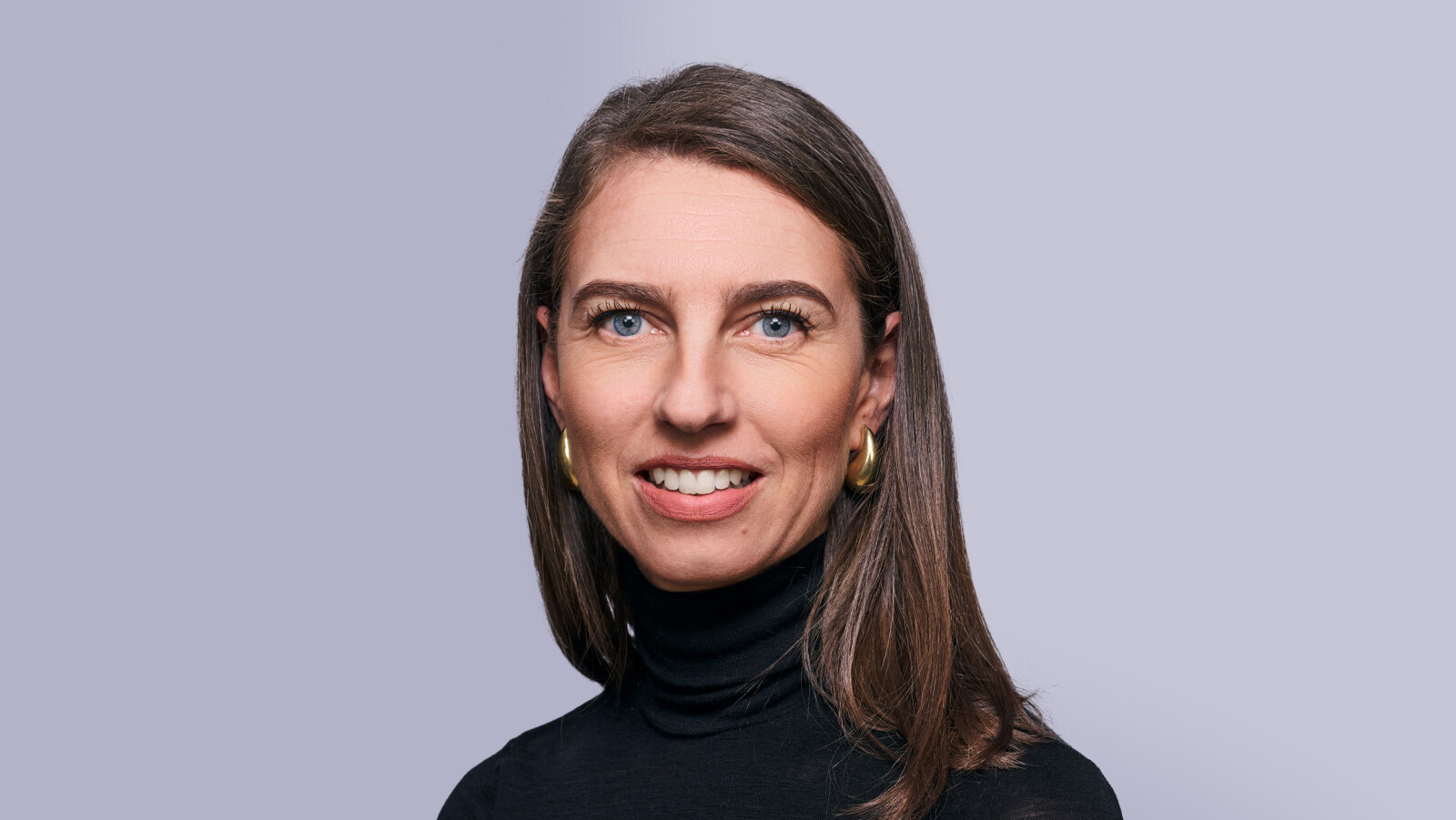
Zurich’s Danielle Brassel: “There is value in co-ordination”
Zurich’s head of responsible investment discusses different routes for climate-focused collaboration between the investment and the underwriting sides of the business
While the different parts of a large insurance company do not necessarily align on climate risk management, it isn’t inevitable.
Net Zero Investor asked Danielle Brassel, head of responsible investment at Zurich, about the kinds of collaborations that take place between Zurich’s investment managers and underwriters. She described two main points of connection: climate risk models and stewardship.
Zurich is a Switzerland-based multi-line insurer serving people and businesses in more than 200 countries and territories and has about 60,000 employees.
Stewardship
When Brassel joined Zurich seven years ago, one of her first tasks was to help develop a thermal coal exclusion list for the whole company.
“It makes sense to have one overarching view as to which companies we exclude,” she explained. “We wanted to make sure that if we declined to underwrite a company or insure them due to their thermal coal practices, then we would also exclude them from our investment portfolio.”
Zurich’s investee stewardship practices require understanding where a company is on its transition journey and asserting pressure accordingly. But when only a minority of investee companies respond to engagement-related e-mails, investors must seek other forms of leverage.
“We don’t hold large shares in companies, due to our diversification approach,” she explained. “In addition, we hold lots of bonds, which don’t give us voting rights at AGMs. That means there is no way to vote against the board and our main escalation lever is divestment.”
The possibility of a double “divestment” – no underwriting, and no investment – may carry more weight than a simple divestment.
Where appropriate and legally permissible, Zurich’s investment and underwriting teams coordinate engagement approaches. “If an investee company is also an underwriting client, then we’ll work with our underwriting colleagues to make sure we have the same understanding and speak with the same voice,” she said. “We like to align our views on a company, while still leaving final decisions with the relevant business.”
Zurich is also a member of Climate Action 100+ and other alliances whose aim is to counter fragmentation in stewardship practices and enable climate conscious investors to speak in a single voice.
Climate risk model
Building an inhouse climate risk model has provided much opportuntity for “co-operation” between the investment managment and underwriting teams at Zurich.
While the model and its underlying data are the same for both, investment managers and underwriters differ in how they apply the model, mostly due to the different way climate risks crystalise in an investment portfolio.
While Zurich’s insurance model looks at potential changes to insurance demand and losses with a specific time point in mind, investment management uses a discounted cash flow (DCF) valuation method that estimates the present value of an investment using its expected future cash flows. Zurich investment management may use estimated cash flows as far ahead as 2050 to help determine the attractiveness of an investment.
“Our approach to climate risk has shifted from using a third party model to developing our own,” Brasel said. “For our investments, we now use a top-down approach – for example, how climate risk impacts GDP and inflation and what this means for asset returns – whereas before we used a bottom-up approach that assessed individual company risk.”
The top-down approach helps Zurich understand the inherent climate risk in its investment portfolio “more cohesively across asset and liabilities”.
It also helps capture the risks associated with sovereign bonds. Like all institutional insurance investors, Zurich holds many sovereign bonds.
To calculate physical and transition risk, the model uses the Network for Greening Financial System (NGFS) scenarios as base scenarios.
Investments
While Zurich’s investment and underwriting teams work together on climate risk modelling and stewardship, there is no co-ordination on investment decisions.
“In the sustainability space, the easiest financial instrument for us is a green bond,” she said. “Green bonds have a proven investment structure that works in any currency and location. If an industrial issues a green bond to, say, finance green hydrogen, we could do it. But we’re unlikely to support emerging technology directly at the early stage.”
The green bonds in which Zurich invests usually involve proven technologies, such as wind or solar or energy efficiency tech. Even biodiversity investments are often perceived as too risky.
“It all comes down to our very traditional, risk-averse balance sheet,” she added.
The only exception to this rule is Zurich’s private equity portfolio, which has a growth fund but no venture capital fund.
Are insurers' climate risk models fit for purpose?
Revealed: the leaders and laggards on climate in the insurance sector