BP shareholders dismiss net zero push during messy AGM
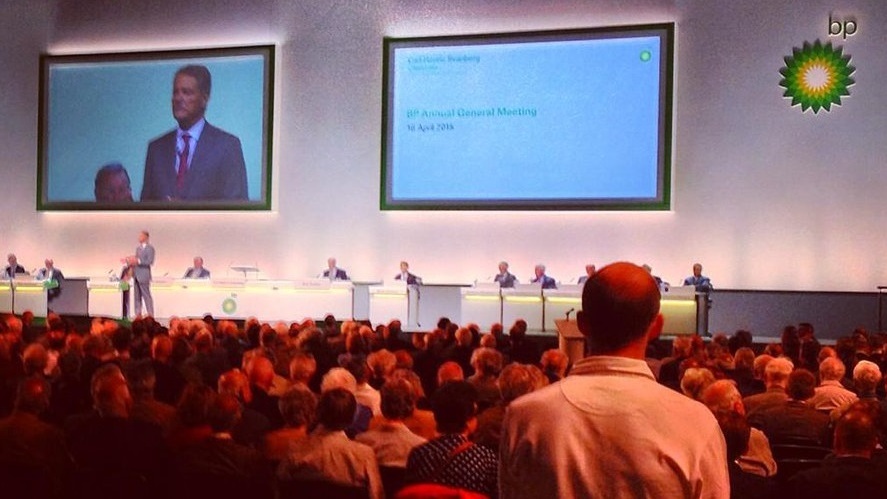
BP's board and shareholders faced a chaotic AGM yesterday. Despite the mess, a much-talked about net zero motion did not fly
The annual general meeting of oil and gas giant BP saw a much discussed resolution from activist shareholder group Follow This receive just under 17% of shareholder support following a provisional counting of votes.
The motion, filed jointly with institutional investor Degroof Petercam, called for BP to undertake Scope 3 emissions reduction to a point of Paris Alignment, claiming that the firm was currently failing to do so.
The resolution’s support was higher than when put forward in 2022 (with just 14.9% of support), but was below the 20.6% backing it received the year before that. As a special resolution, it would have required 75% support to become binding.
The Follow This resolution had received assurances of support from areas such as Nest, the UK’s largest pension provider, pension pool LGPS Central, the Universities Pension Scheme, the Brunel Pension Partnership, and Border to Coast.
However, it did not get support from other potential backers such as Norges, the Norwegian sovereign wealth fund, and the five pension funds mentioned only collectively held less than 1% of BP’s total shares.
BP chairman Helge Lund repeated the board’s recommendation that shareholders vote against the Follow This shareholder resolution, saying: “We share the Follow This desire for the world to meet the Paris Agreement goals. But we believe this resolution risks disrupting BP’s coherent and also integrated program of transformation.”
The pension funds had declared they were backing the Follow This resolution in response to BP’s February strategy update, in which emissions targets were shifted from a 35-40% reduction to a 20-30% reduction by 2030, a decision made without shareholder input and against pledges made in its ‘Say on Climate’ presentation, which had received 88.53% shareholder support in 2022.
The revised plans were not put to a vote at the 2023 AGM.
At the BP AGM, hosted online and in London, Matt Crossman, stewardship director at investment managers Rathbones, asked: “If 88% of shareholders approved a level of ambition last year, and management sought to change that level of ambition, then why aren't we voting on the revised plan here today?”
Responding, Lund said: “To be clear, our strategy is not changing. Our destination is unchanged. It remains to get to net zero by 2050 or sooner across our operations, production and sales, and importantly, our ambition to help the world get to net zero is also unchanged. During extensive engagement with investors, we have heard little appetite to date for a new resolution from BP, both before the strategy announcement in February and after.”
A chaotic start
Opening remarks from Lund and BP’s chief executive Bernard Looney received extensive disruption from environmentalist hecklers in the crowd, with BP company secretary Ben Mathews struggling to keep order and urging that those interrupting the speakers be removed by security.
Comments from the hecklers included:
“2050 is far too late, it’s just not good enough. You’ve known the science for 40 years, and right now people in third world countries are dying because of what you’ve done.”
“I’m thinking about my children’s, my grandchildren’s future. My grandchild will be 50 by 2050.” (someone in the audience appeared to retort “You’ll be dead by then.”)
“Do you like the natural world? It’s crazy. You will be held to account for your actions. You have refused to take the climate crisis seriously.”
“What the f*** is wrong with you. BP must fall.”
“You invented [the term] carbon footprint. Individuals are not responsible for the chaos you have caused.”
This is not the first AGM of BP’s to be disrupted by protestors and hecklers, with the 2019 AGM in Aberdeen disrupted by members of the audience calling the event “a crime scene”.
A question asked at the 2023 AGM related to gas flaring in Iraq from the Rumaila oilfields, co-managed by BP, with someone alleging pollution was extremely high in the area and it may have led to increased rates of cancer, contributing to the death of their son from leukaemia.
A BBC documentary from November last year covered the benzene entering the local environment from the Rumaila oilfields, a chemical known to increase rates of cancer.
Responding to the claims, Looney said: “I want to personally express my condolences for the loss of your son.
“The Rumaila operating organization is continuing to reduce flaring, in fact over the past, seven years flaring has been reduced by over 65% with 20% of that improvement coming in 2022. We are making progress, but progress must continue to be made and will continue to be made.”