The war in Iran is bolstering the case for renewables-led electrification
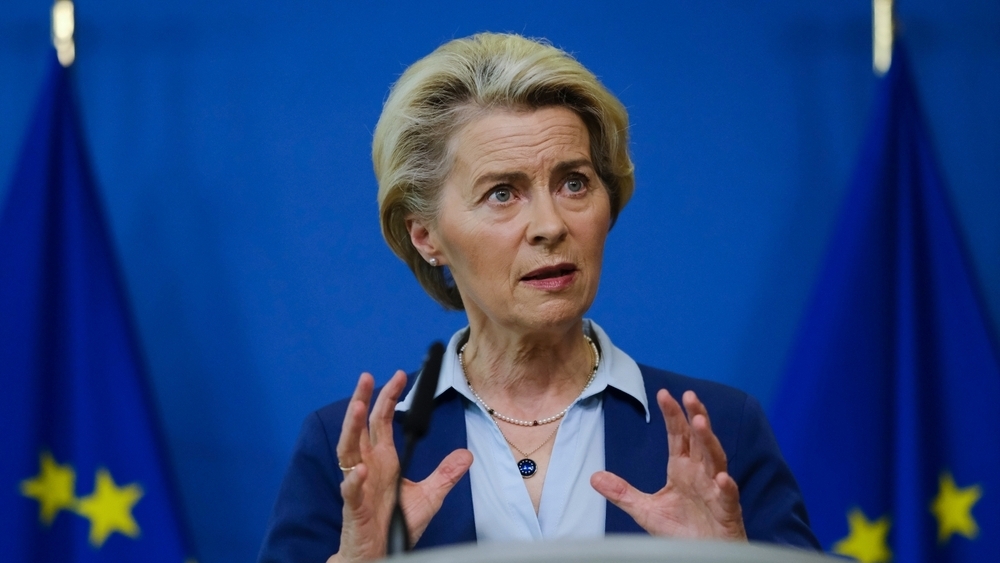
EC President Ursula von der Leyen has called for accelerating electrification amidst a deepening energy crisis, with European investors now identifying electrification as an opportunity to enhance resilience
“44 days, €22 bn – not a single molecule of energy in addition”, stressed European Commission President Ursula von der Leyen yesterday.
Following the EU’s discussion of the economic impact of the war in Iran, Von der Leyen raised concerns over Europe’s fossil fuel dependence and pushed for accelerating electrification in response.
With the energy crisis deepening across the world, calls to accelerate renewables-led electrification are gaining momentum.
NZI Transition Climate and Investment Forum |22 October 2026 | London | register here
Electrifying Europe
The crisis, Von der Leyen said, serves as a reminder of macroeconomic risks associated with fossil fuel dependence – a lesson Europe contended with in 2022 following the Russian invasion of Ukraine.
“This is the second fossil fuel crisis in just a few years. There is one thing that all these events are making clear: we are paying a very high price for our overdependency on fossil fuels”, she outlined.
Next week, an informal meeting of the European Council is scheduled in Cyprus. Von der Leyen’s statement presented the range of policy responses the EC will bring to the table.
Among them, is a renewed push for clean energy (including nuclear energy) and electrification. In Von der Leyen’s view, Europe’s portfolio of renewable and nuclear energy provides three clear benefits – independence, predictability and energy security.
“The only lasting way out of the fossil dependency is to modernise by shifting electricity generation to renewables and nuclear, and by electrifying the economy as rapidly as possible”, she notes.
Electrification, she says is lagging and a new target is expected before summer. “So, we will present our electrification strategy before the summer as well. This will include an ambitious new target on electrification”, she announced.
While encouraging member states to use public funds to invest in electrification, Von der Leyen also announced a new investment conference to mobilise private investment into grids, batteries and storage. Details of the conference were not included in the statement.
Shock protection
The claim that deeper decarbonisation could insulate Europea from energy shocks was echoed in a note authored by AXA group chief economist Gilles Moëc.
“The anti-decarbonisation backlash in Europe – largely influenced by the US political shift since last year – often portrays net zero strategies as harmful to European industrial competitiveness”, he writes.
Despite this, Moëc highlights that electrification and decarbonisation is in Europe’s long-term interest.
“Regardless of environmental considerations, decarbonisation would help insulate Europe from shocks and this would ultimately improve the region’s competitiveness”, he adds.
The note stresses the need for investment – both public and private – to support these goals.
The UK’s response to the crisis offers a reference point for Von der Leyen’s response and Moëc’s analysis. Data from Ember – a think tank – shows the country’s fleet of renewable energy assets has produced a degree of protection from rising gas prices since the start of the war.
Ember’s report finds savings of £7m per day, compared to the previous energy crisis. Since 2021, the country added nearly 55 GW in solar and wind capacity – in effect shielding itself from a scenario where gas prices could have increased by 52%.
“Britain is now better prepared than it was five years ago, having built 130 wind and solar farms since the last crisis”, explains Frankie Mayo, one of the report’s authors.
The call for electrification also has appeal in Asia – where the effects of the supply shocks from the Strait of Hormuz are being most acutely felt.
Speaking on a recent episode of the Net Zero Investor podcast, Ember energy strategist Kingsmill Bond outlined why the war in Iran could spark energy security-driven electrification in Asia.
“Putin’s invasion of Ukraine was a wake-up call for Europe”, he explained – citing Europe’s rollout of renewable energy since 2022. “This is Asia’s Ukraine moment”, he reckons.
Longview Networks: Institutional Investment Conferences and Summits